Blog

  • This TikTok ‘Invisible Basketball Game’ Clip Just Became The Internet’s New Favorite ‘Wait, How Did They All Commit To This?’ Sidewalk Fever Dream

    This TikTok ‘Invisible Basketball Game’ Clip Just Became The Internet’s New Favorite ‘Wait, How Did They All Commit To This?’ Sidewalk Fever Dream

    Your feed has probably been rough lately. Same recycled audio. Same fake surprise face. Same prank format with a different hoodie. So when the viral invisible basketball TikTok video showed up, people did what they always do when the internet finally serves something fresh. They stopped scrolling and sent it to everyone. The clip is exactly what it sounds like. A crowd on a sidewalk is fully locked into a dead-serious game of basketball with no ball at all. There are fake dribbles, dramatic passes, invisible rebounds, wild layups, and even a ref calling fouls like this is Game 7. That total commitment is the whole joke, and also the reason it works. It feels spontaneous, cheap to make, and weird enough to trigger the internet’s favorite reaction. Wait. How did they all agree to do this? That mystery is doing half the heavy lifting, and TikTok loves that kind of low-budget chaos.

    ⚡ In a Hurry? Key Takeaways

    • The viral invisible basketball TikTok video took off because a whole group committed completely to a ridiculous idea, which made it feel both real and absurd.
    • If you want to copy the formula, keep the setup simple, use strong group acting, and film it like a casual bystander caught something strange in public.
    • You do not need expensive gear or edits for this kind of hit, but you do need clear coordination and a safe public setup that does not bother bystanders.

    What actually happens in the clip?

    Pretty much a full street game. Except there is no basketball.

    That is the entire bit, and it is stronger than it has any right to be.

    In the viral invisible basketball TikTok video, the people involved do not wink at the camera or break character. That is the secret sauce. One player appears to drive to the hoop. Another boxes out for a rebound that does not exist. Someone contests a shot that only lives in everyone’s imagination. Then the ref steps in and makes it even better by calling fouls on thin air like this is an official sporting event.

    If one person laughs too early, the illusion dies. If everyone treats nonsense like sacred truth, the joke gets funnier with every second.

    Why this weird little sidewalk bit blew up

    People are hungry for clips that feel new, even if the idea itself is simple.

    It is instantly understandable

    You do not need lore. You do not need context. You do not need to know a creator’s backstory. You see people playing basketball with no ball, and your brain catches up in half a second.

    It rewards rewatching

    The first watch gets you with the main joke. The second watch is for the details. Who is acting hardest? Who sold the rebound best? When did the ref enter the scene? That kind of layered chaos is catnip for TikTok.

    It looks accidental, even if it probably was not

    One big reason the viral invisible basketball TikTok video works is the street POV style. It feels like a random passerby stumbled into a mass hallucination. Whether it was tightly planned or loosely staged almost does not matter. The camera angle sells the fantasy that this just happened in the wild.

    It turns commitment into comedy

    This is the oldest and most reliable internet trick around. The funnier the premise, the more seriously everyone has to treat it. That gap is where the laughs live.

    Why TikTok especially loves this format right now

    TikTok tends to reward videos that make people comment the same thing in slightly different words.

    This clip nails that.

    People rush to say, “How did they all agree to this?” or “Why is the ref the funniest part?” or “I would have joined by accident.” That flood of reaction comments tells the app the video is doing its job. It is not just being watched. It is being shared, debated, quoted, and re-enacted in comment sections.

    It also fits the current mood online. Big-budget polish can still win, sure. But a lot of people are clearly tired of content that feels overplanned, overlit, and optimized within an inch of its life. This kind of messy public absurdity feels human again.

    What smaller creators should learn from it

    This is the part worth paying attention to if you make videos or even just like studying what spreads.

    You do not need a budget. You need a bit.

    No special effects are carrying this clip. No expensive props either. The “product,” if you want to call it that, is the shared joke.

    Group coordination matters more than camera quality

    A phone camera is fine. Shaky footage can even help. But every person in the frame has to understand the assignment. Hesitation kills this style fast.

    The best public bits have one-sentence premises

    Try this test. Can you explain the video in one line? “A bunch of strangers play basketball with no ball.” Done. If your idea takes a paragraph to explain, it may be too complicated for a quick-scroll app.

    Leave room for viewers to participate

    Part of the reason this works is that viewers mentally jump in. They imagine the invisible ball. They start picking favorites. They fill in the rules. The audience is not passive. They are co-creating the joke in their head.

    If you wanted to make your own version, here is the template

    You do not need to copy invisible basketball exactly. Please do not be the 900th clone by tomorrow afternoon.

    But you can use the format.

    Step 1: Pick an ordinary activity

    Sports work well. So do lineups, ceremonies, arguments, talent shows, or public announcements.

    Step 2: Remove the key object or logic

    No ball. No microphone. No music. No product. No reason. The gap between what should be there and what is missing creates the joke.

    Step 3: Make everyone commit fully

    This is not the place for half-energy performance. Every extra person should make the scene feel more believable and more ridiculous at the same time.

    Step 4: Film from the “I just saw this” angle

    A too-perfect setup can make the whole thing feel like a sketch. The magic here is that it looks caught, not presented.

    Step 5: Keep it short

    You want the viewer to get the joke fast and then stay for the little details. Drag it out and the spell breaks.

    One important note about doing public crowd bits

    Be smart.

    If you try something inspired by the viral invisible basketball TikTok video, pick a spot where you are not blocking people, creating safety issues, or getting in the way of businesses. The best version of this kind of content looks chaotic without actually causing chaos.

    That matters more now because public stunts spread fast, and not always for good reasons. A funny idea can turn annoying real quick if bystanders become unwilling extras in your content.

    So was it “real” or staged?

    Probably staged in the sense that people had to organize it. But that is not the same thing as fake.

    Online, people often ask that question like there are only two options. Either it happened naturally, or it is worthless. That is not how comedy works. Street theater, improv, flash mobs, and public performance have always been built around planned nonsense presented in everyday spaces.

    The better question is whether it was funny enough to earn the attention. In this case, yes.

    Why this clip feels bigger than one joke

    Because for one day, everyone gets to share the same tiny piece of internet absurdity.

    That is the real value of videos like this. They break the monotony of algorithm sludge. They give the group chat something alive to talk about. They remind people that not every viral hit needs expensive editing, rage bait, or fake drama. Sometimes all it takes is a sidewalk, a committed cast, and a completely imaginary basketball.

    At a Glance: Comparison

    Feature/Aspect Details Verdict
    Hook A full game of basketball played with no actual ball, visible from a casual street perspective. Instantly clickable and easy to share.
    Why it went viral Simple premise, full-group commitment, strong rewatch value, and comment-friendly confusion. Exactly the kind of weird that TikTok rewards.
    Creator takeaway Low-cost concept, no special gear needed, but performance and coordination have to be tight. Great template for small creators if done safely and originally.

    Conclusion

    Everyone is tired of feeling three scrolls behind the culture, and this is exactly the kind of clip that fixes that for a minute. A perfectly timed street POV of a full crowd playing an intensely serious game of invisible basketball, complete with fake layups, imaginary rebounds and a ref calling fouls on thin air, is the sort of shared internet fever dream people actually want right now. It gives you something worth sending to the group chat. It shows why low-budget, high-commitment chaos is beating polished sameness this week. And if you are a smaller creator, it is a useful reminder that originality still counts. You do not need a studio. You need a clear bit, a few friends who can keep a straight face, and a strange enough idea that people have to ask, “Wait, what am I looking at?” That question is still one of the internet’s most powerful engines.

  • This TikTok ‘AI NPC Livestream Meltdown’ Clip Just Became The Internet’s New Favorite ‘Wait, Are We The Robots Now?’ Identity Crisis

    This TikTok ‘AI NPC Livestream Meltdown’ Clip Just Became The Internet’s New Favorite ‘Wait, Are We The Robots Now?’ Identity Crisis

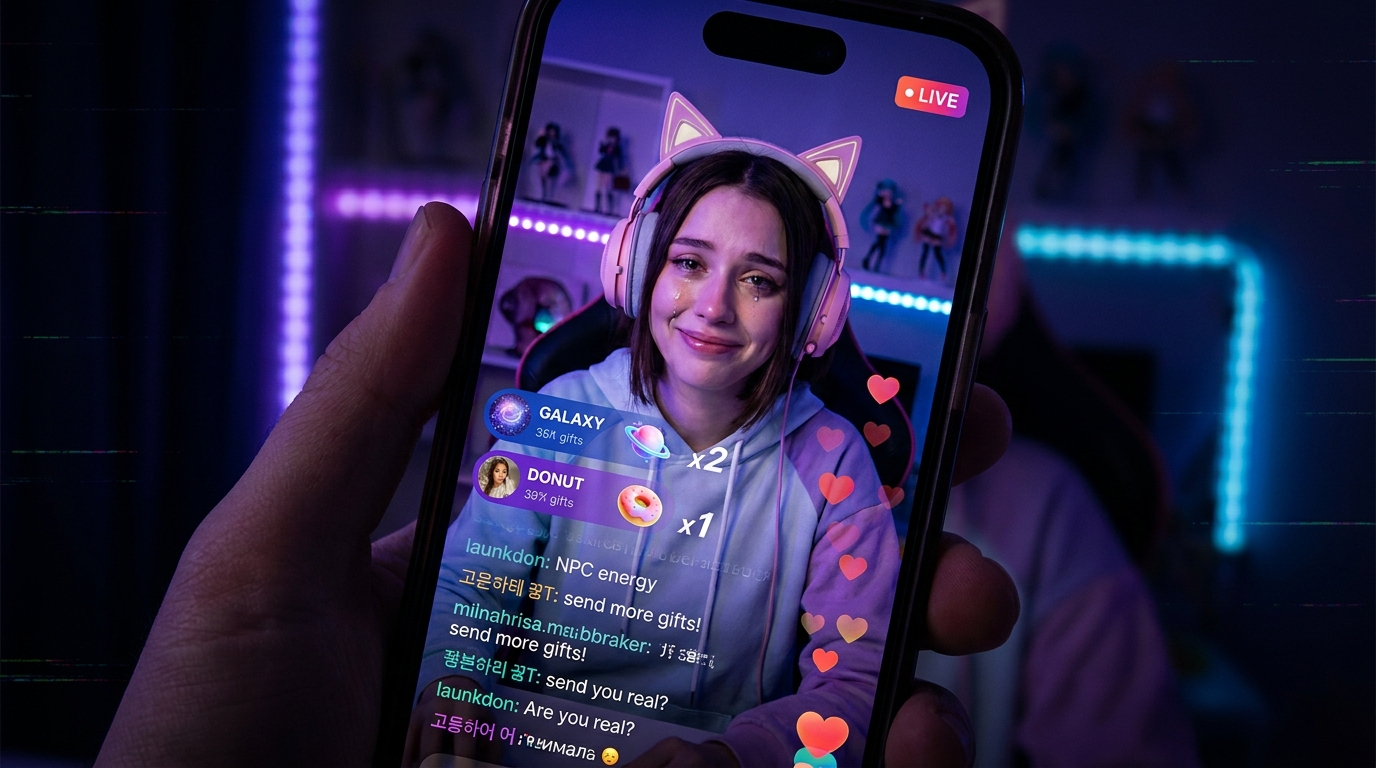
    You were trying to switch your brain off for two minutes, and TikTok handed you an existential crisis instead. One minute it is a creator doing that now-famous NPC live routine, repeating the same phrases for gifts with perfect, eerie timing. The next, a clip spreads where her face seems to drop out of character for a second, and suddenly everybody online is arguing about the same thing. Was it a real breakdown, a smart bit, burnout on camera, or the most honest moment the app has produced in months? That is why the viral npc tiktok livestream meltdown is everywhere. It is not just because the clip is weird. It is because it pokes at a bigger fear a lot of people already have. If online creators start acting like game characters because the algorithm pays better that way, who is performing for whom? And when someone slips, is that the human finally showing up, or just better content?

    ⚡ In a Hurry? Key Takeaways

    • The clip blew up because it feels like a rare break in a highly repetitive, money-driven performance format.
    • If your feed is overloaded, search for the original context before sharing hot takes. Short clips often remove what happened right before and after.
    • The bigger issue is not just one streamer. It is how platforms reward creators for acting less human in order to hold attention and earn gifts.

    What actually happened in the viral clip?

    The basic setup is simple. A creator is on TikTok Live doing NPC roleplay. Viewers send virtual gifts. Each gift triggers a canned reaction, catchphrase, facial expression, or looped movement. Think of it like live improv crossed with a slot machine.

    Then came the clip people cannot stop reposting. In it, the creator appears to falter. Maybe the smile drops. Maybe the eyes look tired. Maybe the timing slips for a beat. That tiny crack is what made the video travel far beyond people who normally watch TikTok Lives.

    Most viral versions are short, clipped, and stripped of context. That matters. A pause can mean exhaustion, irritation, technical lag, or simply a performer switching gears. But once the internet senses a “mask off” moment, it runs with it.

    Why this one spread so fast

    It feels like proof of something people already suspect

    A lot of people already feel the modern internet is getting weirdly robotic. Not just with actual AI, but with humans flattening themselves into repeatable content machines. This clip seemed to confirm that fear in one glance.

    It turns a niche format into a mainstream debate

    NPC livestreams were already popular, but mostly understood by people deep in TikTok culture. The meltdown clip gave everyone else a way in. You did not need to know the rules. You just had to watch someone look like they briefly could not do it anymore.

    It is perfect argument bait

    These are the most shareable videos on the internet. One side sees art or hustle. Another sees exploitation. Another sees a joke that got too real. Everyone can project their own fear onto it, which is exactly how something becomes impossible to escape on your For You Page.

    Is it performance, exploitation, or the future of entertainment?

    Annoying answer, but honest one. It can be all three at once.

    Yes, it is performance

    NPC streaming is not random. It is a learned format with rhythm, audience cues, and monetization tricks. Good performers know how to keep repetition hypnotic without losing control of the room. That takes effort, timing, and stamina.

    Yes, it can slide into exploitation

    The platform rewards repetition because repetition keeps viewers watching and gifting. The creator may be choosing to do it, but that does not mean the system is neutral. If acting less human pays better than acting human, the pressure is obvious.

    And yes, it probably is part of the future

    Not because everyone wants to become an NPC, but because internet entertainment keeps moving toward formats that are easy to repeat, easy to clip, and easy to monetize in tiny bursts. Livestreaming already blurs gaming, theatre, sales, improv, and customer service. NPC content pushes that mix to an extreme.

    Why the “snap” matters so much

    People are reacting to the break in character because it feels more real than most polished content online. That is the heart of this story. We are drowning in over-produced clips, brand-safe smiles, and creators who have learned exactly how to sound natural on command.

    So when someone appears to crack for half a second, it lands hard. It feels like the human pushing back against the format. Whether that moment was fully genuine or not, viewers read it as truth. That tells you a lot about how hungry people are for something unscripted.

    Why your feed is now full of copycats

    Because platforms copy success at light speed. The moment one format proves it can hold attention and generate gifts, clones appear. Some are sincere. Some are mocking the trend. Some are trying to cash in before the audience gets bored.

    This is also why the viral npc tiktok livestream meltdown became bigger than the original stream. The internet no longer just watches a moment. It remixes it, debates it, monetizes it, and turns it into a thousand mini-industries by lunchtime.

    What this says about AI, even when no AI is involved

    This is the part people are really circling around. The creator in the clip is human. But the format looks machine-like. Repetition. trigger-response behavior. fixed phrases. endless loops. It resembles AI because so much online content is now shaped to mimic machine efficiency.

    That is the uneasy feeling behind the jokes. We keep asking whether the bots are getting more human. Meanwhile, humans are learning to act more like bots because the apps reward it.

    How to watch clips like this without getting fooled

    Check whether you are seeing the full stream or a cropped moment

    Ten seconds can create a whole false narrative. Always look for longer versions or at least a few different uploads.

    Separate the format from the person

    You can dislike the NPC trend without treating the creator like a symbol for everything wrong with the internet. Sometimes a person is just doing a job that the platform happens to reward.

    Ask who benefits from your outrage

    Usually, the app does. Rage, concern, confusion, and mockery all count as engagement. If a clip makes you feel weird enough to watch five more versions, the system has already won.

    So, are we the robots now?

    Not exactly. But we are living in a system that nudges real people toward robotic behavior because it is profitable, trackable, and easy to repeat. That is what makes this clip stick in your head. It is less about one streamer and more about the shape of online life.

    The creator repeats a line. The audience sends a trigger. The app boosts what works. Then everybody copies it. That loop is not artificial intelligence. It is platform logic wearing a human face.

    At a Glance: Comparison

    Feature/Aspect Details Verdict
    Why it went viral A tiny break in a repetitive livestream format felt shockingly human and easy to debate. Bigger than the clip itself
    What the clip means It can be read as performance art, creator burnout, algorithm pressure, or all three at once. Context matters
    What it says about the internet Platforms reward repeatable, machine-like behavior, even when real humans are doing the work. Worth paying attention to

    Conclusion

    The reason this clip hit so hard is simple. It gave people a name and a face for a feeling they already had. The live internet is getting stranger, more repetitive, and more optimized, and one brief wobble in an NPC stream suddenly made that impossible to ignore. That is useful. It gives people a shared reference point for talking about AI, burnout, authenticity, and platform pressure without needing to spend all day sorting through recycled takes. If nothing else, the viral npc tiktok livestream meltdown is a reminder to look past the joke and ask a better question. Not “why would someone do this?” but “what kind of internet keeps rewarding it?”

  • This Baby Pygmy Hippo Zoo Clip Just Became The Internet’s New Favorite ‘I Need To Protect Her At All Costs’ Obsession

    This Baby Pygmy Hippo Zoo Clip Just Became The Internet’s New Favorite ‘I Need To Protect Her At All Costs’ Obsession

    You know the feeling. You swipe past clip after clip that promises to be “the internet’s favorite thing,” and most of it lands with a shrug. Then one tiny animal shows up, crunches a carrot, wobbles into frame like she has never met gravity before, and suddenly the whole feed feels less annoying. That is basically what happened with the Moo Deng pygmy hippo viral video. Moo Deng, a two-month-old pygmy hippo at a zoo in Chon Buri, Thailand, has blown up across TikTok and Instagram because she is absurdly cute in a way that feels almost unfair. In the clips, she toddles around, cuddles up to her mom, and occasionally face-plants into food like a sleepy toddler at a birthday party. It is wholesome, yes. But it also matters more than you might think, because Moo Deng’s fame is putting a spotlight on a species with only about 2,000 to 2,500 left in the wild.

    ⚡ In a Hurry? Key Takeaways

    • The Moo Deng pygmy hippo viral video is worth your time because it is genuinely charming and tied to a bigger conservation story.
    • If you enjoy the clips, take one extra step and read about pygmy hippos or support credible wildlife conservation work.
    • Viral animal fame can help endangered species, but real-world crowds and hype also need careful handling so the animals stay protected.

    Why this baby hippo clip is hitting so hard

    Some viral videos spread because people are arguing. Some spread because they are bizarre. Moo Deng’s clips are different. They work because they trigger that instant, very human reaction of wanting to keep something small and precious safe.

    That “I need to protect her at all costs” feeling is not random. Moo Deng looks like a cartoon sketch that somehow came to life. She is tiny, round, curious, a little clumsy, and fully unaware that millions of strangers are now emotionally invested in her snack schedule.

    And to be honest, that kind of harmless joy is rare online. People are tired. Timelines are noisy. So when a baby pygmy hippo appears and does almost nothing except exist adorably, it cuts through the usual junk fast.

    What happened with Moo Deng

    Moo Deng lives at a zoo in Chon Buri, Thailand. Her handlers started posting short vertical videos of her daily life. Not a polished documentary. Not a big marketing push. Just simple clips of a baby hippo being a baby hippo.

    That was enough.

    Millions of views followed on TikTok and Instagram. Then the online attention spilled into real life. People reportedly started driving hours just to see her in person. That is when a cute animal story becomes something bigger than a meme.

    Why these clips spread so fast

    The format is part of the magic. Short, phone-friendly videos make animals feel close. You are not watching some distant nature special with dramatic voice-over music. You are getting little slices of personality.

    Moo Deng crunching carrots. Moo Deng snuggling her mom. Moo Deng wobbling around like her legs are still being introduced to each other. It feels immediate and real, which is exactly what social platforms reward.

    Why the Moo Deng pygmy hippo viral video actually matters

    This is the part where the story gets more important than “aw, cute baby animal.” Pygmy hippos are endangered. Estimates often put the wild population at around 2,000 to 2,500 animals left.

    That means Moo Deng is not just internet-famous. She is now a very effective ambassador for a species most people probably never thought about this week, or ever.

    That is the weird power of viral animal content. It can do two things at once. First, it gives people a quick dose of joy. Second, it can push a little awareness into the mainstream without making it feel like homework.

    Wholesome content can change behavior

    When an animal goes viral, people start searching. They learn where the species lives, why it is at risk, and what threatens it. That can lead to more donations, more media coverage, and more pressure on zoos and wildlife groups to explain how they are caring for animals.

    Not every viral moment leads to lasting change, of course. The internet moves on fast. But attention still has value. If even a small part of Moo Deng’s audience walks away knowing pygmy hippos are endangered, that is more than most posts ever accomplish.

    The awkward part nobody should ignore

    There is always a catch with viral animal fame. Huge attention can bring huge crowds. Crowds bring stress, noise, and pressure on staff. And when people get attached to an animal, they sometimes forget the animal is not there to perform on demand.

    That is why the best version of this story is not just “look at the cute baby hippo.” It is “look at the cute baby hippo, and also think about what responsible care looks like when the internet shows up.”

    What responsible fandom looks like

    If you are sharing the Moo Deng pygmy hippo viral video, great. Enjoy it. Laugh at the carrot crunching. Send it to someone who needs a better day.

    But it also helps to keep a few common-sense things in mind.

    • Do not encourage bad zoo behavior just to get a photo or video.
    • Do not treat a wild species like a plush toy with legs.
    • Do support conservation groups or educational sources if the clips made you care.
    • Do remember that the goal is a healthy animal, not endless content.

    Why people are calling her the internet’s new obsession

    Because she checks every box. She is rare. She is baby-sized. She is unintentionally funny. She feels gentle and vulnerable. And she showed up at the exact moment people were hungry for something soft and uncomplicated.

    That last part matters. A lot of viral content asks you to react with outrage, suspicion, or exhaustion. Moo Deng asks almost nothing from you except maybe 20 seconds of your attention and a brief smile.

    That is a better deal than most of the internet offers.

    Should you watch it?

    Yes. This is one of those rare cases where the hype more or less matches the clip.

    If you have been burned out by forced virality, the Moo Deng pygmy hippo viral video is a nice reset. It is cute in a real way, not a manufactured way. More importantly, it opens the door to a bigger conversation about endangered animals and what happens when online fame lands on a living creature.

    At a Glance: Comparison

    Feature/Aspect Details Verdict
    Cuteness factor Tiny size, wobbly movement, carrot crunching, cuddles with mom Absolutely lives up to the hype
    Why it went viral Short vertical clips feel personal, funny, and easy to share A perfect social media storm, in a good way
    Bigger meaning Draws attention to an endangered species with only about 2,000 to 2,500 left in the wild More than a meme if people stay curious after the scroll

    Conclusion

    Moo Deng is not just another passing animal clip clogging your feed. She is a two-month-old pygmy hippo in Chon Buri, Thailand whose tiny, carrot-munching, wobbling little videos have pulled in millions of views and inspired real crowds to show up and see her for themselves. That alone would make for a sweet internet story. But the bigger value is what comes next. Her sudden fame has turned an endangered species, one with only about 2,000 to 2,500 left in the wild, into something people are actually stopping to notice. So yes, enjoy the serotonin hit. Send the clip to a friend. Smile at the snack pile face-plant. Just do not let the thought end there. The best outcome from the Moo Deng pygmy hippo viral video is not only that people adored her for a week. It is that some of them cared enough to keep thinking after the meme cycle moved on.

  • This John Harbaugh ‘New York Giants Intro’ Clip Just Became The Internet’s New Favorite Second‑Hand Cringe Spiral

    This John Harbaugh ‘New York Giants Intro’ Clip Just Became The Internet’s New Favorite Second‑Hand Cringe Spiral

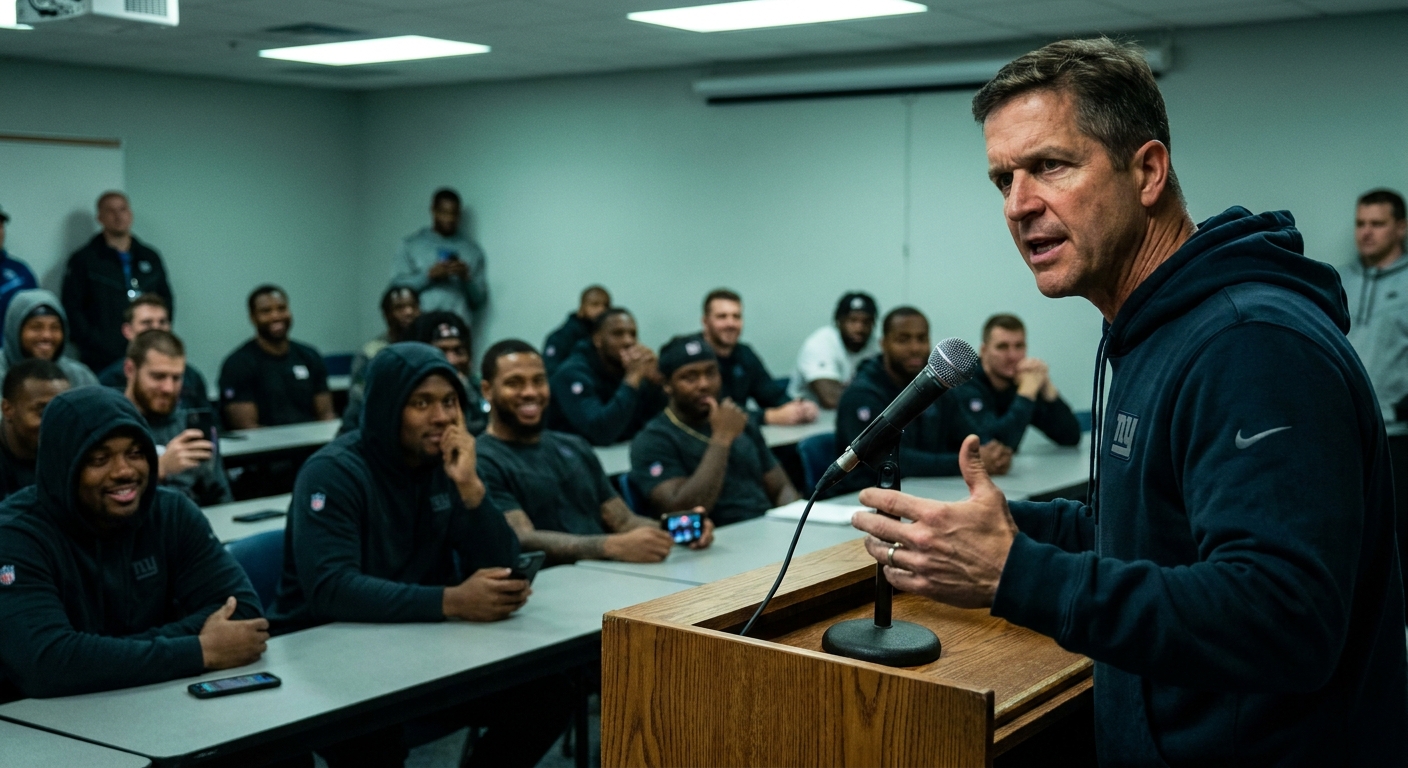
    You know the feeling. You open X for one harmless scroll, and suddenly the whole app is acting like one awkward football meeting clip is the funniest thing ever posted. That is exactly what happened with the John Harbaugh Giants viral team meeting speech full video. The problem is that most people are not reacting to the full moment. They are reacting to cropped reposts, weird captions, and four seconds of second-hand embarrassment passed around like a group chat meme. So yes, the clip is awkward. But no, it is not quite the all-time disaster some timelines are selling. The fuller context makes it look less like a collapse and more like a very stiff, very corporate-style attempt at motivation that landed strangely on camera. If you just want the clean version, the fan reaction, and an honest read on whether this was legendary or painfully forced, here is the no-nonsense breakdown.

    ⚡ In a Hurry? Key Takeaways

    • The clip is real, but the internet is mostly reacting to chopped snippets that make it feel worse than the full room did.
    • If you want context, look for the longest unedited version of the meeting clip before deciding whether it was inspiring or painfully forced.
    • This is a classic pile-on moment. Funny, yes. Proof of anything major about the Giants, not really.

    What actually happened in the clip

    The viral moment comes from a Giants team meeting where John Harbaugh is addressing the room in what seems to be a motivational, high-energy intro. On social media, the clip has been framed as everything from “cinema” to “the worst meeting anyone has ever survived.”

    The reason people are spiraling over it is simple. The tone feels off. Harbaugh comes in with the kind of intensity that can work great inside a football building, but on a cold internet replay, it can read like a regional sales kickoff at 8:03 a.m.

    That gap matters. Sports speech in the room is not the same thing as sports speech on your phone with a mocking caption and clown music added.

    Why the internet latched onto it so fast

    There are three reasons this took off.

    1. It has instant second-hand embarrassment energy

    You do not need to know football to understand the vibe. The body language, the delivery, the room reaction, it all creates that “please let this end” feeling people love to meme.

    2. The Giants are an easy target

    Fair or not, when a team has been frustrating fans, almost any awkward team content gets treated like evidence of a larger problem. If this exact clip came from a team on a hot streak, the reaction might have been completely different.

    3. Short reposts always hit harder than full context

    A cropped clip removes setup, removes room tone, and removes whatever happened before and after. That is how a mildly awkward speech turns into a full-on internet event.

    Is the full video actually that bad?

    Honestly, not as bad as the memes make it sound.

    The full context does not magically turn it into a masterpiece. It is still a little stiff. It still has that overly formal “trying to light a fire under the room” feel that can make viewers squirm. But the uncut version usually softens the reaction because you can see this was a specific in-room football moment, not some random meltdown.

    That is the key difference. In the full clip, it feels like a coach trying to set a tone. In the meme edits, it feels like a man losing a hostage negotiation with a conference room.

    Where to find the cleanest version

    If you are searching for the John Harbaugh Giants viral team meeting speech full video, skip the quote-tweets first. They are usually the worst source because they trim the clip to the most awkward beat.

    Your best bet is:

    • The original sports account or show that first posted the meeting footage
    • A full upload from a verified team, network, or league-adjacent account
    • A longer repost on YouTube or X that includes the lead-in and room reaction

    If the clip starts in the middle of a sentence, it is probably not the version you want.

    The most honest read: motivation or office-meeting cringe?

    Both. That is why people cannot stop arguing about it.

    If you are generous, it is a coach being intense, direct, and serious in a setting where intensity is normal. Football is full of speeches that sound ridiculous outside the building but make sense inside it.

    If you are less generous, it is exactly the kind of forced motivation that makes people stare at the floor and pretend to check their notes.

    The internet loves moments that live in that blurry middle. Too sincere to ignore. Too awkward to defend cleanly.

    What fans are saying

    The reactions have split into a few camps.

    The “this is hilarious” camp

    These people see pure cringe. To them, the clip is an all-timer because it feels less like a football speech and more like a manager trying to save morale after a rough quarter.

    The “you had to be there” camp

    These fans think social media stripped out the context and overdid the mockery. Their argument is that team meetings are supposed to be a little intense and a little weird when viewed from the outside.

    The “this says everything about the Giants” camp

    This group is using the clip as a symbol. Not because the speech itself changes anything, but because the Giants already come with enough baggage that any awkward moment gets turned into a referendum.

    Should Giants fans be worried?

    Not because of this clip alone.

    Awkward video does not equal broken locker room. It also does not mean the speech worked. It means a private-ish motivational tone got thrown into the public meme machine, where subtlety goes to die.

    If you are a Giants fan, this is more annoying than alarming. You now have to spend a week watching everyone pretend this one clip explains the whole franchise.

    How to tell when a viral sports clip is being oversold

    This one is a good example of the checklist.

    • If every repost uses the same four seconds, the full context probably changes the feel.
    • If the joke captions are doing most of the work, the source clip may be milder than the discourse suggests.
    • If people are reacting without linking the original, you are looking at a pile-on, not a clean read.

    That does not mean the internet is wrong for laughing. It just means you should know what exactly you are laughing at.

    At a Glance: Comparison

    Feature/Aspect Details Verdict
    Short viral clip Usually trimmed to the most awkward line or reaction shot Funniest version, but not the fairest
    Full meeting context Shows the setup, pacing, and how the room actually responded Less brutal, still awkward
    Overall takeaway A sincere football speech turned into meme bait by repost culture Worth seeing once, not worth overreacting to

    Conclusion

    The big thing to remember is that this clip became a cultural event before most people even saw the full version. That is why it feels bigger than it is. Right now the Harbaugh Giants speech is one of those moments you are expected to have a take on, even if your only exposure was a four-second repost sliding past on your timeline. The useful move is to watch the cleanest source you can find, laugh if it hits you that way, and keep a little perspective. By pulling together the context, the sharpest fan reactions, and the most honest middle-ground read on whether this was motivation or pure office-meeting energy, you can get caught up without wasting half your night on junk reuploads. It keeps Giants fans and casual onlookers in the loop, and gives everyone one neutral place to decide for themselves whether this was iconic, awkward, or a little of both.

  • This TikTok ‘Human Farm Documentary’ Clip Just Became The Internet’s New Favorite ‘How Did This Get 10 Million Views?’ Fever Dream

    This TikTok ‘Human Farm Documentary’ Clip Just Became The Internet’s New Favorite ‘How Did This Get 10 Million Views?’ Fever Dream

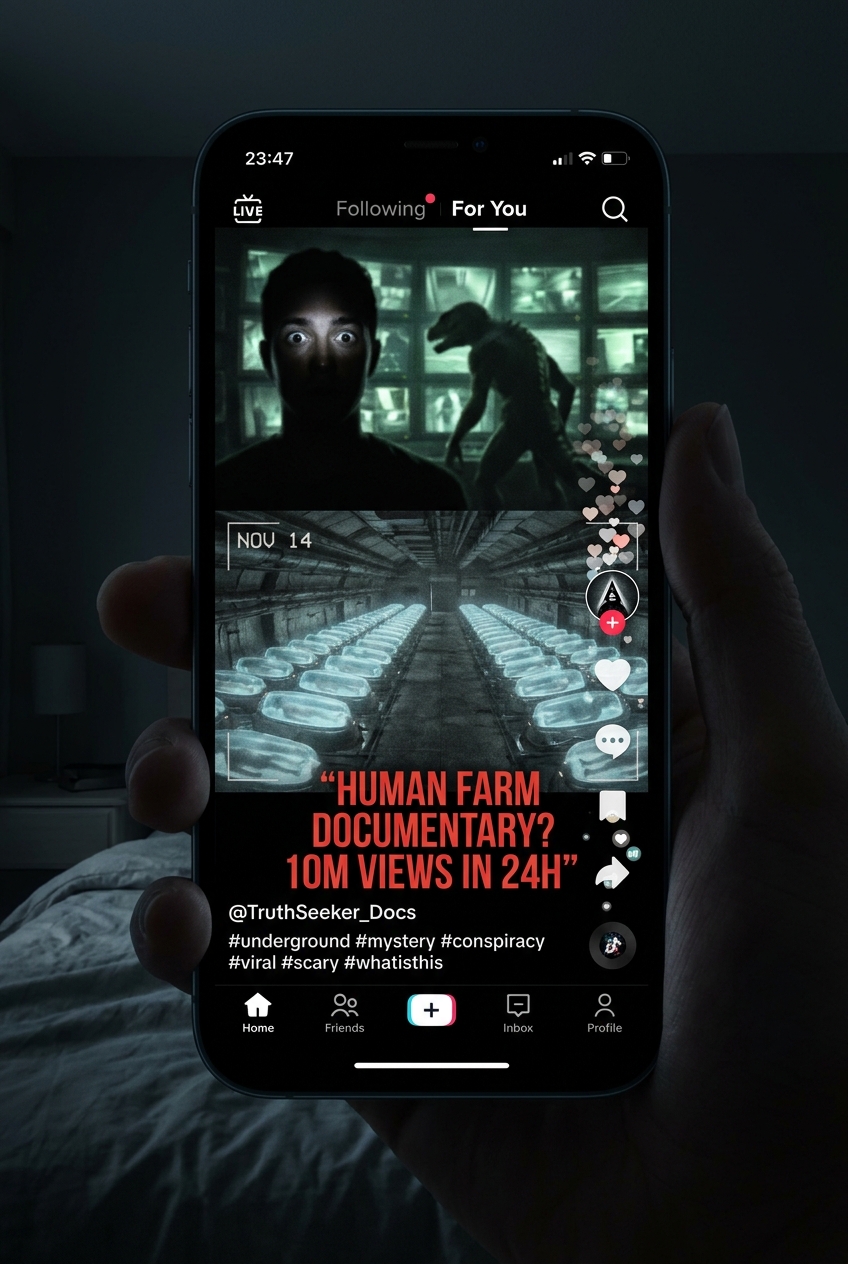
    You are not weird for getting stuck on this TikTok clip. Most of us have trained ourselves to ignore creepy AI slideshows, fake documentaries and doomy voiceovers by now. Then one sneaks through anyway. The so-called human farm documentary TikTok viral video did exactly that. It mashed together underground bunkers, reptilian conspiracy talk, grainy surveillance-style footage and dead-serious narration, then somehow piled up millions of views. That leaves a very normal question rattling around in your head. Is anyone actually believing this stuff, or is the internet just rewarding whatever feels most disturbing? The short answer is that this kind of clip does not need to be true to spread. It just needs to be sticky. TikTok is very good at finding videos that trigger shock, disgust, curiosity and argument all at once. This one hit all four. Once you see how it works, it gets a lot less mysterious, and a lot less powerful.

    ⚡ In a Hurry? Key Takeaways

    • The human farm documentary TikTok viral video blew up because it mixes horror-movie visuals, conspiracy language and comment-farming tricks, not because it is credible.
    • If a clip feels urgent, outrageous and weirdly polished, pause and check for recycled footage, AI narration, missing sources and bait-style captions before sharing it.
    • The real risk is not just believing one fake documentary. It is training your feed to send you more panic-bait and low-grade misinformation.

    Why this one got under people’s skin

    This was not just another silly internet hoax. It was built to feel half-plausible for a few seconds, which is often all TikTok needs.

    The clip reportedly leaned on familiar conspiracy staples. Secret facilities. Hidden camera angles. Mentions of reptilians. Claims that “they” do not want you to know. None of that is new. What makes it effective is the packaging. It looks like a documentary trailer, not a random rant.

    That matters because people are tired. You scroll fast. You catch fragments. A serious voice, eerie footage and on-screen text can create a quick feeling of authority before your brain has time to ask the obvious follow-up question, which is, “Wait, where is any real evidence?”

    What the “human farm documentary” is really selling

    Not facts. Attention.

    The human farm documentary TikTok viral video works because it is less about proving a claim and more about creating a reaction loop. It wants you to do at least one of these things:

    • Watch to the end because you are unsettled
    • Rewatch to figure out what you just saw
    • Read the comments to see if other people are buying it
    • Share it with a friend and say, “What on earth is this?”
    • Argue in the comments that it is fake

    Here is the annoying part. TikTok often treats all of that as engagement. The platform does not need a clip to be trusted. It just needs people to stick around.

    The tricks these clips use

    1. Fake seriousness

    A calm narrator can do a lot of heavy lifting. Add dramatic music, grayscale images and “classified” style text, and even nonsense can briefly feel official.

    2. CCTV-style visuals

    Grainy, low-quality footage feels “raw” to viewers. It suggests authenticity, even when the material is edited, AI-generated, ripped from other sources or stripped of context.

    3. Conspiracy keywords people already know

    Reptilians, underground tunnels, elites, hidden farms, surveillance. These are ready-made hooks. They trigger curiosity because people have heard pieces of them before.

    4. Gaps instead of proof

    Real documentaries give you names, places, dates and sources. Viral bait gives you mood. It leaves holes on purpose so viewers fill them with fear or speculation.

    5. Rage-proof design

    Even if you hate the video, you might still comment. “This is so fake.” “How do people believe this?” “Source?” Those are still signals that the clip is holding attention.

    Did people actually believe it?

    Some probably did. Plenty probably did not. But that is not the full story.

    A lot of viral junk survives in the strange middle ground where viewers are not convinced, but they are fascinated. They share it ironically. They stitch it to mock it. They send it into group chats as a joke. They make reaction videos. And all of that can help it spread.

    This is why “nobody really believes it” is not much comfort. A video can become huge through disbelief, curiosity and ridicule just as easily as trust.

    Why TikTok is especially good at making this stuff feel huge

    TikTok’s feed is great at spotting when a video creates a strong response quickly. Creepy content has a built-in advantage there.

    If a clip makes you stop scrolling for even a second longer than usual, that matters. If people watch twice because they are confused, that matters too. If comments fill up with arguments about whether it is fake, that can keep it circulating.

    So when you wonder how the human farm documentary TikTok viral video got 10 million views, the answer is not necessarily “millions of true believers.” It may just be “millions of people got snagged by the same psychological hook.”

    How to tell when a “documentary” clip is really engagement bait

    Check for actual sourcing

    If a video makes huge claims but never names a source, film, reporter, location or date, treat it like entertainment, not evidence.

    Look at the footage quality in a different way

    Low quality can hide a lot. It can make edited footage look “real.” It can also mask AI-generated images or stitched-together clips from unrelated events.

    Read the caption closely

    Captions like “Why is nobody talking about this?” or “They keep deleting this” are classic bait. They are trying to make you feel like watching is an act of rebellion.

    Use the comments wisely

    Comments can be helpful if someone identifies the footage source. They can also be a swamp of roleplay, jokes and panic. Do not mistake volume for proof.

    Search off-platform

    If something this huge were real, there would be reporting, records and more than one spooky video montage. A quick search outside TikTok usually clears the fog fast.

    Why this trend matters beyond one weird clip

    This is bigger than one fever-dream video. It is part of a broader style of content that mixes AI tools, conspiracy aesthetics and platform-friendly editing.

    You do not need a full fake movie anymore. You just need enough pieces to create the feeling of a movie. A few generated images. A dramatic script. A synthetic voice. Some stock footage. Done.

    That is why these posts can feel so oddly polished now. They are cheap to make, fast to remix and easy to scale. One strange post becomes ten. Then fifty. Then it starts to feel like “everyone is talking about it,” when really the system is just feeding you versions of the same bait.

    What to do if your feed starts filling up with this stuff

    You are not powerless here.

    Do not comment just to dunk on it

    I know. It is tempting. But if you really want less of it, starving it of engagement often works better than quote-mocking it.

    Use “Not Interested”

    It sounds basic, but it helps. TikTok does take repeated signals into account.

    Do not watch to the end unless you need to

    Completion rate is a strong signal. If you can tell in five seconds that it is junk, keep moving.

    Send context, not just the clip

    If you share it with friends, add a note. Something like, “This is viral bait. Notice the missing sources and fake documentary style.” That keeps the conversation grounded.

    The simple reality behind the hype

    The most likely explanation is also the least glamorous. The human farm documentary TikTok viral video got big because it was engineered for modern attention, not because it uncovered a hidden truth.

    It pushed emotional buttons. It looked spooky enough to feel memorable. It gave believers, skeptics and rubberneckers all a reason to interact. That is usually enough.

    At a Glance: Comparison

    Feature/Aspect Details Verdict
    Presentation style Serious narration, ominous music, grainy “found footage” and documentary framing Designed to feel credible before you stop to think
    Evidence quality Big claims, vague sourcing, recycled conspiracy language and little verifiable detail Weak on facts, strong on mood
    Why it spread Shock, curiosity, argument, ironic sharing and rewatches all feed the algorithm Classic engagement bait with a horror-conspiracy skin

    Conclusion

    If this clip left you feeling creeped out and slightly annoyed, that is a pretty reasonable response. The whole thing is a near-perfect mix of creepy imagery, AI-assisted editing and TikTok’s love of outrage. That is why it feels bigger and more believable than it deserves. The good news is that once you spot the pattern, these videos lose a lot of their magic. You start seeing the missing sources, the stitched-together visuals and the emotional bait underneath the “documentary” act. That helps the community right now because the next panic-bait clip is already on its way. If you can recognize how the human farm documentary TikTok viral video spread, you are much less likely to let the next one hijack your feed, your mood or your group chat.

  • This TikTok ‘Millennial Internet’ Sketch Just Became The Web’s New Favorite ‘I Feel So Seen Right Now’ Identity Crisis

    This TikTok ‘Millennial Internet’ Sketch Just Became The Web’s New Favorite ‘I Feel So Seen Right Now’ Identity Crisis

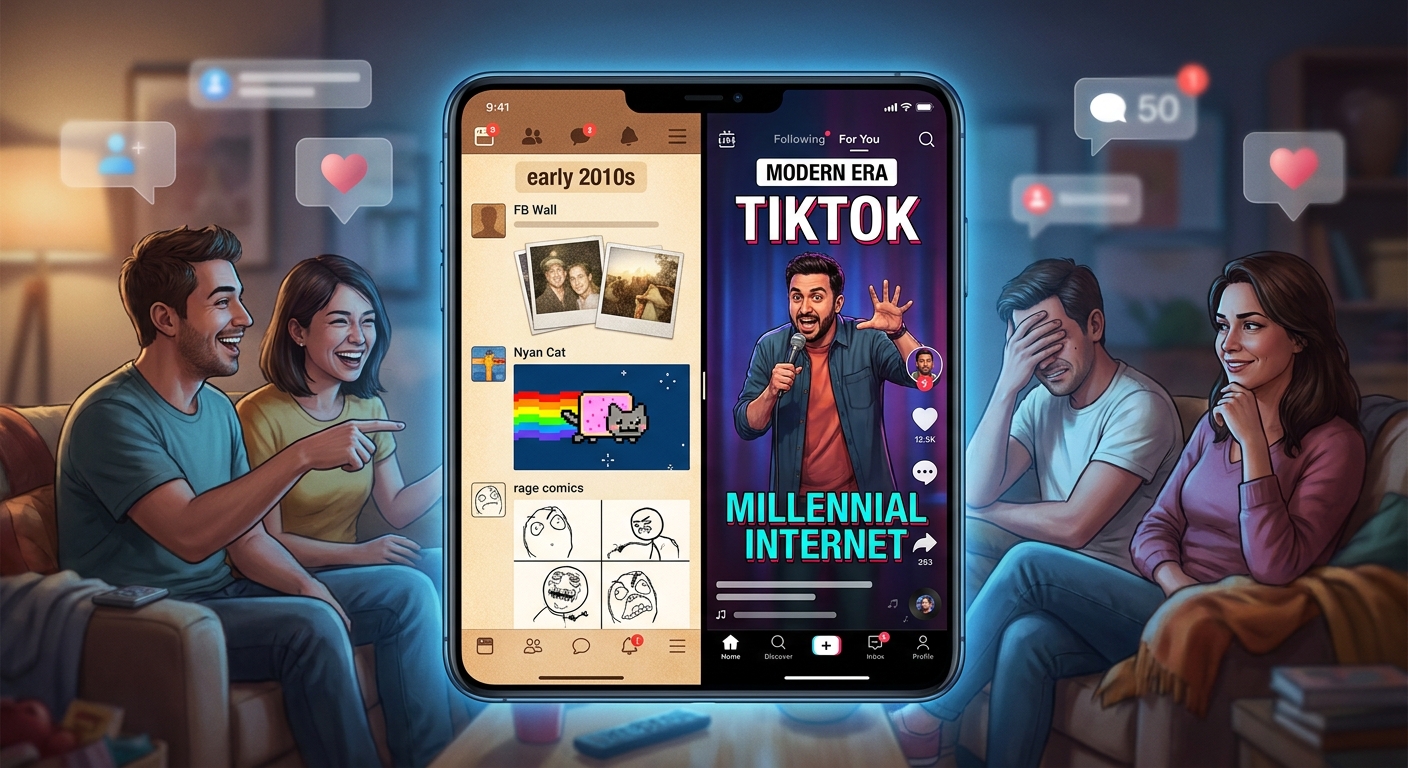
    You are not imagining it. A lot of people are staring at the Millennial Internet TikTok viral video and having the same tiny identity wobble. One minute you are online every day. The next, your feed feels like a party where everyone learned a dance, five inside jokes and a new tone of voice without telling you. That is exactly why this sketch hit so hard. It is funny, a little painful, and weirdly comforting all at once. The joke is not just “millennials are old now.” It is about what happens when people who helped build internet culture suddenly feel one update behind on the internet they used to understand instinctively. That “I feel so seen right now” reaction is the whole point. The clip works because it turns low-level online panic into a shared laugh, and once you get the references, it becomes a lot easier to enjoy the meme instead of feeling left out by it.

    ⚡ In a Hurry? Key Takeaways

    • The Millennial Internet TikTok viral video is resonating because it jokes about the very real feeling of aging out of the internet’s latest slang, memes and social rules.
    • If you want in on the trend, start by using the audio for a stitch, lip-sync or “things my version of the internet taught me” post instead of trying to copy every joke exactly.
    • The value here is simple. This trend gives people a low-pressure way to laugh at online FOMO and connect across age groups instead of feeling embarrassed by not getting every reference.

    Why this TikTok hit such a nerve

    The best viral jokes usually come from a very specific pain. This one does. The sketch taps into a feeling that is hard to explain unless you have lived online long enough to remember when being “extremely online” used to make you feel current, not slightly lost.

    That is why the reaction has been bigger than a normal funny post. People are not just liking it. They are stitching it, quoting it, lip-syncing it and reposting it with captions that basically say, “I thought this was just me.”

    The emotional hook is simple. The internet used to feel like a place you could learn once and then keep up with. Now it feels more like fashion. The style changes fast. The jokes mutate hourly. And if you blink, your For You page starts speaking in a dialect you can mostly understand, but not quite.

    What “Millennial Internet” actually means

    It is not just an age label. It is a whole online operating system.

    When people talk about “Millennial Internet,” they usually mean a mix of habits, references and vibes that came from an earlier era of being online. Think forum energy. Think early social media oversharing. Think reaction GIFs, side parts, dramatic punctuation, Facebook-era sincerity, Tumblr-style identity posting, BuzzFeed voice, and the belief that if you know enough references, you are in on the joke.

    The TikTok works because it notices that this internet brain never fully went away. It just ran into a newer style of posting that is drier, faster, more layered and sometimes almost aggressively uninterested in explaining itself.

    The surface-level joke

    At the most basic level, the sketch is making fun of what happens when someone raised on one set of internet rules meets a completely new one. The delivery is familiar. The timing feels right. Then you realize the joke is also about trying too hard not to look dated while still being deeply shaped by the old web.

    The deeper joke

    The deeper cut is about identity. A lot of people built parts of themselves online. Their humor, taste, politics, friendships, even how they write. So when internet culture shifts, it does not just feel like missing a meme. It can feel like your home turf got renovated while you were still living in it.

    Why younger users are sharing it too

    This is not only a millennial thing, which is part of why it spread so far. Gen Z and younger users are reposting it because the sketch is also funny from the outside. It lets them watch another generation process digital aging in real time.

    But there is something else going on. Younger users know this feeling too, just on a shorter timeline. Online culture now moves so quickly that almost everyone has had a moment of seeing a joke trend explode and realizing they missed the first five chapters.

    That is what makes this a rare cross-generational meme. One group sees self-recognition. Another sees a roast. A third sees a format they can reuse for their own version of internet whiplash.

    How the trend is evolving beyond the original clip

    Once a video hits this kind of nerve, TikTok does what TikTok always does. It turns one joke into ten subgenres.

    Stitches and reaction videos

    These are the easiest. People stitch the clip with their own “painfully accurate” examples. Sometimes it is about old internet habits. Sometimes it is about not understanding current slang. Sometimes it is just a face of silent devastation followed by “yep.”

    Lip-sync versions

    These work because the lines already carry the emotion. Users do not need to invent a fresh joke. They just perform the feeling. That is why the trend is so shareable.

    Personal spin-offs

    This is where the trend gets more interesting. People are using the format to talk about niche corners of the web. Fandom internet. Tumblr internet. Pinterest internet. Vine leftovers. Early YouTube humor. Niche blog culture. Former “I was huge on Twitter in 2017” energy.

    That is when the video stops being one creator’s joke and becomes a community language.

    If you feel left out by the joke, here is the good news

    You do not need to catch every reference to get the point. In fact, not fully getting it is almost part of the experience.

    The whole reason the Millennial Internet TikTok viral video is landing is because it names that awkward in-between space. You are online. You are aware. You are not clueless. But somehow there is still a memo you did not receive. The sketch gives that feeling a shape.

    That can actually be useful. Once you know the bit is about internet drift, not personal failure, the anxiety drops. You can laugh, lurk, learn the format and jump in when you want.

    How to use this trend for your own posts

    If you create content, even casually, this trend is a gift. It already has built-in recognition and emotion. You just need a hook that feels personal.

    Try the “my internet raised me differently” angle

    This is probably the easiest version. Pick three to five old-web habits, references or posting styles that still live in your brain. Keep it honest. The more specific, the funnier it usually gets.

    Examples:

    “My internet still thinks adding a reaction GIF is elite communication.”
    “My internet uses too many ellipses.”
    “My internet was trained by Tumblr and now every thought arrives as a thread.”

    Use the “I knew it was over when…” format

    This works well for people who feel the culture shift but cannot explain it neatly. One clean moment says a lot.

    Examples:

    “I knew it was over when everyone started using irony so dry I could not tell if they liked the thing.”
    “I knew it was over when I needed comment sections to decode the joke.”

    Make it niche

    Broad jokes get views. Specific jokes get comments. If you can tie the trend to your corner of the internet, people who share that history will show up fast.

    Why this feels bigger than one meme

    Every so often a viral post does more than entertain. It gives people a way to talk about a weird social shift they have been feeling but have not named yet. That is what is happening here.

    Internet culture used to be segmented by platform and subculture. Now everything bleeds into everything. TikTok jokes end up on Instagram repost pages. Tweet formats become audio trends. Tumblr-style sincerity reappears in new packaging. Everyone is borrowing from everyone, and that makes belonging feel less stable than it used to.

    The sketch captures that instability perfectly. It is not saying millennials are done. It is saying the internet keeps changing the furniture while we are still in the room.

    What to do if your feed suddenly makes you feel 100 years old

    First, do not panic. A confusing feed does not mean you are out of touch forever. It usually means the algorithm found a pocket of culture moving faster than usual.

    Reset your expectations

    You do not need to understand every trend at first glance. No one does. The internet just got better at pretending everyone else got the joke immediately.

    Watch the remixes, not just the original

    Remixes often explain the trend better than the source. Stitches, duets and quote-posts act like crowd-sourced footnotes.

    Participate lightly

    You do not need to become a full-time trend analyst. Like a few versions. Save the good ones. Maybe make one post. Think of it less like catching up on homework and more like getting the vibe by osmosis.

    At a Glance: Comparison

    Feature/Aspect Details Verdict
    Why it went viral It turns online aging, meme confusion and cross-generational cringe into one very relatable joke. A rare trend that feels funny and honest at the same time.
    How people are using it Through stitches, lip-syncs, niche internet confessionals and “my version of the web” spin-offs. Very easy to adapt, even if you are not a heavy creator.
    What it means for viewers It reframes that left-out feeling as a shared internet experience instead of a personal failing. Worth watching because it gives you context, not just FOMO.

    Conclusion

    The reason this trend matters is not just that the video is funny. It gives people a way to talk about how strange it feels to age in public on the internet, where tastes, jokes and social cues now change at warp speed. That is why the Millennial Internet TikTok viral video is spreading far beyond one app and landing on repost pages, group chats and comment sections full of people saying the same thing. “I feel so seen.” Once you unpack the surface jokes and the deeper ones, the clip stops being just another piece of online FOMO. It becomes a shared reference point, and even a handy template for your own post. That helps the community because it turns confusion into connection. Instead of scrolling past and feeling one step behind, readers can actually understand the meme, join the conversation and use the format in a way that feels natural to them.

  • This TikTok ‘5.4 Billion Views Juice WRLD Edit’ Clip Just Became The Internet’s New Favorite ‘Is This Even Real?’ View-Count Conspiracy

    This TikTok ‘5.4 Billion Views Juice WRLD Edit’ Clip Just Became The Internet’s New Favorite ‘Is This Even Real?’ View-Count Conspiracy

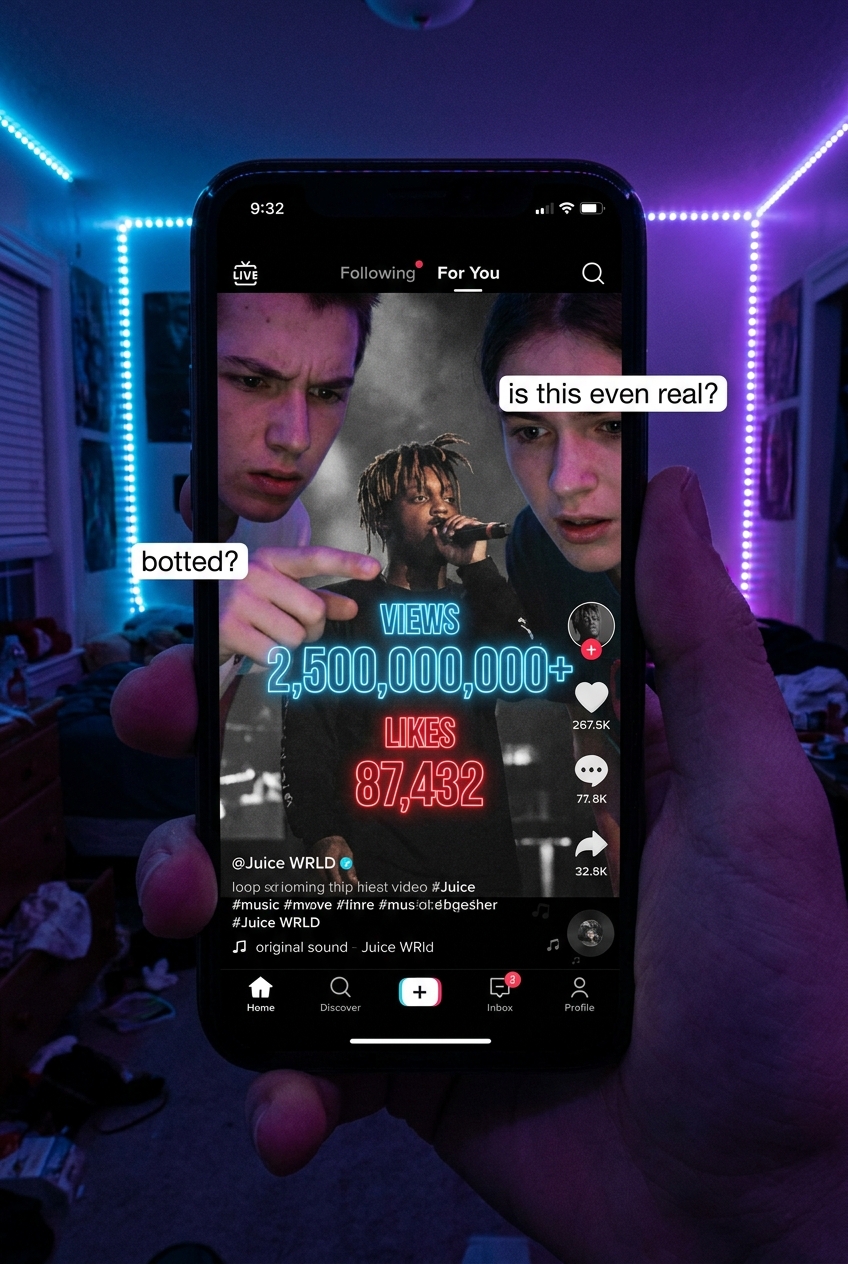
    You are not imagining it. Trying to track down the “most viewed TikTok ever” has become weirdly annoying. One post claims one champion, another list is already outdated, and then out of nowhere this Juice WRLD edit shows up with a reported 5.4 billion views, which is the kind of number that makes normal people squint at their screen and say, “Hold on. Is that even possible?” That reaction is fair. View counts that huge can come from real repeat viewing, algorithmic rocket fuel, repost chains, regional boosts, or plain old shady traffic. The frustrating part is that TikTok does not always give everyday users enough context to tell which is which. So let’s keep this simple. Here’s what this 5.4 billion views Juice WRLD TikTok viral video claim likely means, what signs make it look believable or suspicious, and how to judge these giant numbers without feeling like the internet is trying to gaslight you.

    ⚡ In a Hurry? Key Takeaways

    • The 5.4 billion view Juice WRLD clip might be real as a raw counter reading, but that does not automatically mean 5.4 billion unique people watched it in a normal viral way.
    • Check the basics before believing the hype: likes-to-views ratio, comment quality, share activity, repost history, and whether the clip is short enough to trigger lots of rewatches.
    • For creators, giant numbers are useful as a case study, not a personal benchmark. Focus on what made the edit sticky, not on chasing impossible-looking totals.

    Why this clip is blowing up as a conspiracy story

    The clip itself is not the only thing going viral. The argument about the clip is going viral too.

    That happens a lot now. A short edit gets huge, someone screenshots the view count, people repost the screenshot without the original context, and suddenly the conversation changes from “this edit goes hard” to “there is no way this number is real.”

    That is exactly why the 5.4 billion views Juice WRLD TikTok viral video is getting so much attention. The number is so oversized that it stops feeling like a stat and starts feeling like a glitch, a flex, or evidence of bots.

    First, can a TikTok really hit 5.4 billion views?

    Technically, yes, a view counter can show a number that high.

    But there is an important catch. A TikTok “view” is not the same thing as a unique human being sitting down for a meaningful watch. On very short clips, especially edits with music, viewers can replay them by accident, on purpose, or because the algorithm keeps pushing them back into feeds. If the clip is only a few seconds long, the counter can climb fast.

    Now add a global fan base, a recognizable artist like Juice WRLD, repost pages, heavy sharing, fan mourning culture, nostalgia, and a visually sticky edit. Suddenly a very large number becomes less impossible.

    Still, 5.4 billion is not just “very large.” It is cartoonishly large. That is why people are skeptical.

    What makes people think the number might not be fully organic

    1. The ratio feels off

    When a TikTok has a giant number of views, people expect the other public signals to rise with it. Likes, comments, saves, shares, duets, and stitches do not need to match perfectly, but they usually move in the same neighborhood.

    If a clip claims billions of views but has engagement that looks merely decent, that raises eyebrows. It does not prove bots. It just means the math feels strange.

    2. The comments look thin or repetitive

    Real viral posts usually collect messy, funny, chaotic comment sections. You see inside jokes, timestamp reactions, arguments, fan lore, and lots of repetition mixed with real personality.

    If a supposedly world-dominating clip has shallow comments, generic praise, or lots of duplicate phrases, people start wondering whether the audience is thinner than the view count suggests.

    3. The clip may have been reposted or recycled

    This is a big one. Sometimes a “new” viral video is really an old edit that has been reuploaded, mirrored, screen-recorded, or spread across multiple accounts. Screenshots can also come from one version while the hype comes from another.

    That can make the story sound cleaner than it really is.

    4. Music edits are perfect rewatch bait

    On the other hand, this point cuts both ways. A Juice WRLD edit is exactly the kind of content people replay. Emotional music. Quick cuts. Familiar face. Sad mood. Strong fan attachment.

    That means unusual view inflation can happen without any bot army at all.

    What makes the claim feel at least somewhat plausible

    It matches the kind of content TikTok loves

    TikTok has always favored instantly understandable clips. You do not need context. You do not need sound on for long. You see a face you know, hear a song you recognize, and you stay long enough to finish the loop.

    A Juice WRLD fan edit checks all those boxes.

    Short clips can farm rewatches naturally

    If the video is only a few seconds long, one person can accidentally count as multiple views over time. That sounds silly, but at internet scale, silly things matter.

    A clip that loops cleanly can pile up views way faster than a longer video with more effort in it.

    Fan culture multiplies distribution

    Tribute edits travel differently from normal comedy or product clips. Fans share them in grief communities, music pages, quote accounts, reaction threads, and repost compilations. That does not mean the counter is fake. It means the distribution path is wider than it looks.

    How to judge whether a “most viral” TikTok is suspect

    If you want a plain-English test, use this checklist.

    Look at the likes-to-views relationship

    There is no magic ratio, and different types of videos perform differently. But if the views are sky high and the likes look oddly low, take a step back.

    Read 20 to 30 comments, not just the top 3

    Top comments can be misleading. Scroll. If the deeper comments look like real people reacting in specific ways, that is a healthy sign.

    Check whether the creator has other posts with similar performance

    If one account has a single impossible-looking mega hit and everything else is tiny, that does not prove fraud. Viral breakouts happen. But it does make the story more complicated.

    See whether the clip has been covered by fan accounts or repost pages

    If half the internet is circulating a screen recording of the video instead of the original upload, the public hype may not match the original post’s true path.

    Ask if the clip is rewatchable

    This matters more than people think. A six-second emotional edit can behave very differently from a 45-second talking-head video. The shorter and loopier it is, the less shocking gigantic views become.

    What probably happened here

    The most reasonable middle-ground answer is this: the clip may well have posted a real, platform-visible number in the billions, but that number probably reflects a mix of organic interest, heavy replay behavior, broad fan sharing, and the usual messiness of how TikTok counts and distributes attention.

    That is different from saying “totally fake.” It is also different from saying “5.4 billion proves this is the biggest, fairest, cleanest viral hit ever.”

    Both extremes are a little too neat.

    Why small creators should not panic over numbers like this

    This is the part that matters most.

    When a clip starts floating around with a number like 5.4 billion, it can make normal creators feel like they are playing the wrong sport. You spend hours on something thoughtful, it gets 1,200 views, and then a moody edit with a famous song appears to outdraw the planet.

    That does not mean your work failed. It means viral math is weird.

    The useful question is not “Why am I not getting billions?” The useful question is “What made this easy to replay, easy to share, and easy to feel something from in two seconds?”

    That is where the lesson is.

    What actually resonated in the Juice WRLD edit

    Even if you think the count is inflated, the format still teaches something.

    It had instant emotional context

    People know who Juice WRLD is. They bring their own feelings before the edit even starts.

    It likely rewarded repeat views

    Short edits often have one striking visual moment or beat drop that people want to see again.

    It was socially shareable

    You can send a clip like this to a friend with no explanation. That frictionless sharing matters a lot.

    It fit the platform

    Not every good video is built for TikTok. These edits are.

    So, is it botted?

    There is not enough public evidence to call it botted as a fact just from the headline number alone.

    And that is the honest answer, even if it is less fun than a clean conspiracy. A giant number is not proof of botting. But a giant number with weak supporting signals is a fair reason to stay skeptical.

    If you cannot verify the original upload, the engagement profile, the posting timeline, and the repost trail, then the safest conclusion is simple: interesting, possible, but not something to accept blindly.

    At a Glance: Comparison

    Feature/Aspect Details Verdict
    Raw 5.4B view count A number this high can appear on TikTok, especially on ultra-short looping clips with broad fan appeal. Possible, but not self-proving
    Bot suspicion signals Low engagement relative to views, repetitive comments, unclear repost history, and weak creator track record can all raise concerns. Worth checking carefully
    Creator takeaway The useful lesson is the clip’s emotional punch, replay value, and shareability, not the giant headline number. Good case study, bad benchmark

    Conclusion

    The feed is packed with “most viewed ever” claims now, and it is no wonder people feel a little duped by the numbers game. The Juice WRLD edit gives everyone one clear example to point at and ask the right question. Not just “is it huge,” but “what kind of huge is this?” That is a much smarter way to read the internet in 2026. For viewers, it helps you stop feeling gaslit by absurd counters. For small creators, it helps you reset expectations and pay attention to the parts that actually matter: emotion, timing, replay value, and shareability. Whether this 5.4 billion views Juice WRLD TikTok viral video is a fully organic monster, a messy algorithm miracle, or something in between, the real value is knowing how to spot the difference between genuine heat and manufactured hype, so you do not beat yourself up chasing a number that may not tell the whole story.

  • This Santa Cruz ‘Teen Lifeguard Hero’ Clip Just Became The Internet’s New Favorite Real‑Life Boss Fight

    This Santa Cruz ‘Teen Lifeguard Hero’ Clip Just Became The Internet’s New Favorite Real‑Life Boss Fight

    Your feed is probably full of staged meltdowns, recycled prank clips, and “you won’t believe this” nonsense. That is exactly why a real story like this can slip by before most people even hear about it. The Santa Cruz teen lifeguard viral rescue video is the rare one worth stopping for. It shows 16-year-old Ryder, a junior guard at Seabright Beach, fighting through punishing 8 to 10 foot surf while holding onto a struggling child and getting hammered by wave after wave. It looks less like a normal rescue and more like a real-life boss fight nobody should have to face, especially at 16. But he does not panic. He does not let go. And that is why people who have seen it cannot stop talking about it. If you want the real story, the safest way to watch it, and the quick version you can pass along without digging through junk reposts, here it is.

    ⚡ In a Hurry? Key Takeaways

    • The Santa Cruz teen lifeguard viral rescue video shows a 16-year-old named Ryder repeatedly hit by huge waves while rescuing a child at Seabright Beach.
    • If you want to share it, stick to trusted local news or official beach safety posts instead of random repost accounts that strip out context.
    • The biggest lesson is not thrill or drama. It is how fast rough surf turns dangerous, even when help is nearby.

    What happened in the Santa Cruz rescue clip

    The basic version is simple, even if the video looks chaotic. A child was in trouble in the surf at Seabright Beach in Santa Cruz. Ryder, a 16-year-old lifeguard, went in and stayed with the kid while heavy waves kept crashing over both of them.

    What makes the clip hit so hard is that you can actually see the ocean trying to win. Ryder gets swallowed up again and again by the surf, but keeps control of the rescue. He does not lose his grip. He does not freeze. He keeps working the problem until the child is brought in safely.

    That is why this video is spreading. Not because it is flashy, but because it feels terrifyingly real.

    Why people are calling it the wildest rescue of the week

    Most viral clips are built for reaction. This one is different. It has the kind of tension you usually only get in movies, except there is no script and no reset button.

    You are watching a teenager make adult-level decisions under serious pressure. That alone grabs people. Add in the size of the waves, the repeated wipeouts, and the fact that he still completes the rescue, and it makes sense why the internet latched onto it.

    The phrase “real-life boss fight” fits because the ocean keeps throwing a new hit at him every few seconds. He just keeps going.

    Why this matters more than the usual viral clip

    There is a bigger reason this story matters. It reminds people that beaches can turn dangerous fast. A sunny day and a crowded shoreline do not mean safe water.

    For parents, this is a wake-up call. For teens, it is a lesson in how quickly fun can become an emergency. For everyone else, it is a chance to give some credit to lifeguards and junior guards who train for situations most of us would not handle well at all.

    What Ryder did right

    From the accounts around the clip, the standout thing was composure. He stayed with the victim, kept moving through the surf, and did not let the pounding waves break the rescue apart.

    That sounds simple when written out. In real water, it is not simple at all.

    What viewers should not take from the clip

    This is not a challenge video. It is not proof that rough surf is “not that bad.” If anything, it shows the opposite. The right takeaway is respect for the ocean and appreciation for trained responders.

    Where to watch the Santa Cruz teen lifeguard viral rescue video safely

    If you are searching for the Santa Cruz teen lifeguard viral rescue video, try to start with trusted local reporting, official station social posts, or established news outlets that include the location, date, and context. That helps you avoid clipped reposts, fake captions, and accounts farming attention.

    A good rule is simple. If the post gives no source, no beach name, and no reporting around the rescue, skip it. You want the version tied to actual coverage, not a reaction page with dramatic music slapped on top.

    How to share it without spreading junk

    If you are sending this to friends or posting it in a group chat, add one sentence of context. Something like, “This is the Seabright Beach rescue where 16-year-old Ryder held onto a drowning child through heavy surf.”

    That little bit matters. It keeps the story grounded in what happened instead of turning it into another empty “craziest video ever” post.

    The bigger beach safety lesson

    Even if you never go near Santa Cruz, the lesson travels. Strong shore break, rip currents, and changing surf can overwhelm people fast. Kids are especially vulnerable because panic starts quickly once they lose footing or get turned around.

    If you are heading to the beach

    Stick near staffed lifeguard areas when possible. Watch the water for a few minutes before anyone gets in. Ask about surf conditions. And if something feels rough from shore, it is usually rougher once you are in it.

    That is not fear talking. That is just how water works.

    Why this clip is sticking with people

    Part of it is the age. Sixteen is old enough to train, but still young enough that most people expect hesitation in a crisis. Instead, the video shows the opposite. It shows discipline.

    The other part is that the rescue has a clean emotional core. A kid was in danger. A young lifeguard stepped up. He took a beating from the ocean and did not quit. People can feel the stakes instantly, even with no narration.

    At a Glance: Comparison

    Feature/Aspect Details Verdict
    What the video shows A 16-year-old Santa Cruz lifeguard battling heavy 8 to 10 foot surf while rescuing a child at Seabright Beach Genuinely important watch
    Why it went viral It feels raw and real, not staged, and the stakes are obvious within seconds Earned attention, not fake hype
    Best way to share it Use trusted reporting or verified local coverage with context about Ryder and Seabright Beach Safer and more useful than repost clips

    Conclusion

    This is one of those rare viral moments that deserves the attention. It cuts through the usual noise and gives people something real to talk about. A teenager named Ryder turned what could have been a tragedy at Seabright Beach into a lesson in courage, training, and not panicking when everything around you is chaos. If you were looking for the Santa Cruz teen lifeguard viral rescue video, now you have the story, the smart way to find it, and the quick context that makes it worth sharing. No paywall hunt. No repost mess. Just a genuinely important clip before the internet moves on to the next shiny distraction.

  • This ‘Stuck On Roller Coaster For 4 Hours’ POV Just Became The Internet’s New Favorite ‘Why Do I Find This Fun?’ Nightmare Ride

    This ‘Stuck On Roller Coaster For 4 Hours’ POV Just Became The Internet’s New Favorite ‘Why Do I Find This Fun?’ Nightmare Ride

    You know the feeling. You open TikTok or X for a quick break, and suddenly your whole feed is the same panic-laugh roller coaster clip over and over again. But every repost is cropped differently, half the captions are wrong, and nobody seems to say where the original came from. If you are trying to find the actual stuck on roller coaster viral video, not the tenth reaction stitch with somebody screaming over it, here is the clean version of what people are talking about. The clip making the rounds is a POV-style video from riders stranded on a roller coaster for hours, and it hits that weird internet sweet spot of “this looks awful” and “why can’t I stop watching?” The reason it is blowing up is simple. It feels raw, tense, funny, and deeply uncomfortable all at once. So let’s cut through the repost fog and get you caught up fast.

    ⚡ In a Hurry? Key Takeaways

    • The stuck on roller coaster viral video people are sharing is a POV clip of riders stranded for roughly four hours, which is why it feels more intense than the usual brief ride-delay posts.
    • If you want the version worth watching, look for the longest, clearest upload with the original rider audio, not a zoomed-in repost or reaction stitch.
    • It looks terrifying, but ride stoppages do not automatically mean a crash risk. In many cases, coasters stop because safety systems are doing exactly what they are supposed to do.

    What is the video everyone is talking about?

    The internet’s latest shared obsession is a POV clip from riders who say they were stuck on a roller coaster for four hours. That alone is enough to send social media into detective mode.

    The video spread because it checks every box for a modern viral hit. It has a first-person view. It has real reactions. It has that queasy mix of fear and dark humor. And it taps into one of the most common “absolutely not” nightmares people have about amusement parks.

    What makes this one stand out from the usual ride videos is the length of the delay. A coaster pausing for a few minutes is one thing. Being stranded long enough for people online to start imagining dead phone batteries, cramped legs, sun exposure, and awkward conversations with strangers is a very different level of stress.

    Why this clip feels bigger than the usual viral repost

    It is not just a scream clip

    A lot of roller coaster videos go viral because of one fast drop or one person yelling something funny. This one has a stronger hook. It is about being stuck, waiting, and watching that waiting turn into a story.

    It triggers a very specific fear

    Even people who love thrill rides can relate to this. The internet has basically turned the clip into a giant group confession of, “I think roller coasters are fun, but this is exactly why I do not trust my own taste.”

    The reposts made it confusing

    This is the annoying part. Once a video starts moving fast, platforms fill up with cut versions, meme edits, stitched reactions, and blurry copies. The result is that a lot of people know the joke before they know the source.

    If you are trying to catch up, skip the versions with giant text overlays or somebody pointing at the clip in a split screen. The best version is the one with the original rider audio intact and enough runtime to show the tension building.

    What actually happened?

    Based on the way the clip is being shared, riders were left stationary on the coaster for an extended stretch, reportedly around four hours. That number is a big part of why people are so fixated on it. Four hours is long enough to turn a ride interruption into a full-blown endurance event.

    As with most viral clips, details can get messy once repost culture takes over. Captions start adding drama. People guess the location. Someone invents a backstory. Then everybody repeats it like it came from a park statement.

    The smart move is to separate the clearly visible facts from the internet extras. The visible facts are simple. Riders were stuck. It lasted a long time. The footage captures the discomfort in a way that feels immediate and real. That is the core of why the video landed.

    Is this actually dangerous, or just scary?

    This is where the internet usually gets ahead of itself.

    A stopped roller coaster looks terrifying. That part is obvious. But a stoppage does not automatically mean the ride was moments away from disaster. In many cases, rides are built to stop when sensors detect an issue, when weather becomes a problem, or when operators need to halt normal movement for safety checks.

    That does not make the rider experience pleasant. Not even close. Being stuck in a restraint for hours sounds miserable. But from a safety point of view, a stopped ride can be evidence that the system worked as intended.

    What riders usually deal with in these situations

    It can mean heat, cold, awkward body position, anxiety, and a very slow rescue or unloading process. Theme parks generally have procedures for evacuation, but those procedures can take time, especially if the train is stranded in a tricky location.

    What you should not assume from one clip

    You should not assume the ride was about to fail catastrophically. You also should not assume every coaster stoppage means negligence. Viral videos are great at delivering emotion. They are not always great at delivering context.

    Why people cannot stop watching it

    Because it is internet catnip. It combines suspense, secondhand panic, and the kind of humor that only appears when people are deeply uncomfortable.

    There is also a weird social-media ritual around clips like this. Half the audience watches to feel relief that it is not them. The other half watches while imagining exactly how they would react. Then both groups rush to the comments to make jokes about never going outside again.

    That is really the engine behind the stuck on roller coaster viral video trend. It is not just “wow, scary.” It is “wow, scary, but somehow also relatable, funny, and impossible to look away from.”

    The funniest reactions from around the internet

    The best reactions tend to fall into a few categories.

    The “I would pass away immediately” crowd

    These are the people treating the clip like a personal warning from the universe. A lot of the funniest posts are basically variations of, “I support roller coasters for other people.”

    The “this is my worst nightmare” posts

    These hit because they are honest. Plenty of viewers are less afraid of the drop than the idea of being trapped and unable to get off.

    The “why do I still want to ride it?” crowd

    This is the most internet-brained response of all. People watch a nightmare scenario and still think, “Okay, but the ride did look kind of fun before that part.”

    That tension is exactly why the clip has meme power. It turns thrill-seeking into a slightly embarrassing personality test.

    How to find the definitive version without wasting 20 minutes

    If you are trying to find the best version of the stuck on roller coaster viral video, use a simple filter.

    Look for these signs

    The upload should have original ambient audio, not added music. It should not be vertically cropped into oblivion. It should show enough of the wait to explain why people care. And it should avoid giant captions that tell you what to think before the clip even starts.

    Skip these versions

    Avoid reposts with low resolution, aggressive zoom, AI voiceover narration, or a reaction creator taking up half the screen. Those versions spread fastest, but they are usually the worst for understanding what happened.

    If you are sharing it with friends, send the cleanest original-source upload you can find. That way they get the full context instead of a meme copy of a meme copy.

    What this says about how trends work now

    One reason this took off so fast is that search and discovery on social apps can feel messy. A trend explodes, then the original gets buried under commentary. By the time regular people arrive, they are sorting through knockoffs.

    That is why it helps to anchor yourself to one clear version of the clip and one basic summary of the facts. Otherwise you end up doing unpaid forensic work just to understand the joke everyone is already making.

    At a Glance: Comparison

    Feature/Aspect Details Verdict
    What made it viral A POV clip of riders reportedly stuck on a roller coaster for about four hours, mixing fear, boredom, and dark comedy. Much more memorable than a normal ride-delay post.
    Best version to watch The clearest upload with original audio and minimal edits, not a reaction stitch or blurry repost. Worth finding once, then sharing that version.
    Safety context A stopped coaster can look terrifying, but many stoppages happen because built-in safety systems or ride procedures kick in. Scary for riders, not automatic proof of disaster.

    Conclusion

    If your feed has been a blur of panic-laugh reposts and you just wanted the actual story, this is the one to know. The stuck on roller coaster viral video took over because it turns a very real rider ordeal into the internet’s favorite kind of communal nightmare, the one everybody jokes about because it feels a little too possible. The useful part is knowing what you are looking at. Find the clean original-style clip, ignore the noisy reposts, and keep the safety context in mind before the comment section talks you into thinking every coaster is a death trap. Today the whole feed feels chaotic, and trends get buried under copies fast. Zeroing in on the definitive stuck-on-a-roller-coaster POV, plus the reason people are obsessed with it, means you can watch once, share the right clip, and be fully caught up on the internet’s main character of the day.

  • This ‘Transparent PC Screen Build’ Clip Just Became The Internet’s New Favorite “How Is This Even Possible?” Rig Flex

    This ‘Transparent PC Screen Build’ Clip Just Became The Internet’s New Favorite “How Is This Even Possible?” Rig Flex

    You know the feeling. You see one jaw-dropping clip on your feed, scroll past for two seconds, and then it vanishes into the algorithm swamp forever. That is exactly what happened with the transparent pc screen viral video. People kept sharing this rig like it was computer magic. A PC build with a display that looked see-through, almost holographic, and just strange enough to make everyone ask the same thing. “Wait, how is this even real?” The reason it hit so hard is simple. It looked fake at first glance, but not fake enough to ignore. That sweet spot is internet gold. So if you were trying to track down why this build blew up, here is the short version. It was not just a cool custom PC. It was a perfect visual trick, a clean camera angle, and a setup dramatic enough to stop thumbs mid-scroll.

    ⚡ In a Hurry? Key Takeaways

    • The transparent pc screen viral video blew up because it combined a real custom build with an optical illusion that looked impossible in a short clip.
    • If you want to spot similar breakout videos early, look for clips that make people ask one instant question and then replay to check what they saw.
    • Do not assume every “transparent display” rig is practical or cheap. Many are showcase builds, not everyday desk setups.

    What people are actually seeing in the clip

    The phrase “transparent PC screen” makes it sound like someone invented sci-fi glass from a movie. Usually, the reality is a little more grounded, but still very clever.

    These builds often use transparent or semi-transparent OLED-style panels, layered lighting, open-frame cases, careful background control, or a custom arrangement where the display and PC parts are staged to create the illusion of floating content. In a fast social video, that can look completely unreal.

    And that is the key. The clip was built for the camera as much as it was built for the desk.

    Why this one took over feeds so fast

    It triggers instant confusion

    The best viral tech clips do one job first. They confuse you just enough to make you stop scrolling. This one nailed that. At a glance, it looked like a monitor had no back panel, no bulk, and no obvious frame hiding the trick.

    It is easy to understand in one second

    You did not need a long explanation. You saw the screen. You saw the PC parts. Your brain went, “That should not work.” Done. That is perfect short-form internet fuel.

    It invites comments from everyone

    Some viewers want the parts list. Some want to call it fake. Some want to build one. Some just want to tag a friend and say, “Need.” That broad reaction mix is part of what pushes clips into bigger circulation.

    So, was it real or just camera trickery?

    Most likely, both in a sense.

    These kinds of viral builds are often very real as physical projects, but they are also shot in the most flattering possible way. That means dark backgrounds, selective angles, controlled reflections, hidden supports, and lighting that makes solid hardware disappear on camera.

    That does not make the creator dishonest. It just means the clip is a demo, not a neutral product review.

    Think of it like seeing a concept car at an auto show. It is real. It exists. But it is also staged to look as dramatic as possible.

    Why people keep remixing it on TikTok and Reels

    Once a clip like this lands, the copies arrive fast. Not always because people are stealing it outright, but because the format is easy to reuse.

    • Reaction videos work well because the shock is immediate.
    • Explainer videos work because viewers want the trick decoded.
    • Duets and remixes work because people love calling real things fake, and fake things real.

    That is why the original source can get buried. The internet often remembers the effect before it remembers the creator.

    How to tell if a “transparent display” clip is worth your attention

    Look for the replay factor

    If you watch once, then instantly watch again to check what you missed, that is usually a sign the clip has genuine hook power.

    Check whether the creator shows multiple angles

    A single perfect angle can hide a lot. Multiple angles suggest there is a real build behind the trick, even if the presentation is still polished.

    Watch the comments carefully

    Comments can be noisy, but they also reveal what is driving the share wave. If half the thread is asking “how” and the other half is arguing whether it is edited, that is usually a strong sign the clip hit the viral sweet spot.

    What this says about tech videos right now

    People are tired of generic “crazy setup” content. They want a payoff. They want one image or one moment that feels new, even if it is partly a remix of older ideas.

    That is why the transparent pc screen viral video landed harder than a lot of louder, more expensive builds. It was not just premium. It was weird in a clean, easy-to-share way.

    That matters if you are a creator, but it also matters if you are just trying to keep up. Once you know the pattern, you can see why certain clips break out while others disappear in hours.

    If you want to spot the next one before everyone else

    Here is the simple checklist.

    • Does the visual make sense instantly, but not fully?
    • Would a friend understand the appeal without a long caption?
    • Is the clip showing something genuinely hard to process on first look?
    • Are people arguing about whether it is real?

    If the answer is yes to most of those, you are probably looking at a video with breakout potential.

    At a Glance: Comparison

    Feature/Aspect Details Verdict
    Visual impact Looks impossible at first glance, with a “floating” or see-through screen effect. This is the main reason it went viral.
    Practical everyday use May involve controlled lighting, niche parts, and a setup designed more for show than daily work. Cool to watch, less likely to be a normal desk upgrade.
    Shareability Short, confusing, and instantly impressive, which makes it perfect for reposts and reactions. Extremely strong viral format.

    Conclusion

    The big win here is not just finding the transparent pc screen viral video after the algorithm tried to bury it. It is understanding why this was the one people could not stop sharing. It cut through the usual low-effort setup spam because it gave viewers a true double-take moment. That helps the community today because it pins down the one tech clip everyone will reference this week, without forcing you to sort through a pile of copycats. And once you see the pattern, you can spot the next breakout visual hook much faster. That means you are not just catching up on one cool build. You are getting a better read on what the internet is actually paying attention to right now, in real time.