Blog

  • This ‘Dog Using Zebra Crossing’ Clip Just Became The Internet’s New Favorite Commuter Core Memory

    This ‘Dog Using Zebra Crossing’ Clip Just Became The Internet’s New Favorite Commuter Core Memory

    You know the feeling. You swipe through an endless stream of crashes, shouting, fake outrage, and tired pranks, and after a while the whole internet starts to feel a bit broken. Then a tiny clip shows up and somehow cuts through all of it. That is exactly what is happening with the dog uses zebra crossing viral video now blowing up across social feeds. The footage, reportedly from Bengaluru, looks like simple security camera video. A dog waits at a zebra crossing, moves across with calm confidence, and a few other dogs follow along like a tiny commuter squad. That is it. No stunt. No setup. No dramatic music needed. And yet people cannot stop watching because it feels like a rare, orderly, oddly comforting moment in a world that usually seems to reward chaos. It is wholesome, yes. But it is also tapping into something deeper about how badly people want cities, traffic, and basic courtesy to make sense again.

    ⚡ In a Hurry? Key Takeaways

    • This viral clip shows a dog in Bengaluru patiently using a zebra crossing, and people love it because it feels calm, smart, and unexpectedly human.
    • If you want to join the trend, react fast and keep your post simple. A short caption about traffic, manners, or city life works better than overexplaining it.
    • Do not turn it into a reason to approach street dogs in traffic. Enjoy the video, but keep real-world safety first for both animals and people.

    What actually happened in the video

    The clip itself is refreshingly straightforward. A dog appears to wait at a zebra crossing on a Bengaluru street, then crosses in a way that looks more patient and rule-following than a lot of humans manage on a busy day. A small group of dogs moves with it, which is what really pushes the whole thing into internet gold.

    It feels less like an animal clip and more like a tiny public-service announcement accidentally captured by a camera. That contrast is the whole appeal. The streets are noisy. Traffic is messy. Then this dog shows up acting like the one commuter who read the manual.

    Why this specific clip hit so hard

    People are not just sharing the dog uses zebra crossing viral video because dogs are cute. They are sharing it because it lands right on a bunch of everyday frustrations.

    Drivers who never stop

    Plenty of people saw the clip and instantly turned it into commentary on awful driving habits. The subtext is obvious. If this dog can respect the crossing, why can’t everyone else?

    Cities that feel built for cars first

    There is also a deeper reaction here. A lot of modern city life feels hostile to anyone walking, cycling, pushing a stroller, or simply trying to cross the road without a stress spike. The video gives people a ten-second fantasy where the crossing means what it is supposed to mean.

    The craving for order

    This is the part that makes the clip stick. It is not flashy. It is neat. It is a small moment where the rules seem real again. That can feel weirdly emotional when so much of daily life feels like everyone is winging it.

    Why it spread so fast outside India

    Normally, hyper-local clips can stay local. This one did not. It moved from Indian news coverage into US and European feeds very quickly because you do not need context to get the joke or the charm. A zebra crossing is universal enough. Bad traffic is universal. Wanting one calm, decent moment in your day is definitely universal.

    That is why the video works in so many timelines at once. It is visual. It is easy to caption. It invites instant projection. And best of all, it does not need translation to make sense.

    Why creators are jumping on it

    If you make content, this is the sweet spot. The format is flexible. You can use it as a reaction meme, a commuter joke, a traffic rant, or a wholesome palate cleanser between heavier posts.

    The best posts around this clip are not trying too hard. They usually say something like, “Even the dog knows how this works,” or “Most disciplined commuter today.” Short. Relatable. Done.

    Easy caption angles that fit

    You do not need to reinvent the wheel here. A few angles are already working:

    • When the dog has better road sense than half the city
    • POV: the only lawful commuter left
    • Proof that some residents still believe in the system
    • Main character energy, but polite

    The trick is timing. Trends like this burn bright and then get flattened once every brand account starts posting “our team on Monday morning” over the same clip.

    What people are really seeing in it

    This is where the internet gets interesting. Everybody brings their own baggage to a viral clip. Some people see a smart dog. Some see a civic lesson. Some see a joke about traffic police. Others see a tiny bit of hope that public spaces can still work the way they were meant to.

    That might sound like a lot to load onto one street dog crossing the road, but that is how viral moments work. The best ones become mirrors. This one just happens to be a very furry mirror.

    Is the video wholesome? Yes. Should we romanticize everything? Maybe not.

    It is fine to enjoy the clip. You should enjoy the clip. But it is also worth keeping one foot in reality. Street animals still face real risks in traffic-heavy cities. A charming video does not erase that. If anything, it reminds people that roads are shared spaces, and careless driving affects more than just other drivers.

    So yes, laugh. Share it. Use it as your mood reset. Just do not let the cute factor turn into reckless behavior around animals near roads.

    How to talk about it without sounding late to the trend

    If you are posting about the dog uses zebra crossing viral video, the best move is to keep it human. Talk about why it hit you. Mention the commute. Mention the relief. Mention how absurd it is that this feels more organized than rush hour.

    Avoid forcing a big moral. The internet already knows the lesson. That is part of why the clip spread so quickly in the first place.

    At a Glance: Comparison

    Feature/Aspect Details Verdict
    Virality factor Short, clear, instantly understandable, and easy to remix with captions Very strong. This is built for fast sharing.
    Emotional appeal Combines humor, order, and genuine warmth in a single simple moment Unusually sticky for such a small clip.
    Trend lifespan Fresh right now, but likely to peak fast once brand accounts and copycats pile in Worth posting about soon, not next week.

    Conclusion

    The reason this clip matters is simple. It gives people a breather. A security camera style video from Bengaluru showing a dog patiently using a zebra crossing with a small pack has turned into one of those rare internet moments that feels bigger than itself. It has already jumped from Indian outlets into US and European timelines because it speaks to frustrations almost everyone recognizes. Drivers who do not stop. Cities that feel rough on anyone outside a car. The quiet wish that somebody, somewhere, is still playing by the rules. If you wanted one wholesome thing to latch onto today, this is it. And if you are a creator, it is also a fresh reaction template while it still feels organic, before the trend gets flattened into ad copy and tired brand jokes.

  • This ‘Mom Won’t Say The Word’ TikTok Just Became The Internet’s New Favorite Family Plot Twist

    This ‘Mom Won’t Say The Word’ TikTok Just Became The Internet’s New Favorite Family Plot Twist

    You know the feeling. You open TikTok hoping for a quick laugh, and three swipes later you are stuck in a swamp of fake pranks, secondhand embarrassment, and people being weirdly cruel to their own families for views. That is why the she’s too classy for that word tiktok video is hitting such a nerve. It is actually funny. Not mean. Not painfully staged. Just one creator, @lululapeaa, trying to bait her mom into saying a forbidden word, while her mom keeps gracefully sidestepping the trap like she was born for this exact moment. The whole thing works because you can see the tension build in real time. Every near-miss makes it better. Every workaround from the mom makes her more iconic. In a feed packed with heavy news and outrage bait, this clip feels like a small internet miracle. It is the rare viral family moment you can send to friends, siblings, or even your group chat with zero regret.

    ⚡ In a Hurry? Key Takeaways

    • This viral TikTok is blowing up because it feels natural, funny, and surprisingly wholesome.
    • If you want to copy the format, keep the joke light and give the other person room to win.
    • The best part is that nobody gets humiliated, which makes it safer to share with friends or family.

    Why this TikTok is suddenly everywhere

    The basic setup is simple. Creator @lululapeaa tries to get her mom to say a specific word. Her mom clearly understands there is a trap somewhere, but instead of falling into it, she keeps tiptoeing around the answer in the funniest possible way.

    That is what makes the clip so watchable. You are not waiting for a loud gotcha moment. You are watching a smart, self-possessed mom refuse to give the internet what it wants. It turns into a tiny battle of wills, and the mom wins by being calm, clever, and, honestly, too classy for the whole game.

    The phrase people keep repeating, “she’s too classy for that,” has become part of the fun. It sums up the joke perfectly. She is not confused. She is not the butt of the joke. She is actively choosing not to step in it.

    What happens in the “she’s too classy for that word TikTok video”

    If you have only seen clips or reaction posts, here is the short version. The daughter sets up a prompt meant to lead naturally to a word most people would say without thinking. Her mom sees the roadblock coming and keeps taking detours.

    That creates the magic. Every pause feels loaded. Every alternate phrase gets funnier. You can almost see the gears turning.

    Instead of blurting out the obvious answer, the mom reaches for anything else. That tension is what gives the video replay value. It is the same reason people love game shows and family charades. The audience knows the answer. The person on screen knows there is danger. Then everybody waits to see who cracks first.

    Why this prank works when so many TikTok pranks do not

    It is playful, not cruel

    A lot of prank videos fail because they depend on embarrassment. Someone gets tricked, upset, or publicly made to look foolish. This one does not. The joke lives in the setup and the reaction, not in hurting anyone.

    The mom has agency

    This is the big difference. She is not trapped. She is participating, even if she is resisting. The humor comes from her refusing the bait, which makes her look sharp, not clueless.

    It feels unscripted

    People can spot fake tension from a mile away now. This clip has the little pauses, near-misses, and imperfect rhythm that make real family moments funny. It does not feel polished to death. It feels like something that happened in a kitchen or living room and just happened to be filmed.

    How fast is it spreading?

    The clip is getting the kind of traction that usually means TikTok has found its comfort-watch of the week. It is bouncing across repost accounts, reaction videos, stitches, and comment threads, with viewers quoting the setup and celebrating the mom’s refusal to say the word.

    That matters because viral TikTok is usually powered by one of three things. Shock, outrage, or relatability. This one wins on relatability. Lots of people know someone exactly like this mom. Careful with words. Hard to trick. A little elegant. A little stubborn. Very funny without trying too hard.

    That is also why it is spreading beyond the usual TikTok crowd. It is easy to share because you do not need a pile of context. The joke lands in seconds.

    Why people are calling it a palate cleanser

    Timelines have been exhausting lately. Too much anger. Too much doomscrolling. Too much content designed to make you mad enough to comment.

    Then a video like this pops up and reminds people what a good viral clip can do. It gives you a laugh without making you feel gross after. It is a pressure valve. Something light. Something human.

    That might sound small, but it is not. The internet needs low-stakes joy. A family clip that people can enjoy without arguing in the comments is rarer than it should be.

    If you want to make your own version, steal the good part, not the mean part

    Pick a harmless setup

    The trick works best when the “forbidden word” is funny because of context, not because it is designed to shame someone. Keep it light.

    Choose the right person

    This format only works if the other person can laugh with you. If they hate being on camera or do not enjoy this kind of joke, skip it.

    Let them win

    Here is the secret. The funniest version is often when the target does not fall for it. That is exactly why this mom became the star.

    Do not push too hard

    If the bit stops being fun, stop. The best family content has a pressure-release point. Nobody should leave annoyed just because a clip might perform well.

    What the internet is really reacting to

    Yes, the setup is clever. But the real reason people love this video is the mom herself. She comes off poised, funny, and totally aware that she is being tested. Viewers are not just sharing a prank. They are adopting a new internet favorite.

    That happens a lot less than it used to. We are all a little tired of creators trying too hard to manufacture “main character” moments. Here, the charm is accidental. The daughter may have started the bit, but the mom owns it by the end.

    At a Glance: Comparison

    Feature/Aspect Details Verdict
    Humor style Built on tension, timing, and clever dodging instead of humiliation Funny in a way that feels safe to share
    Authenticity Natural pauses and real family chemistry make it feel unstaged Big reason it is catching on fast
    Rewatch value Viewers keep replaying the near-misses and the mom’s word choices High. It gets better on a second watch

    Conclusion

    That is the real charm of the she’s too classy for that word tiktok video. It gives people a break. Today’s timelines are packed with heavy news, fake drama, and low-effort outrage bait, so an organic family moment like this feels unusually refreshing. @lululapeaa’s setup is smart, but her mom’s refusal to take the bait is what makes the clip explode. The tension works. The near-misses work. The fact that nobody looks hurt or humiliated works most of all. If you just want something genuinely funny to send around, this is it. And if you make content yourself, it is also a pretty great reminder that the internet still rewards humor that feels human, unscripted, and kind.

  • This Live ‘Robot vs Intern’ Warehouse Stream Just Became The Internet’s New Favorite Background Chaos

    This Live ‘Robot vs Intern’ Warehouse Stream Just Became The Internet’s New Favorite Background Chaos

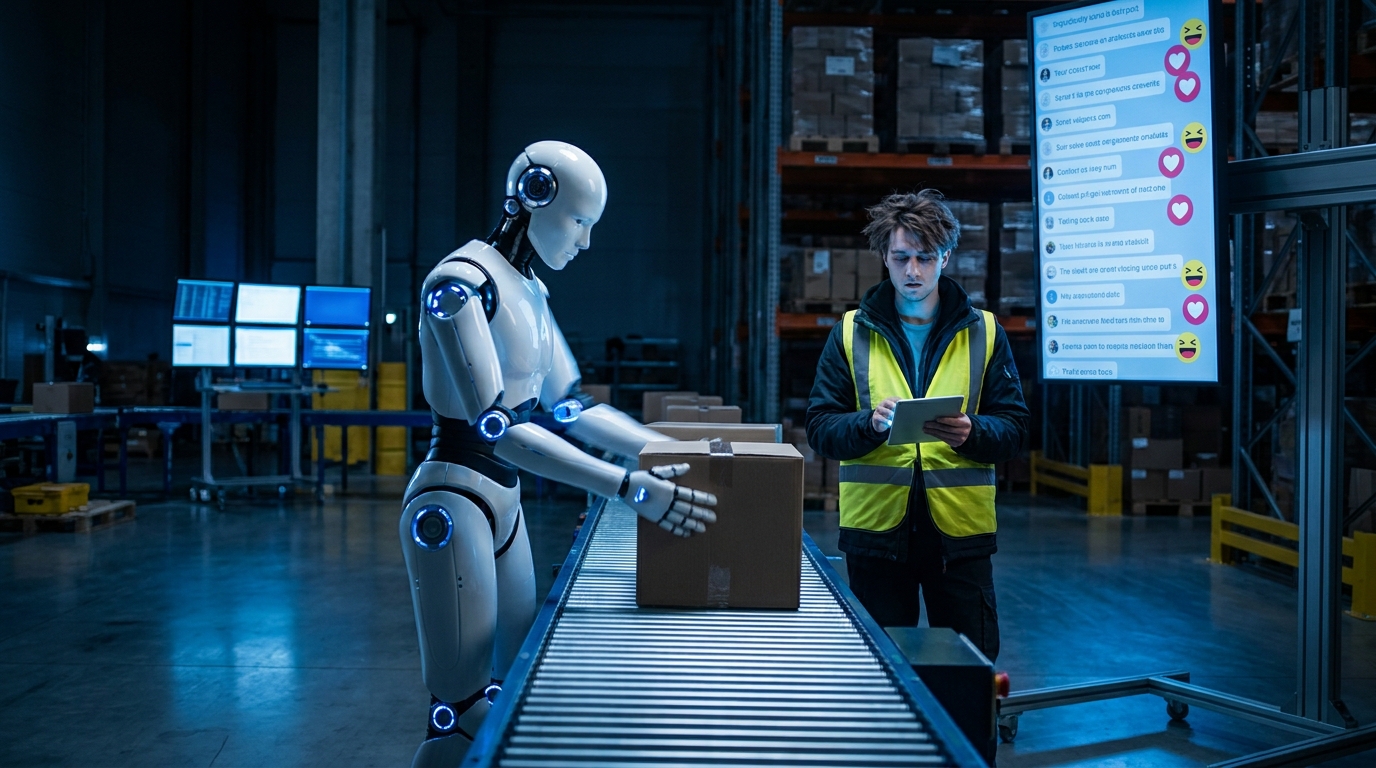
    You are not imagining it. Most of the robot coverage in your feed really is useless. One clip shows a machine doing one perfect pick. Another shows a dramatic fail looped for laughs. Neither tells you what people actually want to know, which is simple: what does a human shift look like when a warehouse robot is right there beside a worker, moving boxes in real time? That is why the Figure AI robot warehouse live stream viral video is hitting such a nerve. It is not polished enough to feel like an ad, and it is not chaotic enough to feel fake. It just sits there and lets you watch. A robot handles packages. A human keeps pace nearby. Nothing explodes. Nobody gives a TED Talk. And somehow that makes it more gripping than most glossy AI demos, because for once you can actually see the future people keep arguing about.

    ⚡ In a Hurry? Key Takeaways

    • The Figure AI robot warehouse live stream viral video matters because it shows real side-by-side human and robot work, not a stitched promo reel.
    • If you are trying to understand warehouse automation, watch at least 10 to 15 uninterrupted minutes instead of short reposts on social media.
    • The value here is context. You can judge speed, repetition, handoffs, and worker proximity with your own eyes instead of relying on hype.

    Why this one clip is spreading so fast

    People are tired of abstract AI talk. Every day brings another headline about jobs, automation, and the future of work. But most of those stories are still oddly hard to picture.

    This stream fixes that. It gives viewers something concrete. You are watching real packages, a real workflow, and a real person sharing floor space with a machine that is supposed to represent the next phase of warehouse labor.

    That is the hook. It is not just “look, robot.” It is “look, robot next to intern.” That little contrast does a lot of work. It turns a broad debate into a visual one you can understand in seconds.

    What you are actually seeing in the warehouse stream

    The reason this footage works is that it is boring in the best possible way. The robot is not doing backflips. It is doing repetitive warehouse handling. That matters because repetitive handling is exactly the kind of task companies want to automate first.

    It shows pace, not promise

    A promo video can hide a thousand problems with careful editing. A live or long-form stream cannot. You start to notice things that polished clips usually skip:

    • How often the robot completes the same motion
    • Whether the handoff area stays organized
    • How close the human worker stands
    • Whether the machine needs constant correction
    • How steady the throughput feels over time

    Those details are the whole story. If you want to understand automation, consistency matters more than one flashy moment.

    It shows coexistence, not just replacement

    A lot of the online argument instantly jumps to one question: “Is the robot taking that person’s job?” Fair question. But the more immediate reality in clips like this is messier. The human and the robot are sharing a process. The worker is not gone. The machine is not fully independent. It is a live example of that awkward middle stage most industries go through first.

    That middle stage is what makes the stream interesting. It feels less like science fiction and more like a Tuesday afternoon that arrived a few years early.

    Why people are calling it background chaos

    Because it scratches two itches at once.

    First, it feeds the anxiety. You can project all your worries onto it. Is this efficient? Is this creepy? Is this progress? Is this just a very expensive forklift cousin with better posture?

    Second, it is strangely calming. Warehouses have rhythm. Repetition can be soothing. Once you stop trying to decode the future of labor every ten seconds, the clip turns into the kind of thing people leave on a second monitor while answering email.

    That mix is rare. Most viral tech videos are either all fear or all spectacle. This one lands in the middle, which is probably why people keep sharing it.

    What the stream answers that short social clips do not

    Short clips are built for reaction. This stream is better for judgment.

    If you only see a ten-second snippet, you will probably come away with a cartoon version of the story. Either “robots are useless” or “humans are doomed.” The longer video makes both takes feel too neat.

    Question 1: Is the robot fast?

    Sometimes yes, sometimes not in the way people expect. Robots can be impressively steady without looking especially dramatic. That steadiness is often more useful than speed bursts.

    Question 2: Does the human still matter?

    Absolutely. At least in what viewers can see from this kind of footage, the human remains part of the system. There is still oversight, spacing, adaptation, and all the small decisions warehouses run on.

    Question 3: Is this the future?

    It is probably a piece of it. Not the whole thing. One stream cannot tell you how well this scales across different sites, shift conditions, package types, maintenance schedules, or safety rules. But it does show that the future is likely to look less cinematic and more procedural than people imagine.

    How to watch it without getting fooled by the hype

    If you want to get something useful from the Figure AI robot warehouse live stream viral video, do not watch it like a fan cam or a doom post. Watch it like a workplace demo.

    Pay attention to repetition

    Can the robot repeat the same task cleanly over a longer span? That is more important than one perfect movement.

    Watch the human’s behavior

    Does the worker seem to adjust around the robot, or does the robot fit naturally into the worker’s flow? That can tell you a lot about where the burden still sits.

    Notice the dead time

    Moments where nothing much happens are useful. They show waiting, resets, spacing, and the natural friction that edited clips remove.

    Ignore the comment section for a minute

    The internet loves instant certainty. This is one of those cases where your own eyes are more helpful than the loudest quote-tweet.

    Why this matters beyond one viral video

    This is becoming the shared reference point people have been missing. When friends, coworkers, or family start talking about AI replacing warehouse jobs, most people do not have a real visual example in mind. Now they do.

    That is useful. Not because one stream settles the debate, but because it gives the debate a common object. Everyone can stop arguing about imaginary robots and start arguing about an actual one doing actual work.

    And honestly, that is a big improvement over the usual recycled footage of robot dogs, humanoids dancing, or staged lab demos with perfect lighting.

    At a Glance: Comparison

    Feature/Aspect Details Verdict
    Realism Longer-form footage of a robot and human sharing warehouse space, with repetitive package handling instead of cinematic editing. More useful than promo clips for judging what automation feels like day to day.
    Entertainment value Low drama, steady movement, and just enough tension to keep your eyes on it while you work. Oddly compelling background viewing.
    Job-replacement insight Shows collaboration and overlap more than instant one-to-one replacement. Helpful reality check, but not the final word on warehouse labor.

    Conclusion

    If you have felt buried under AI headlines that say a lot without showing much, this is the clip to watch. It is the sweet spot of 2026’s anxieties and curiosities in one tab: real robots, real packages, and a real person standing next to the machine that might one day replace them. That is why the Figure AI robot warehouse live stream viral video matters. It gives everyone the same reference point for this week’s “AI took my job” arguments, while also serving as weirdly soothing background footage you can leave on for half an hour without getting bored. In a week full of abstract claims, this is the rare video that lets you see the stakes with your own eyes. And once you do, the conversation gets a lot more real.

  • This AI ‘Minecraft City That Builds Itself’ Clip Just Became The Internet’s New Favorite Cozy Apocalypse

    This AI ‘Minecraft City That Builds Itself’ Clip Just Became The Internet’s New Favorite Cozy Apocalypse

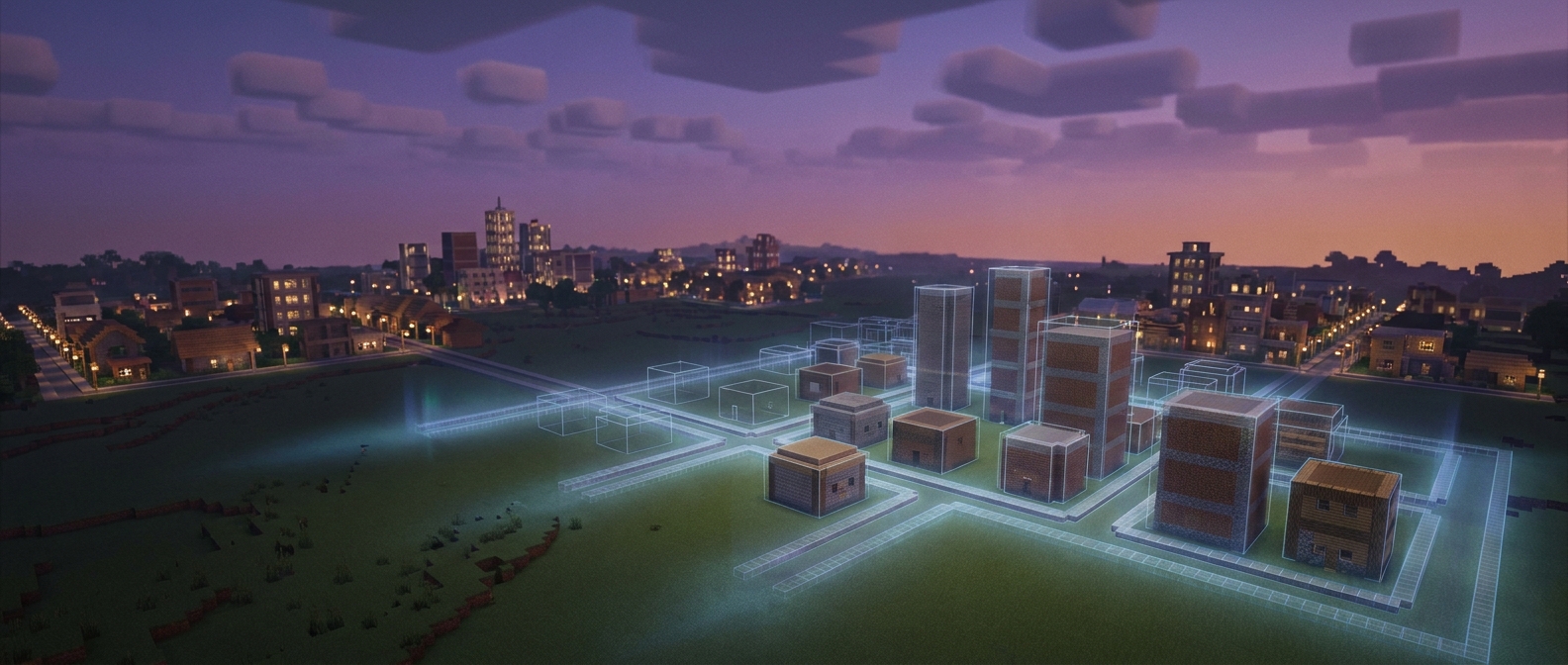
    If your feed has started to feel like a stress test, you are not alone. Every scroll right now seems packed with outrage, doom, and people talking at maximum volume. That is probably why this quiet, wordless ai minecraft city timelapse viral video has landed so hard. It is just a city building itself in Minecraft, block by block, street by street, with that oddly hypnotic pace that makes you stop scrolling instead of speed up. No yelling. No hot take. No fake urgency. Just the strange comfort of watching order appear out of digital chaos. The twist, and the reason people keep replaying it, is that it is not only soothing. It is also a little eerie. The city grows with no visible player running around, which turns a simple timelapse into something that feels half cozy, half end-of-the-world bedtime story. Honestly, that mood is doing a lot of heavy lifting for people today.

    ⚡ In a Hurry? Key Takeaways

    • This viral clip is a quiet Minecraft timelapse showing an AI-assisted city appearing on its own, and people love it because it feels calming and slightly creepy at the same time.
    • If you want the best version of the experience, watch the original short-form upload with the sound on, then avoid overexplainer reposts that kill the mood.
    • Do not treat every repost as proof of some new fully autonomous game AI. A lot of these clips mix automation tools, mods, editing, and smart presentation.

    What people are actually watching

    At the center of this mini internet moment is a deceptively simple clip. A Minecraft landscape starts mostly empty. Then structures begin to appear. Roads connect. Towers rise. The place slowly turns into a dense city without any obvious human builder on screen.

    That is the hook. It looks self-directed, almost like the world has decided to urbanize itself while nobody is around to stop it.

    Calling it an ai minecraft city timelapse viral video is not wrong, but it also needs a little translation for normal humans. In practice, “AI-assisted” online can mean a lot of things. It might be an automation system, a scripted building tool, a procedural generator, an AI planning layer, or simply a creator using software that speeds up design choices and then packaging the result as a smooth timelapse.

    That does not make it fake. It just means the magic is usually a mix of tech and editing, not a literal sentient mayor running Minecraft.

    Why this one feels bigger than a normal Minecraft clip

    Minecraft videos go viral all the time. So why this one?

    It is quiet in a loud week

    The first reason is timing. People are fried. When a clip asks nothing from you except to watch a city appear, it feels like a relief.

    It tells a story without saying a word

    Good short videos often work because your brain fills in the missing parts. Here, the missing part is huge. Who built this? Why is the city empty? What happens when it is done?

    That is why the comments quickly turn into lore. Some viewers see a cozy automation fantasy. Others see a post-human civilization simulator. Same blocks, very different vibes.

    It hits that sweet spot between clever and creepy

    This is the real secret sauce. If it were only a tech demo, fewer people would care. If it were only spooky, it would get lost among horror edits. But the mix is unusual. It is relaxing enough to loop and strange enough to talk about.

    So, is it really AI?

    Probably in the broad internet sense, yes. In the sci-fi robot architect sense, probably not.

    That is not me raining on the parade. It is just worth keeping your expectations grounded. Online creators often use “AI” as umbrella wording for anything that feels automated, generative, or unusually hands-off. In gaming clips, that can include pathfinding systems, procedural building logic, command blocks, world-editing tools, custom mods, or machine-learning-assisted planning.

    The reason this matters is simple. The clip is interesting because of the result, not because it proves the future arrived last Tuesday.

    If you enjoy it as a piece of creative internet art, you will probably have a better time than if you demand a technical white paper before allowing yourself to be impressed.

    What makes it so weirdly emotional

    This surprised a lot of people. You would think a block city growing in silence would be neat and then forgotten. Instead, viewers keep describing it as peaceful, lonely, dreamy, and even sad.

    That makes sense. Cities usually imply people. Noise. Traffic. Mess. But this one grows in silence. It feels like infrastructure without inhabitants, like the shell of a future waiting for someone to show up.

    That gap is what gives the clip its “cozy apocalypse” energy. It is not destruction. It is continuation. The systems are still working. The city still builds. Humans just seem strangely absent.

    If you want to watch it without ruining it

    A few practical tips.

    Find the earliest upload you can

    Once a short video catches fire, repost accounts rush in. The original usually has better pacing, cleaner compression, and less junk on top of the frame.

    Leave the sound on

    Even if there is no narration, the audio matters. A soft soundtrack or ambient sound can be half the reason the clip works.

    Do not overread the caption first

    The most fun version is seeing it cold. If you go in after reading ten comments about “the machine city after humanity,” your brain will only look for that one interpretation.

    Watch it twice

    The first watch is for the surprise. The second is when you notice the little choices in layout, rhythm, and scale that make it feel so polished.

    What this says about the internet right now

    Honestly, it says people are tired.

    Not bored. Tired. There is a difference. We are surrounded by clips that try to grab us by the collar. This one wins by doing the opposite. It offers a few seconds of control, pattern, and calm.

    That does not mean everyone suddenly wants only peaceful content. It just means the pendulum may be swinging a bit. Viewers still like novelty, but they also want something that does not leave them feeling worse after watching it.

    That is why this viral moment feels bigger than Minecraft fandom. It is also about mood management. People are using short videos the way people once used aquarium screensavers.

    Should you care if you are not a Minecraft person?

    Yes, a little.

    You do not need to know crafting recipes or biome names to get this. The appeal is visual and emotional first, technical second. If anything, being outside the Minecraft bubble can make it more effective, because you are less likely to get stuck debating what mod or build method was used.

    Think of it less like “gaming content” and more like miniature architecture crossed with low-stakes sci-fi.

    At a Glance: Comparison

    Feature/Aspect Details Verdict
    Visual appeal Clean timelapse growth, satisfying structure placement, easy to follow even in short form. Excellent. Instantly watchable.
    Tech factor Likely a mix of AI-assisted planning, automation tools, or mods rather than a totally autonomous system. Impressive, but do not confuse it with magic.
    Mood Peaceful on the surface, faintly unsettling underneath. Feels like cozy dystopia. This is why people keep sharing it.

    Conclusion

    Today’s feeds are a mess of hot takes and half-baked outrage, so it makes sense that people are clinging to a clip that does the opposite. This AI-assisted Minecraft city build is not just technically neat. It is calming, a little haunting, and strangely easy to watch on loop without regretting the time you spent on it. That is rare. The comments are already turning it into a tiny myth about what happens when the city finally finishes itself, which is half the fun. And catching it now, while the original TikTok and YouTube Shorts are still climbing and before bigger outlets flatten it into a generic tech debate, gives you one of those small internet moments that still feels shared and fresh. If your brain needs a reset, this is a much better rabbit hole than most of what your feed is trying to hand you today.

  • This Atlanta Airport ‘Moving Walkway Serenade’ Just Became The Internet’s New Favorite Layover Fever Dream

    This Atlanta Airport ‘Moving Walkway Serenade’ Just Became The Internet’s New Favorite Layover Fever Dream

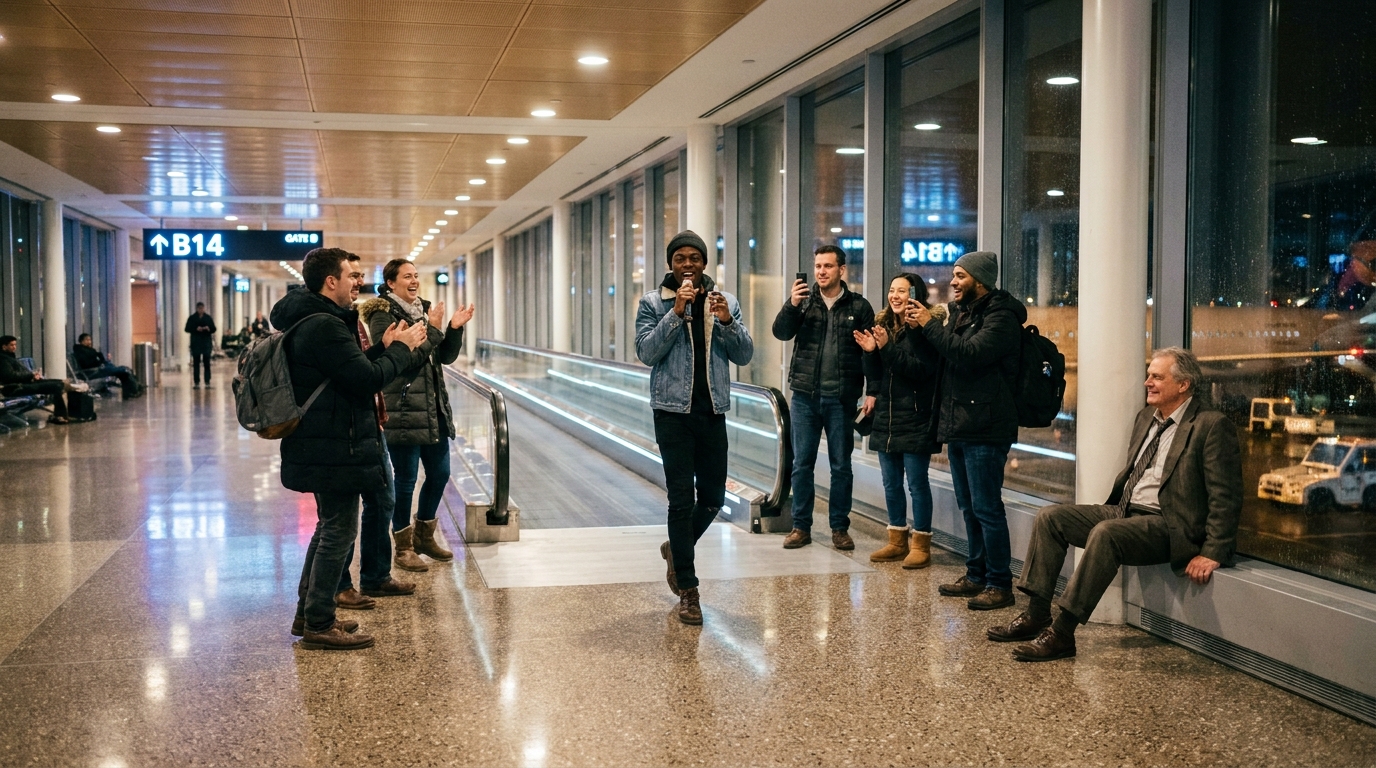
    Your feed is probably exhausted right now. Too many clips are built to make you mad, pick a side or argue with strangers before breakfast. So when a video pops up that is simply weird, funny and oddly wholesome, it stands out fast. That is exactly why the viral moving walkway airport serenade video is blowing up. The clip shows a stranded musician at Atlanta airport turning a quiet moving walkway into his own rolling stage, belting out an R&B-style serenade while travelers become an accidental audience. It feels like a layover hallucination in the best way. Nobody is being humiliated. Nobody is throwing punches in the comments. It is just one of those rare internet moments where the chaos feels shared instead of toxic. And honestly, that may be why people keep replaying it. It gives you something fun to send to the group chat that will not start a fight.

    ⚡ In a Hurry? Key Takeaways

    • The viral moving walkway airport serenade video is taking off because it is playful, harmless and genuinely funny.
    • If you want content people actually enjoy sharing, look for clips that create a shared joke instead of a public shaming moment.
    • The big value here is simple: it reminds everyone that filming in public does not always have to turn into conflict bait.

    What actually happens in the clip

    The setup is simple, which is part of the magic. A musician, reportedly stranded at Atlanta airport, uses the moving walkway like it was installed by destiny for one purpose only. Performance.

    He steps into that long, humming airport tunnel and starts singing like he is in the final scene of a music video. The walkway does half the work for him. It glides him forward with perfect dramatic pacing while nearby passengers react in real time.

    That is the whole trick. It turns a boring piece of travel infrastructure into a stage. No lights. No backup dancers. Just fluorescent airport lighting, rolling luggage and pure commitment.

    Why this one feels different from the usual viral mess

    A lot of viral clips run on embarrassment. Someone gets caught doing something awkward, rude or wildly out of pocket, and the internet feasts on it. This one works differently.

    It is chaotic, but not mean

    The humor comes from the situation, not from tearing somebody apart. The singer is in on the joke. The people around him are part of a spontaneous little moment. Viewers get to laugh without feeling like they are watching someone have the worst day of their life.

    It feels familiar

    Airports already feel unreal. Time moves strangely. Everyone is tired. Nobody is dressed for the same climate. A moving walkway serenade somehow fits that mood perfectly. It feels like the kind of thing that should happen in a place where breakfast can cost $19 and your gate changes three times in an hour.

    It is easy to replay

    Some videos are one-and-done. You get the joke and move on. This one has repeat value because the setting keeps adding to the bit. Every extra traveler in the background makes it funnier. Every second the walkway keeps carrying him forward makes it better.

    Why Atlanta airport is the perfect stage for this

    If you were going to pick one airport for a random performance to go viral, Atlanta makes a lot of sense. It is busy, huge and full of the kind of long corridors that make people question their cardio. A moving walkway there is not just a convenience. It is basically a conveyor belt for main-character energy.

    That matters because the setting is doing comic work here too. A sidewalk performance is normal. A train station song is common. But an R&B performance drifting down an airport walkway feels just absurd enough to be unforgettable.

    What creators can learn from it

    If you make videos, this clip is a good reminder that you do not need a giant production to make something memorable. You need timing, commitment and a setting people instantly recognize.

    Boring places can be the whole joke

    The airport is not a backdrop you ignore. It is the engine of the bit. The contrast between a dull travel space and full-performance energy is what makes people stop scrolling.

    Shared humor travels farther than rage

    Outrage spreads fast, but it also burns people out. A clip like this lasts because it gives people a break. It is a better kind of share. More, “you have to see this,” and less, “can you believe this disaster?”

    Low stakes can still feel big

    No scandal is attached. No big debate is required. But because the performance is so committed, it still feels event-sized. That is a useful lesson for anyone trying to make content people actually enjoy.

    Why people are calling it a layover fever dream

    Because that is exactly the vibe. Airports already blur reality a little. You are half awake, carrying snacks you panic-bought, checking your phone every six minutes and wondering if time still exists. Then suddenly someone turns the moving walkway into a concert runway.

    It feels like the sort of thing you would try to explain later and nobody would believe unless you had video. That “did I really just see that?” energy is rocket fuel for virality.

    Is it just a funny clip, or does it say something bigger?

    Both. It is a funny clip first, and that is important. Not everything online needs to become a culture war homework assignment. But it also shows what people are hungry for right now.

    They want public moments that do not end in a fight. They want weirdness without cruelty. They want a camera-phone clip that feels like a tiny shared memory, not evidence in a trial.

    That is why the viral moving walkway airport serenade video matters more than its 30 or 40 seconds might suggest. It scratches an itch the internet has not been good at scratching lately.

    Should we expect copycats?

    Absolutely. And some of them will be terrible.

    That is usually how these things go. One spontaneous, joyful moment appears, and then ten people try to recreate it with less charm and more planning. The difference will come down to whether they understand what made this one work.

    It was not just singing in public. It was the contrast, the confidence and the total randomness of the setting. If future creators push too hard, it will feel staged in the bad way. If they keep it light and self-aware, they may catch some of the same spark.

    At a Glance: Comparison

    Feature/Aspect Details Verdict
    Shareability Short, funny and easy to understand without backstory. Excellent group chat material
    Tone Playful and public, but not cruel or confrontational. Refreshingly harmless
    Creative takeaway Shows how an ordinary space can become a memorable stage with the right performance. A smart template for creators

    Conclusion

    Sometimes the internet still gets one right. Today’s runaway clip of a stranded musician turning a dead-silent airport moving walkway into a full-blown R&B serenade hits the sweet spot people have been begging for. It is public but harmless, funny without punching down and just chaotic enough to feel like you had front-row seats to a glitch in everyday life. Breaking it down now is useful because it helps people reconnect with the fun side of going viral, gives creators a fresh template for turning boring spaces into instant stages and reminds everybody that not every camera-in-public moment has to end in a confrontation or a thinkpiece. Some clips are just here to make your layover, and your timeline, a little better.

  • This Minnesota Teen’s Solo Graduation Video Just Became The Internet’s New Favorite ‘I Made It Anyway’ Moment

    This Minnesota Teen’s Solo Graduation Video Just Became The Internet’s New Favorite ‘I Made It Anyway’ Moment

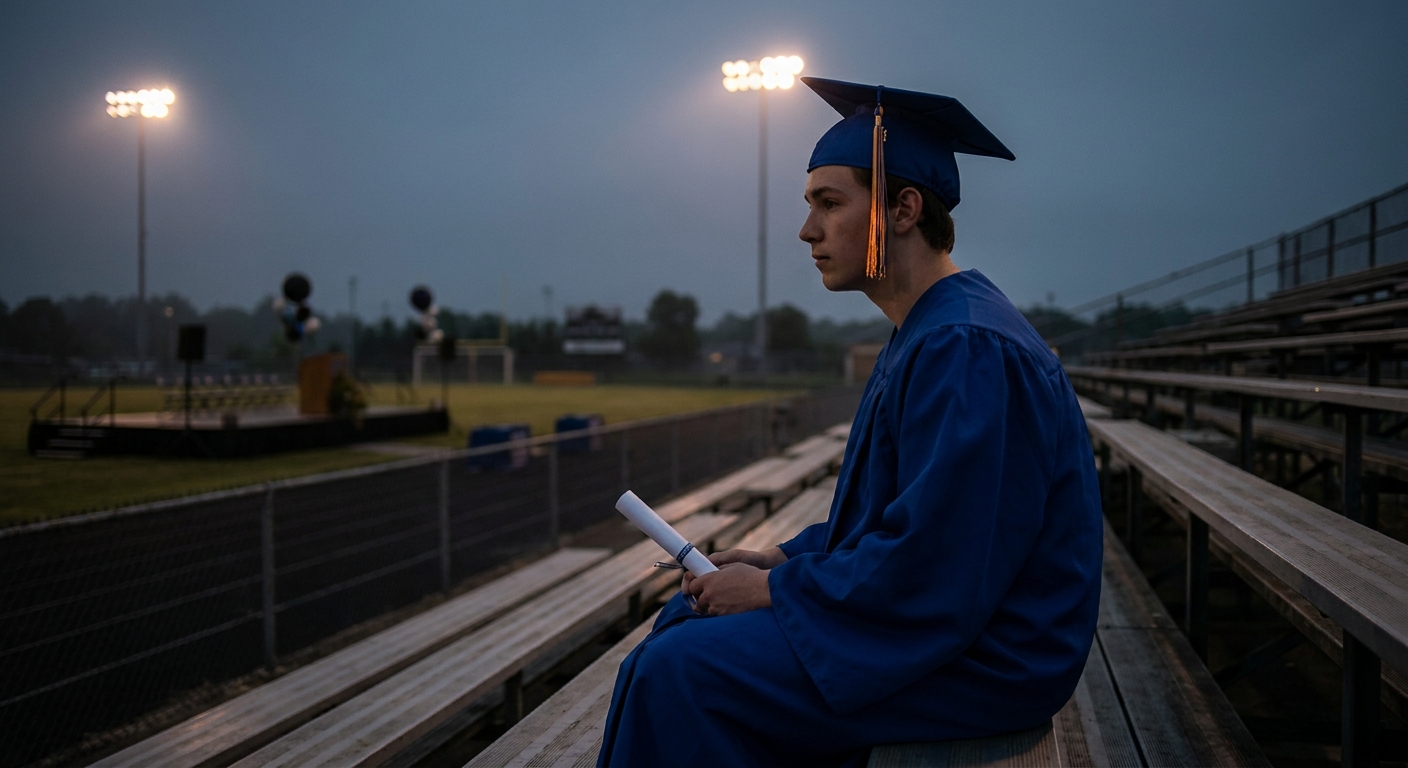
    If your social feed has started to feel like one long parade of noise, fake outrage, and people doing backflips for attention, this video lands differently. A Minnesota teen’s solo graduation TikTok viral video is making people stop scrolling because it taps into a very real ache. He walks into graduation without family or familiar faces in the crowd, and somehow that quiet moment hits harder than half the polished “inspiration” clips online. It hurts to watch. It also feels strangely hopeful. Millions of people are now reacting to the post, not because it’s flashy, but because it’s honest. Strangers are sharing their own stories about empty seats, missed milestones, and learning to celebrate themselves when nobody else did. If you’ve ever had a big day feel smaller than it should have, this clip probably gets under your skin fast. That’s exactly why it’s spreading.

    ⚡ In a Hurry? Key Takeaways

    • This Minnesota teen solo graduation TikTok viral video is blowing up because it shows a painfully real milestone moment without any staged drama.
    • If you watch it, go to the comments too. That’s where a lot of the real story lives, with people sharing support, advice, and similar experiences.
    • Be careful before sending money or gifts directly through social media. Kindness is great, but it’s smart to verify details first.

    What happened in the video

    The clip is simple, and that’s a big part of why it works. A Minnesota teen heads into graduation alone. No cheering section. No obvious family support in the seats. No dramatic music trying to tell you what to feel.

    It’s just one of those moments where the silence says everything.

    That raw setup turned the TikTok into something much bigger than a graduation post. It became a mirror. People saw their own stories in it. Some remembered birthdays nobody came to. Others remembered school events, sports games, recitals, or award nights where they looked into the crowd and found no one.

    That shared feeling is what pushed this from “sad clip” into “internet-wide emotional event.”

    Why this is hitting so hard right now

    People are tired. Not just tired of bad news, but tired of content that feels engineered within an inch of its life. A lot of viral posts are built to bait reactions. This one feels like the opposite.

    There’s no prank. No stunt. No product placement. No “wait for the twist.” Just a kid making it through a major life moment under rough emotional circumstances.

    That kind of honesty travels fast online because it gives people something rare. It gives them room to feel.

    It feels personal, not performative

    When a video looks too polished, people keep one eyebrow raised. Here, the vulnerability is the point. You’re not being sold anything. You’re being let into a moment most people would rather hide.

    That tends to break through the algorithm because viewers don’t just watch. They comment. They tag friends. They share their own stories. They come back and read responses.

    The comments became part of the story

    This is one of those posts where the comment section matters almost as much as the video itself. Strangers are basically stepping in as honorary family. Some are offering congratulations. Some are sharing practical tips for college and financial aid. Others are asking whether they can send a small graduation gift.

    It turns the internet, at least for a minute, into the thing we wish it was more often.

    The backstory people are looking for

    Part of the reason viewers keep searching for the Minnesota teen solo graduation TikTok viral video is that they want context. Who filmed it? How did it get posted? Was the teen okay afterward?

    That curiosity makes sense. When a clip feels this personal, people want to know what happened before and after the camera rolled. In cases like this, the original post often takes off first, and the fuller story gets pieced together through follow-up comments, stitched videos, reposts, and news coverage.

    That’s also why it helps to check the original upload if you can find it. Often, creators or people close to them add clarifying details in replies that never make it into screenshots floating around other platforms.

    Where to find the video without digging forever

    If you’re trying to track it down, search the exact phrase Minnesota teen solo graduation TikTok viral video on TikTok, Google, or your preferred social app. That should pull up reposts, commentary videos, and any follow-up coverage tied to the original clip.

    If you land on a repost account, take an extra minute to look for the source. The original comments usually have the most useful context and the least amount of weird internet telephone.

    Comment highlights that people keep talking about

    The most powerful reactions are not the usual one-line “crying” comments. They’re mini life stories.

    “This happened to me too” posts

    These are everywhere under the video. People are opening up about graduations, weddings, hospital stays, and big milestones where they expected support and got silence instead.

    That kind of response tells you this clip struck a nerve that was already there.

    Advice from strangers who’ve been through it

    Some commenters are trying to turn empathy into something useful. They’re posting tips about scholarships, campus jobs, community resources, and what to do if you’re heading into adulthood with very little support.

    That’s a pretty meaningful shift. The internet didn’t just say “sorry.” It started trying to help.

    Offers of gifts and money

    This is the sweetest part of the response, but also the part where people should slow down a little. Generosity is good. Blind generosity on social media can get messy fast.

    If verified links or trusted fundraisers appear, great. If not, it’s okay to show support through comments, shares, and encouragement until details are clearer.

    Why the algorithm loves this kind of clip

    There’s a simple reason vulnerable videos like this rocket across TikTok. They trigger long watch times and strong engagement without needing flashy editing.

    People watch all the way through because they’re trying to read the situation. Then they scroll the comments because they want more context. Then they interact because the clip touches something personal.

    That sequence matters.

    On platforms like TikTok, a video does well when people don’t just glance at it. They stay with it. They respond to it. They send it to someone with a message like, “This made me think of us,” or “I know this feeling.”

    That’s exactly the kind of engagement this video generates.

    What makes this different from the usual viral cycle

    Most big viral moments burn hot and vanish because there’s nothing underneath them. This one has substance. It gives people a chance to process loneliness, pride, resilience, and the strange comfort of being seen by strangers.

    That is not nothing.

    It also helps explain why this story doesn’t feel like recycled feel-good bait. The tension is real. You’re watching someone hit a milestone while carrying the weight of being alone in that moment. But you’re also watching the internet answer back with, “We see you.”

    If this video stirred something up for you

    A lot of people are reacting strongly because the clip brings up old hurt. If that’s you, you’re not overreacting. Milestone memories stick around.

    Sometimes a one-minute TikTok opens a door you thought was closed years ago.

    If you feel that punch in the chest, a few simple things can help:

    Name the memory

    Try to be specific. Was it graduation? A birthday? A school event? Putting a name to it can make the feeling easier to handle.

    Talk to one person you trust

    You do not need to turn it into a huge emotional project. Just tell someone, “This video reminded me of something hard.” That alone can take some pressure off.

    Celebrate your younger self a little

    This may sound small, but it matters. Acknowledge that you made it through something painful. That younger version of you deserved support. So do you now.

    At a Glance: Comparison

    Feature/Aspect Details Verdict
    What makes it viral Raw vulnerability, a major life milestone, and a comment section full of deeply personal reactions More meaningful than the average viral clip
    Viewer takeaway People are not just watching. They’re processing their own memories and offering support Emotionally heavy, but worth your time
    Best way to engage Watch the original post if possible, read the comments, and be thoughtful before sending money or gifts Supportive and smart is the right mix

    Conclusion

    This story is landing so hard because it cuts against everything exhausting about the modern feed. No prank. No stunt. No brand trying to ride the moment. Just a Minnesota teen walking into graduation without a single familiar face there for him, and then millions of strangers showing up afterward in the only way they could. That strange mix of heartbreak and solidarity is exactly why the video matters. It gives people a place to feel something real, to share their own “no one came for me” stories, and to remember that support sometimes arrives late, but it still counts. If you only watch one viral clip today, make it this one. Not because it’s trendy, but because it reminds you the internet can still be human when it wants to be.

  • This Beach Proposal ‘NPC Glitch’ Clip Just Became The Internet’s New Favorite Secondhand-Embarrassment Replay

    This Beach Proposal ‘NPC Glitch’ Clip Just Became The Internet’s New Favorite Secondhand-Embarrassment Replay

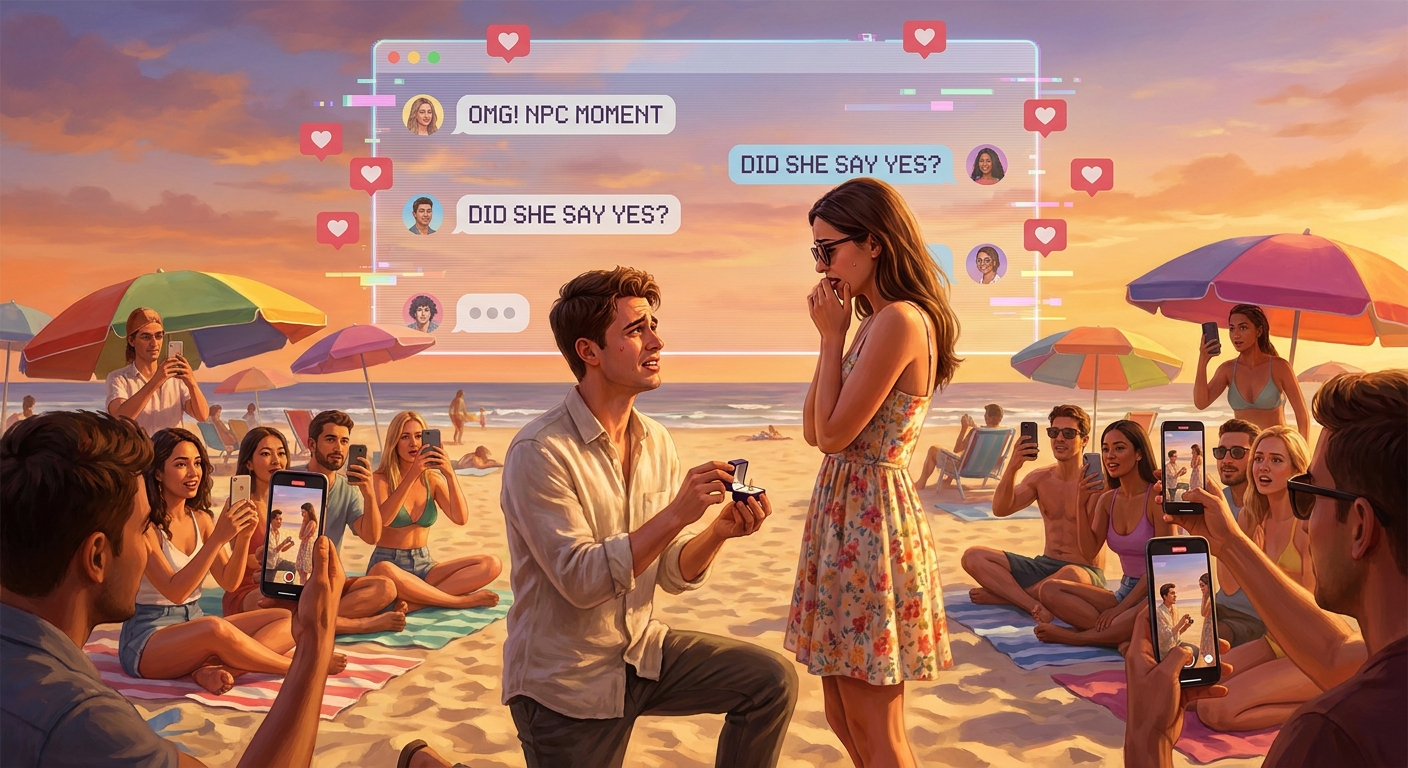
    You know the drill. You open TikTok for a two-minute brain break, and suddenly your whole feed is one beach clip, five reaction videos, and twelve people saying “NPC glitch” like everyone was present for the original event. Meanwhile, you are sitting there trying to figure out one basic thing. What actually happened? The viral beach proposal NPC glitch video took off because it hits three internet sweet spots at once. Public romance, possible cringe, and just enough weird body-language energy to make people argue about whether it was real, staged, or comedy on purpose. That is why the clip exploded so fast. People are not just watching it. They are picking a side. The short version is this. A beach proposal clip started circulating, viewers fixated on one person’s oddly stiff, repetitive, almost game-character behavior, and the internet instantly turned it into a replayable secondhand-embarrassment event.

    ⚡ In a Hurry? Key Takeaways

    • The viral beach proposal NPC glitch video blew up because viewers could not agree if it was painfully real, performance art, or a very online joke.
    • If you are lost in the reaction-video fog, go back to the earliest upload you can find before trusting stitched commentary.
    • The real value here is not just the cringe. It shows how quickly the internet turns awkward human moments into crowd-sourced entertainment.

    What people mean by the “NPC glitch” part

    If you have managed to avoid this phrase until now, “NPC” means “non-playable character,” a video game term for background characters who repeat canned actions or lines.

    Online, people use it when someone seems oddly robotic, overly performative, or stuck in a weird loop. In this clip, viewers zoomed in on the proposal setup and one person’s movements and reactions felt so unnatural that the comments immediately went there. Not gently, either.

    That label is half the reason the viral beach proposal NPC glitch video spread. It gave everyone a ready-made joke format. Once a clip gets a nickname, it stops being just a clip. It becomes a meme.

    So what actually happened in the clip?

    The basic setup is simple. A beach proposal scene is filmed in a very social-media-friendly way. You have the scenic backdrop, the emotional stakes, and the sense that everyone involved knows a camera is part of the moment.

    Then comes the part people cannot stop replaying. One person in the scene appears to move or react in a way viewers describe as stiff, delayed, repeated, or just plain off. That tiny moment hijacked the whole proposal. Instead of talking about romance, the internet started asking whether they had just watched a real proposal, a skit, or some accidental performance-art masterpiece.

    That is why the reactions split so hard. Some people saw full-body cringe. Others saw intentional comedy. A third group did what the internet always does. They ignored the proposal itself and started making remixes.

    Why this spread so fast

    It is short enough to loop

    The most viral clips are often the ones that make you rewatch before you even understand why. This one has that quality. You watch it once for the proposal. You watch it again for the “glitch.” By the third replay, you are reading comments and deciding whether everyone else is overreacting.

    It works for every kind of creator

    Reaction accounts get easy content. Comedy creators can parody it. Body-language experts, self-appointed or otherwise, can “analyze” it. Even people who hate viral culture end up posting about it because it annoys them. That is a strong recipe for algorithmic chaos.

    It sits right on the line between sincere and staged

    That line is where a lot of modern internet culture lives now. The viral beach proposal NPC glitch video feels built for debate because almost nobody trusts polished emotional content at first glance anymore. If a moment looks too neat, too cinematic, or too perfectly captured, viewers start scanning for the bit.

    Why people are calling it cringe, and why others think that misses the point

    The “cringe” camp sees a public proposal with visible awareness of the camera and a moment awkward enough to eclipse the romance. To them, it is another example of private emotions being turned into content.

    The “actually brilliant” camp thinks the discomfort is the whole joke, or at least the whole engine. They argue that whether it was planned or not, the clip perfectly captures how people now perform emotion differently when they know an audience might be watching later.

    Both readings can be true enough to keep a clip alive. The internet loves content that lets people argue about intention more than facts.

    What this says about life “for the feed”

    This is the part more interesting than the meme itself. We are now used to seeing life through camera-friendly staging. Vacations, engagements, birthdays, even small surprise moments often come with a best-angle instinct built in.

    That does not automatically make them fake. It does change how they are read.

    Once a moment is framed for sharing, the audience becomes part of the event. Viewers are no longer passive. They judge pacing, authenticity, body language, and whether the emotional beat landed. In other words, a proposal is not just a proposal online. It is also a performance review.

    That is what the viral beach proposal NPC glitch video really taps into. Not just embarrassment, but the strange pressure of making real life look legible to strangers.

    If you want the real story, here’s the smart way to watch trends like this

    Start with the earliest source you can find

    Most people do the opposite. They see the sixth repost, then a stitch, then a joke recap, and by that point the internet has already rewritten the event. If you care what happened, go backward.

    Separate the clip from the commentary

    A lot of viral moments feel bigger or harsher because the commentary tells you how to feel before you watch. “This is humiliating.” “This is fake.” “This is genius.” Try watching cold if you can.

    Look for creators adding something, not just farming views

    The best part of these trend cycles is often the smaller creators who spot the social pattern or make an actually funny remix. The worst part is lazy repost accounts that strip context and cash in on confusion.

    Who got buried under the repost pile?

    As usual, once the clip caught fire, dozens of accounts reposted it with louder captions than the original. That tends to bury the people doing the only useful work in the cycle. The thoughtful breakdowns. The sharp parodies. The people pointing out why the clip feels so uncanny without just mocking everyone in it.

    If you are following this trend, those are the creators worth rewarding with your time. Not the accounts slapping “OMG” on a screen recording.

    At a Glance: Comparison

    Feature/Aspect Details Verdict
    What happened A beach proposal clip went viral after viewers fixated on a strange, robotic-looking reaction or movement in the scene. Simple moment, huge meme potential.
    Why people care It blends romance, awkwardness, and the question of whether online moments are sincere or staged. That debate is what keeps it alive.
    Best way to watch Find the original clip first, then sample the funniest or smartest reactions after. You will understand the joke faster and avoid bad repost sludge.

    Conclusion

    The viral beach proposal NPC glitch video is exactly the kind of internet mess that fractures into a hundred opinions before most people even find the original upload. Half the crowd sees the cringiest public stunt of the summer. The other half sees an accidental comic masterpiece, or maybe a very smart bit. Either way, the useful takeaway is bigger than one awkward beach moment. It shows how heavily online life now asks people to stage, frame, and package even their most personal scenes for strangers. Once you see that, the clip becomes less about dunking on one proposal and more about understanding the weird social rules we all keep absorbing from the feed. And if you can skip the outrage treadmill long enough to watch the source, you might even find the funniest and smartest voices were never the biggest repost accounts in the first place.

  • This ‘Scientology Speedrun’ Lobby Raid Just Became The Internet’s New Favorite What-Possessed-Them Challenge

    This ‘Scientology Speedrun’ Lobby Raid Just Became The Internet’s New Favorite What-Possessed-Them Challenge

    If your social feeds have felt like one long copy-paste lately, you are not imagining it. So when a truly bizarre trend suddenly cuts through the noise, it can feel impossible to catch up before the clips vanish, get deleted, or turn into a messy rumor pile. That is exactly what happened with the Scientology speedrunning viral TikTok video. A few creators started filming themselves rushing into Church of Scientology buildings and seeing how far they could get before security or staff stopped them. It borrowed the language of video game speedruns, but in real life, with real people, real property, and very real consequences. The result was instant internet fascination, quick platform takedowns, and growing police attention. If you just want the plain-English version of what happened, why people are talking about it, and why this trend crossed from “weird internet joke” into something riskier, here is the part worth knowing.

    ⚡ In a Hurry? Key Takeaways

    • The Scientology speedrunning viral TikTok video trend involves people filming themselves running into Scientology centers to see how deep they can get before being stopped.
    • If you see clips flying around, treat them as fast-moving internet spectacle, not a challenge to copy. Many videos are already being removed, and participants could face trespassing or harassment issues.
    • The bigger story is not just the prank. It is how quickly online joke culture can turn into real-world safety, legal, and privacy problems.

    What “Scientology speedrunning” actually is

    The idea is simple, which is probably part of why it spread so fast. A person walks into or rushes into a Church of Scientology location while recording on their phone. The “goal” is to get as far inside as possible before staff, security, or police step in.

    The name comes from video game speedrunning, where players try to finish a game or reach a goal in the shortest time possible. Online, that joke format got turned into a real-world stunt.

    That is also where the trouble starts. A video game run resets when it goes wrong. A real building does not. There are workers inside, security cameras, property rules, and sometimes confused bystanders who did not sign up to become part of someone else’s bit.

    Why the Scientology speedrunning viral TikTok video took off so fast

    It checks every box the algorithm likes. It is surprising. It is risky. It needs almost no explanation. And the phrase itself is absurd enough to make people stop scrolling.

    Even if you have never set foot in a Scientology center and know very little about the church, the clip format is easy to understand in two seconds. Someone runs in. Chaos follows. Comments flood in.

    That speed matters. Trends like this spread because they are visually obvious and easy to copy. The internet does not need a lot of context to turn a strange one-off clip into a “challenge.” Once that happens, copycats show up fast.

    What likely started the frenzy

    The first widely shared clips appear to have followed a now-familiar path. One creator posts a stunt. Other users repost it to TikTok, X, Reddit, and Instagram. Then reaction accounts and commentary channels strip away any original context and package it as the next wild thing everyone has to see.

    From there, the trend took on a life of its own. Some viewers treated it like a joke. Others saw it as harassment disguised as content. And because Scientology already carries years of public controversy and media attention, that added a layer of fascination many other prank targets would not have.

    That mix is what made the story travel. You had prank culture, anti-establishment energy, recognizable branding, and a format people could copy with a phone and bad judgment.

    Why platforms started removing clips

    This part is less mysterious than it looks. Major platforms are usually quick to act when a trend appears to encourage trespassing, targeted harassment, or dangerous behavior. A clip can be “viral” and still be removed if it breaks site rules.

    There is also the copycat problem. Once a stunt starts being framed as a challenge, moderation teams tend to step in faster. They have seen this movie before. One clip becomes ten. Ten becomes a hundred. Then someone gets hurt, arrested, or both.

    That is why you may have noticed people talking about the Scientology speedrunning viral TikTok video even when the original posts are hard to find. The discussion is staying up longer than the source material.

    Where the legal and safety issues come in

    It is not just “a prank”

    Walking into a public-facing lobby is one thing. Running through private property after being told to stop is another. Depending on the location and what happened in the video, participants could run into trespassing claims, disorderly conduct issues, or police involvement.

    And even before anything reaches that point, there is the human part. Front desk workers and security staff are not background actors. They are people doing a job, suddenly being pulled into a stunt for strangers online.

    Recording changes the stakes

    Filming for social media raises the temperature. The camera is not there by accident. It is part of the act. That can turn an awkward interruption into something that feels targeted or designed to provoke a reaction.

    Once viewers smell confrontation, the internet tends to reward escalation. That is the worst possible incentive structure for public behavior.

    The line between satire, protest, and harassment

    This is the part worth sitting with for a minute. The internet often treats all disruptive behavior as one big bucket. But there is a difference between commentary, protest, prank content, and harassment.

    Some people defending the trend argue that Scientology is a powerful, controversial organization and public mockery is fair game. Other people point out that barging into buildings and filming workers is not exactly smart civic action.

    Both reactions explain why this story blew up. It sits in an uncomfortable gray area where people project very different motives onto the same clip. One side sees anti-establishment humor. Another sees people chasing views by making random staff deal with chaos.

    That disagreement is the real story beneath the meme.

    Why this trend feels bigger than it probably is

    One of the weirdest things about internet culture is how a handful of clips can look like a national movement. In reality, many viral trends are tiny in the real world and huge on your phone.

    That seems true here too. A few videos, lots of reposts, and a catchy label can make something look far more common than it is. The phrase “Scientology speedrunning” is sticky enough that it creates the illusion of a giant wave, even if only a small number of people actually tried it.

    So if it feels like this came out of nowhere and swallowed your timeline, that is because virality often works like that. The meme spreads farther than the behavior itself.

    Should you go looking for the original clip?

    If your only goal is to understand the story, probably not. By the time a stunt like this becomes a mainstream talking point, the original video is often chopped up, reposted without context, or removed.

    You are better off understanding the pattern than hunting every fragment. A person filmed an intrusive challenge-style stunt inside Scientology locations. Others copied it. Platforms reacted. Debate followed.

    That is the important part. The rest is mostly internet archaeology.

    What to tell the non-terminally-online person in your life

    If a friend asks what this whole thing is about, the simplest version is this: people on TikTok started treating Scientology buildings like a real-world speedrun map, racing inside while filming until staff stopped them, and now the internet is arguing over whether it is comedy, protest, or plain harassment.

    That covers about 90 percent of the story without forcing anyone to sit through twelve reposts and a hundred screaming comments.

    My practical take

    As spectacle, it is easy to see why this went viral. As a behavior trend, it is dumb and likely to get worse the more attention it gets.

    We have seen this cycle over and over. The internet turns confrontation into entertainment. Then platforms remove the source clips, but not before imitators get the message that shock equals reach.

    If there is a useful takeaway here, it is not “here is the next challenge.” It is “here is how fast a joke format can become a real-world problem.” That is the part worth remembering after this week’s buzz dies off.

    At a Glance: Comparison

    Feature/Aspect Details Verdict
    What the trend is Creators rush into Scientology centers while filming to see how far they get before being stopped. Easy to explain, which helped it spread fast.
    Why it is controversial It mixes prank culture, trespassing concerns, filming of staff, and possible police involvement. More serious than the meme-y name makes it sound.
    What readers should do with this info Use it to understand the discourse, not to copy the challenge or chase deleted clips. Best treated as internet context, not inspiration.

    Conclusion

    The Scientology speedrunning viral TikTok video story is a perfect example of how fast a weird joke can turn into a full-blown internet event. A TikTok stunt called “Scientology speedrunning” has exploded this week, with creators filming themselves sprinting as deep as they can into Church of Scientology centers before being stopped, a direct riff on video game speedruns that is already drawing police attention and mass takedowns on the platforms. The value in following it now is simple. You get one clear place to understand what happened, why it escalated so quickly, and why the debate matters before the whole thing gets flattened into rumor, outrage, and half-remembered reposts. If nothing else, it is a good reminder that online trends can look silly on the surface and still create very real consequences offline.

  • This ‘Poop Pledge’ Concert Clip Just Became The Internet’s New Favorite Crowd-Control Meme

    This ‘Poop Pledge’ Concert Clip Just Became The Internet’s New Favorite Crowd-Control Meme

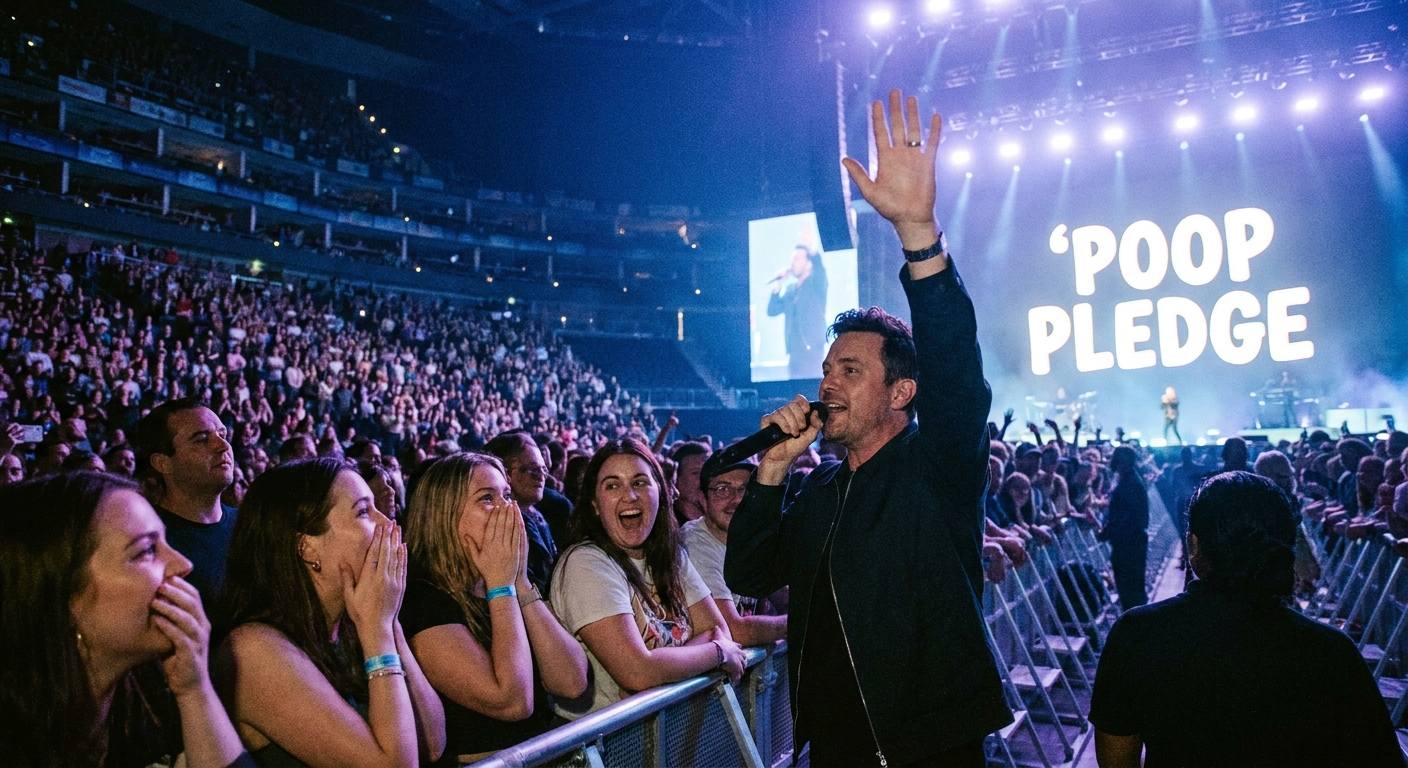
    If your feed suddenly turned into a very specific debate about concert etiquette, bodily functions, and Noah Kahan, you are not alone. A lot of people have been getting served random reaction videos without the actual source clip, which is honestly the most annoying way to experience a viral joke. Here is the clean version. The internet is obsessed with the Noah Kahan poop pledge concert video because it took one weird, funny bit from the stage and turned it into the perfect meme for crowd behavior, festival survival, and people who absolutely refuse to miss a song. The clip people keep sharing is Noah Kahan joking with the audience about making a “poop pledge,” and it has now escaped the concert world entirely. It is being used as a punchline for everything from office meetings to group chats. If you just want the context, the quote, and why everyone is remixing it, this is the part of the internet you needed.

    ⚡ In a Hurry? Key Takeaways

    • The Noah Kahan poop pledge concert video is the main clip behind the latest concert bathroom meme, not a bigger scandal than that.
    • If you want the joke to make sense, look for the original onstage clip first, then the stitches and duets. The reactions are funnier with context.
    • This is mostly a meme about crowd-control and concert survival. You do not need to doomscroll gross stories to understand it.

    What actually happened in the Noah Kahan poop pledge concert video

    The clip that kicked this off shows Noah Kahan talking to the crowd and jokingly asking for a kind of audience agreement, now being called the “poop pledge.” The bit landed because it hit a very real concert problem. People do not want to lose their spot. Venues get packed. Bathroom lines get ugly. Everyone pretends they can outsmart biology until they cannot.

    Instead of a dry announcement, the moment came off like a half-serious, half-chaotic public service message. That is why it spread. It was gross enough to grab attention, but still cleanly framed as a joke.

    Why this blew up so fast

    This meme took off because it works on two levels.

    Level one, it is instantly understandable

    You do not need to be a Noah Kahan fan to get it. Everyone understands the social contract of a crowded event. Hold your place. Do not create a scene. Try not to become the reason strangers have a story later.

    Level two, it is perfect remix material

    The phrase “poop pledge” sounds ridiculous on its own, which makes it incredibly reusable. TikTok and Instagram creators have been stitching the clip into videos about weddings, flights, classrooms, road trips, and friend groups that treat basic planning like an optional feature.

    That is usually the sign a viral clip has crossed over. It is no longer just about the original event. It becomes a format.

    The timeline, minus the nonsense

    Here is the short version most people actually need.

    First, the original concert clip starts circulating. Then reaction accounts repost it with little to no context. After that, stitches and duets begin piling on, usually with captions that make it sound even more dramatic than it was. Finally, the discourse machine kicks in, and suddenly your feed is full of people arguing about festival hygiene, fan behavior, and whether anyone should ever trust a general admission crowd again.

    The confusion comes from seeing step three before step one. That is why so many people feel like they walked into the middle of an inside joke.

    What was actually said onstage

    The exact wording may vary depending on which repost you see, because many clips are trimmed, captioned, or cut for reaction timing. But the spirit of it is consistent. Noah Kahan was jokingly trying to get the crowd on board with basic bodily responsibility during the show. It was less “public meltdown” and more “comedian notices a universal problem and says the quiet part out loud.”

    That distinction matters, because some reposts frame it like there was a major incident attached to the clip. The reason it got huge is not that something shocking happened on camera. The reason is that the joke itself was painfully relatable.

    Why people are calling it crowd-control now

    This is where the meme got smarter.

    People started treating the poop pledge as a funny shorthand for any rule a group should really agree to before things get messy. It now gets used for office norms, family vacations, bachelor parties, school pickup lines, and even group project etiquette. It is internet language for, “Can we please all act like adults for one hour?”

    That is why the clip has legs beyond the concert itself. It is not just bathroom humor. It is social contract humor.

    The best way to watch this without wasting an hour

    If your algorithm is feeding you fragments, do this in order:

    1. Find the original stage clip

    Watch the shortest unedited version first. You need the setup, the crowd reaction, and Noah Kahan’s tone. Without that, the reposts feel stranger than they really are.

    2. Watch a few top stitches or duets

    Once you have the source, the remixes make more sense. The best ones usually compare the “poop pledge” to other unspoken rules people break all the time.

    3. Skip the fake outrage posts

    A lot of viral commentary survives by acting shocked about things that were obviously jokes. If the caption feels more dramatic than the clip itself, trust the clip.

    Is there actually a deeper concert trend here?

    Sort of, yes.

    The meme is funny because it taps into a real shift in live event culture. Fans are spending more, planning more, and trying harder to maximize every second of a concert. That can produce some very weird behavior. People skip water, skip bathroom breaks, camp out for spots, and act like leaving for ten minutes is a personal failure.

    So while the Noah Kahan poop pledge concert video is a joke, it also landed because it poked at something real. The internet loves a meme that tells the truth in a dumb voice.

    If you just want to be “in on it,” here is the one-sentence explanation

    The Noah Kahan poop pledge concert video is a viral clip of Noah Kahan joking with the audience about basic bathroom behavior at a show, and the internet turned it into a crowd-control meme for any situation where people need to get it together.

    At a Glance: Comparison

    Feature/Aspect Details Verdict
    Original clip Noah Kahan making a joke onstage about concert bathroom behavior and a “poop pledge.” The only part you need first.
    Reaction videos Stitches, duets, and reposts that add commentary, fake drama, or broader crowd-etiquette jokes. Funny after you know the source.
    Why it matters It became a meme because it captures a real social problem in a ridiculous, shareable way. More cultural joke than actual controversy.

    Conclusion

    If you felt lost, that is normal. Most people did not see the Noah Kahan poop pledge concert video first. They saw the internet eating the joke alive in little pieces. The useful part is simple. Now you know what the clip was, what was actually said onstage, and why everyone keeps using it as shorthand for crowd-control chaos. That saves you from scrolling through a swamp of gross, context-free takes just to understand one meme. And honestly, that is the best outcome here. You get the joke, you skip the nonsense, and you can move on with your day fully caught up on the weirdest corner of concert discourse.

  • This Danville ‘Waist-High Pants’ Sidewalk Clip Just Became The Internet’s New Favorite Wholesome Campaign Ad

    This Danville ‘Waist-High Pants’ Sidewalk Clip Just Became The Internet’s New Favorite Wholesome Campaign Ad

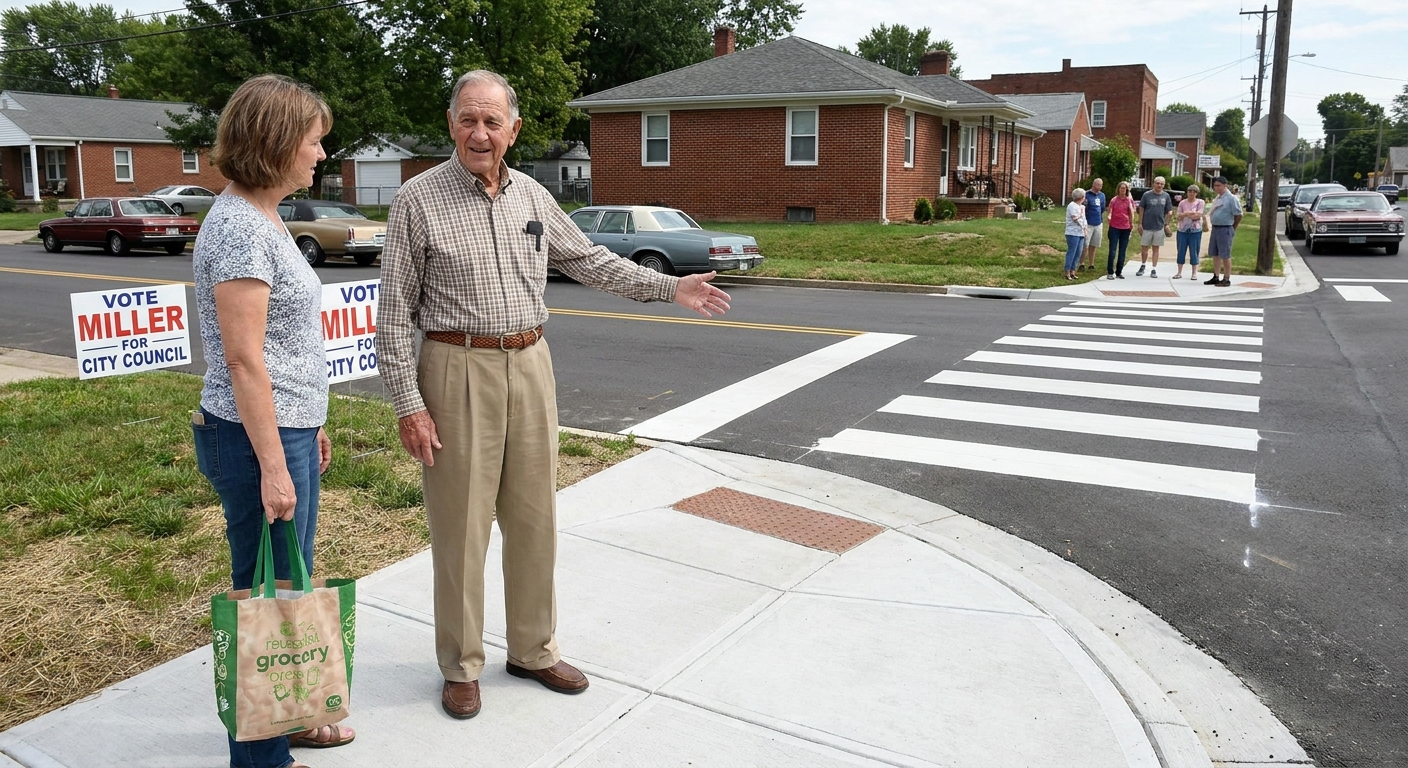
    You know the feeling. You open social media for one harmless scroll and get hit with another political clip built like a car crash. Someone is yelling. Someone is being exposed. The comments are on fire. So when the Danville councilman waist high pants viral sidewalk video started making the rounds, people stopped for a different reason. It was calm, specific, and weirdly lovely. A 78-year-old Danville councilman, dressed in the kind of famously high-waisted pants that instantly make the internet protective, was talking earnestly about sidewalks. Not culture war slogans. Not manufactured drama. Sidewalks. That tiny bit of sincerity is exactly why the clip is taking off. It feels human in a feed designed to make everyone feel terrible. And once you watch it, you get why group chats are passing it around like a needed palate cleanser instead of another argument starter.

    ⚡ In a Hurry? Key Takeaways

    • The Danville councilman waist high pants viral sidewalk video is blowing up because it feels sincere, local, and unexpectedly funny in a gentle way.
    • If you want to spot the next sleeper hit, look for clips that are oddly specific, easy to understand, and free of forced internet language.
    • This is a good reminder that not every viral political video is outrage bait. Some spread because people are simply relieved to like something.

    Why this clip is suddenly everywhere

    The short version is simple. A longtime Danville councilman appeared in a campaign-style video talking about the need for more sidewalks. He did it without trying to sound younger than he is, cooler than he is, or more dramatic than the subject deserved.

    That should not be rare. But online, it is.

    The internet noticed two things right away. First, the message was extremely grounded. Sidewalks are the most local issue imaginable. Second, the visual was unforgettable. The waist-high pants became part of the charm, not because people were mocking him, but because the whole package felt so unfiltered and real.

    People can smell a focus-grouped personality from a mile away. This felt like the opposite.

    What makes the Danville councilman waist high pants viral sidewalk video work

    1. It is specific in a way the brain loves

    “Improving infrastructure” is boring campaign language. “We need more sidewalks” paints a picture instantly. You can imagine kids walking to school, older neighbors getting around safely, and residents not having to play frogger with traffic just to take a walk.

    Specific beats vague almost every time online.

    2. It feels accidental, even if it was not

    The best viral clips often seem like they were never built in a lab. This one has that quality. It does not scream, “Please turn me into a meme.” It just exists. That makes people trust it more.

    Ironically, the less a video begs for attention, the more attention it can get.

    3. The tone is a relief

    A lot of political content spreads because it raises your blood pressure. This clip spreads because it lowers it. That is a different kind of share. You send outrage to argue. You send something like this to say, “Here. Watch this. It will make you feel better for 30 seconds.”

    4. The visual hook is instant

    Yes, the pants matter. Not in a mean way. In internet terms, they make the clip legible at a glance. Before anyone even hears the sidewalk pitch, they know they are looking at a character. A real one. The high-waisted look gives the video an old-school, neighborly energy that people latched onto right away.

    Why wholesome political content stands out so much now

    Because everything else is so exhausting.

    Most people are not walking around hungry for another screaming match disguised as news. They still want to know what people are talking about. They just do not want to pay for it with their mood every single time they open an app.

    That is why a clip like this can break through. It offers novelty without poison. It is unusual enough to share, but safe enough to enjoy. That combination is more powerful than it looks.

    And there is something else going on. People are starved for evidence that public life can still include earnest, practical adults discussing ordinary needs. A sidewalk is not glamorous. That is the point. It is a reminder that government can be about making daily life a little easier.

    What this says about how viral videos work now

    If you are trying to understand why one tiny local clip catches fire while slick national content dies on arrival, here is the useful lesson. Virality is often about emotional contrast.

    This video did not win by being louder. It won by being quieter.

    It also hit a sweet spot that a lot of sleeper hits share:

    • It is easy to explain in one sentence.
    • It has a clear visual identity.
    • It does not require background knowledge.
    • It gives viewers a feeling they want to pass along.

    That last point matters most. People do not just share information. They share moods.

    Is the internet laughing with him or at him?

    Mostly with him, which is an important distinction.

    There is always a risk that older public figures become the butt of the joke online. But the reaction here feels more affectionate than cruel. The waist-high pants are part of the story because they add personality, not because they turn him into a target.

    The affection comes from the fact that the video is not pretending. He looks like himself. He sounds like himself. He cares about a thing that actually affects people. Viewers respond to that kind of honesty, even when it arrives wrapped in unintentionally perfect internet aesthetics.

    Why sidewalks, of all things, connected

    Because sidewalks are one of those humble civic issues that quietly shape everyday life.

    If you have ever pushed a stroller along a shoulder, walked a dog near fast traffic, or watched an older relative avoid a route because it felt unsafe, you already understand the stakes. Sidewalks are not flashy, but they are deeply practical. They touch safety, mobility, exercise, and access all at once.

    That gives the clip a second layer. It is not just charming. It is also about something real.

    How to spot the next sleeper hit before everyone else does

    If you like catching the one clip that will quietly own tomorrow’s group chats, watch for these signs.

    Look for oddly specific stakes

    Videos about broad ideas often blur together. Videos about one strangely concrete problem stand out.

    Watch for people who are not performing “internet”

    When someone is clearly trying to game the timeline, viewers usually feel it. Genuine awkwardness often beats polished branding.

    Notice whether the clip changes your mood fast

    The best sleeper hits create an immediate emotional shift. You laugh, soften, relax, or get unexpectedly invested within seconds.

    Check if it is easy to retell

    If a friend can summarize it in one breath, it has legs. “You have to see this 78-year-old Danville councilman in high-waisted pants calmly campaigning for sidewalks” is a perfect example.

    At a Glance: Comparison

    Feature/Aspect Details Verdict
    Tone Calm, earnest, neighborly, and unintentionally funny Major reason it went viral
    Subject Matter A very local push for more sidewalks, which people instantly understand Specific enough to stick in memory
    Visual Hook The councilman’s famously high-waisted pants add personality and charm Makes the clip instantly recognizable

    Conclusion

    The Danville councilman waist high pants viral sidewalk video is a nice little reminder that the internet has not completely forgotten how to enjoy something gentle. Yes, people are tired of outrage bait. Yes, nobody wants to be the last one to hear about the clip everyone is quietly sharing tomorrow. That is why this one matters. It is a wholesome, oddly specific campaign ad about sidewalks, led by a cardiologist-aged local politician in unforgettable high-waisted pants, and somehow that is exactly the palate cleanser people needed. Better yet, once you see why it works, you get better at spotting the next small, sincere video that slips past the noise and takes over the group chat for all the right reasons.