Blog

  • This ‘2016 Is Back’ TikTok Mashup Just Became The Internet’s New Favorite ‘Wait, Why Am I Suddenly Nostalgic For Vine?’ Fever Dream

    This ‘2016 Is Back’ TikTok Mashup Just Became The Internet’s New Favorite ‘Wait, Why Am I Suddenly Nostalgic For Vine?’ Fever Dream

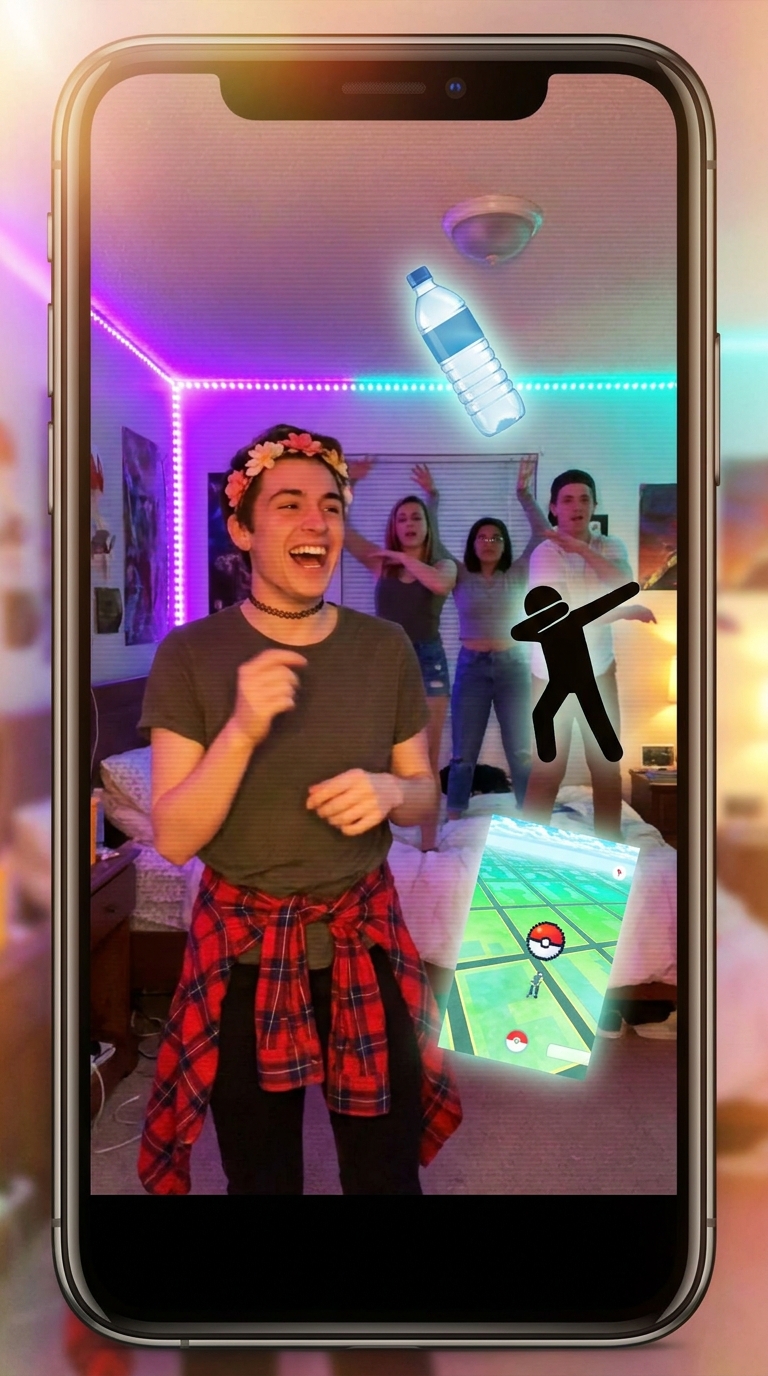
    You open TikTok for one harmless scroll and somehow end up buried under election clips, AI-made weirdness, brand accounts trying too hard, and three trends that already feel old. It is exhausting. So when a chaotic little “2016 is back” mashup suddenly cuts through all that noise, people latch on fast. This is the 2016 nostalgia TikTok viral video moment everyone is passing around because it feels like a glitch from a simpler internet. It mashes together the tone, sounds, jokes, and hyperactive energy of peak Vine-era online culture, then drops it into 2026 where everyone is weirdly emotional about it. The result is half joke, half time machine. More important, it gives people something fun to quote again. If your group chat keeps acting like you missed the main character of the day, this is probably the clip they mean. And yes, it really does trigger that “wait, why do I miss this?” feeling almost instantly.

    ⚡ In a Hurry? Key Takeaways

    • This viral 2016 throwback mashup is blowing up because it feels funny, messy, familiar, and very human in a feed full of heavy or fake-feeling content.
    • If you want to stay in the loop, search the sound, check reposts on TikTok and Reels, and save the clip before the next remix wave buries the original.
    • The real value is not just the joke. It is a rare internet moment people actually want to share with friends instead of argue about.

    Why this clip is suddenly everywhere

    Some viral videos take off because they are polished. This one took off because it is not. It feels homemade, fast, a little stupid, and completely aware of the internet it came from. That is a huge part of the appeal.

    The mashup taps into a very specific memory bank. Think Vine one-liners, over-the-top reaction energy, random sound bites, bad-but-good editing, and the feeling that the internet used to be more playful. Not better in every way. Just looser. Less filtered. Less optimized.

    That is why the clip is spreading so quickly across TikTok, Reels, and group chats. It does not ask you to learn a dance, decode lore, or care about influencer drama. You get the joke in seconds, and if you were online in the mid-2010s, you probably feel it in your chest a little too.

    What people mean by “2016 is back”

    It is not really about wanting to relive all of 2016. Nobody is asking for your old flower crown selfies back. What people are responding to is the style of internet from that period.

    The old internet vibe people miss

    Back then, short-form comedy felt accidental. A clip could be dumb, brilliant, and unforgettable all at once. The current feed often feels more calculated. Even funny videos can seem built by committee.

    This mashup works because it reminds people of when online humor felt more like friends trying to make each other laugh than creators trying to satisfy an algorithm.

    It is nostalgia, but not the fake kind

    There is a big difference between real nostalgia and content that is just dressed up to look retro. This clip lands because it feels emotionally true. It is weird, loud, a little cringe, and fully committed. That is exactly what made old Vine-era humor stick.

    Why it hits so hard in 2026

    Right now, a lot of people are tired. Tired of doomscrolling. Tired of synthetic-looking content. Tired of every trend turning into a sales pitch five minutes after it starts.

    So when a 2016 nostalgia TikTok viral video comes along and feels oddly personal, people notice. It is comfort food for your feed. It does not need to be deep. In fact, the lack of obvious seriousness is part of the relief.

    It also helps that the clip is instantly remixable. One person posts the original mashup. Another stitches it. Another lip-syncs the best line. Another uses the sound under a montage of old selfies, old phones, or screenshots from apps that no longer exist. Suddenly the joke becomes a shared language.

    How to find the original without getting lost in repost hell

    This part matters, because by the time a viral clip reaches your feed, you are often seeing a repost of a repost of a repost with the caption cropped off.

    Start with the sound

    If you see any version of the mashup, tap the sound and follow it back. TikTok usually gives you the fastest trail to the source, or at least the earliest version still circulating.

    Search smarter

    Try searches like “2016 is back mashup,” “Vine nostalgia TikTok,” and “2016 nostalgia TikTok viral video.” Add “original” if results look cluttered.

    Save the good version early

    Viral clips mutate fast. Captions change. Watermarks stack up. Audio gets swapped. If you find the version everyone is quoting, save it to your favorites or send it to yourself right away.

    Why your group chat cares about this one

    Because it is useful. Not in a boring productivity way. In a social way.

    You can drop this clip into a chat and people immediately have something to react to. Some will laugh. Some will start listing dead apps they miss. Some will quote an old Vine from memory like they were activated by a sleeper code. That is the magic.

    It gives everyone a break from the usual online script. No discourse required. No homework. Just recognition.

    Is this the start of another Vine-style nostalgia wave?

    Probably, at least for a bit. Once one throwback clip breaks through, platforms fill up with copycats, remixes, and “you had to be there” compilations. Some will be funny. Many will be lazy.

    The trick is not to confuse the first genuinely fun wave with the ten sponsored versions that come after it. The original spark here is that it feels spontaneous. Once brands get hold of it, the charm may disappear fast.

    Should you actually share it?

    Yes, if you want something light that still feels current. This is one of those rare viral moments where sending the clip does not make you look late or forced. It makes you look like you found the one thing online today that still has a pulse.

    Just do your friends a favor and send the cleanest version you can find. Nobody wants the one with five watermarks and a caption covering half the joke.

    At a Glance: Comparison

    Feature/Aspect Details Verdict
    Humor style Fast, chaotic, reference-heavy, and very Vine-coded Works instantly if you spent any time online in the mid-2010s
    Emotional pull Mixes irony with real nostalgia for a messier, more human internet Stronger than most throwback trends
    Shareability Easy to quote, remix, stitch, and drop into chats without much explanation Excellent. This is why it spread so fast

    Conclusion

    This is why the clip matters more than the average passing trend. A 2016 throwback mashup that suddenly explodes in 2026 hits a nerve because it is funny, oddly emotional, and easy to share at the exact moment people are craving something that does not feel heavy or machine-made. If you were looking for the one thing worth sending tonight, this is it. It gives you a way to show up in the chat with something human, weird, and in on the joke, instead of just forwarding whatever the algorithm pushed in front of you five minutes ago.
  • This TikTok ‘Airport Luggage Laser-Tag’ Clip Just Became The Internet’s New Favorite ‘How Did Nobody Get Fired For This?’ Fever Dream

    This TikTok ‘Airport Luggage Laser-Tag’ Clip Just Became The Internet’s New Favorite ‘How Did Nobody Get Fired For This?’ Fever Dream

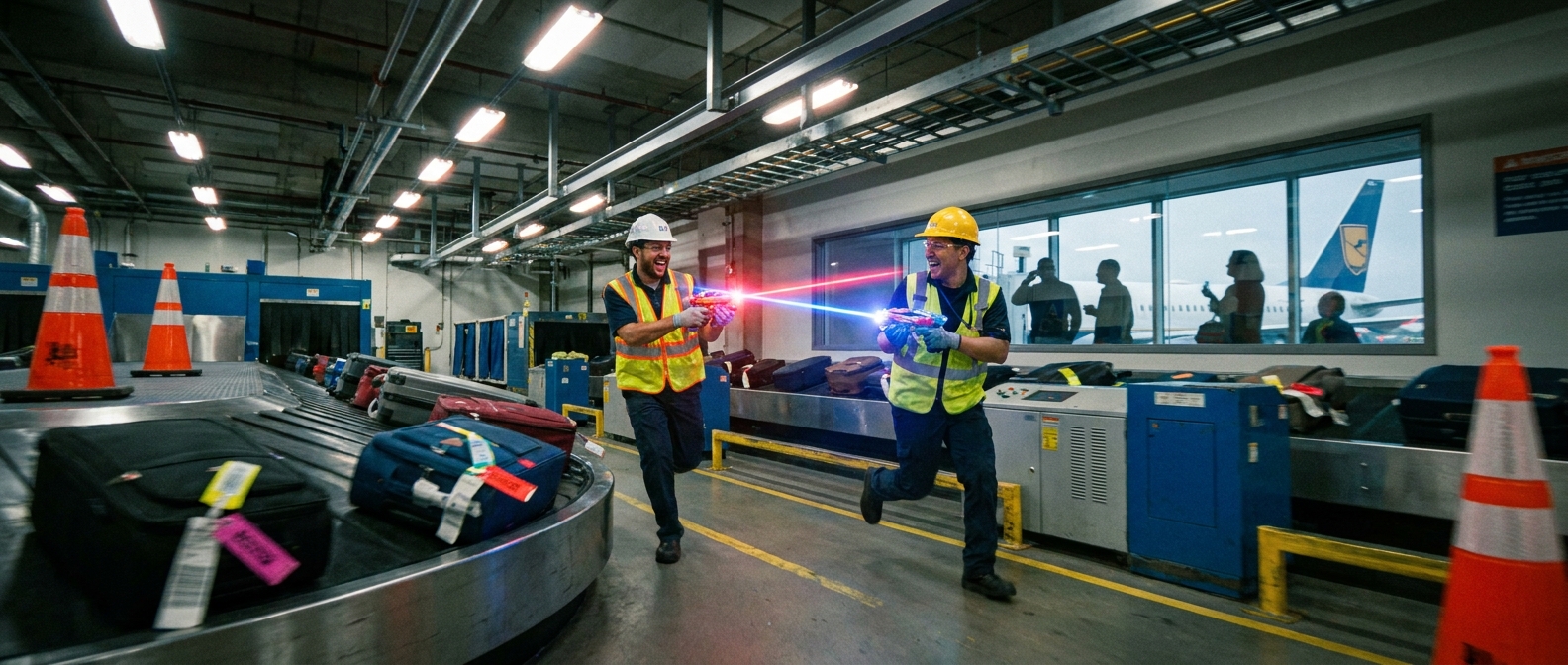
    You know the feeling. You are half-awake, thumb-scrolling through the same recycled jokes, the same polished brand clips, the same fake “candid” reactions, and then a weird little video stops you cold. That is exactly what happened with this airport luggage workers viral tiktok video. In about 20 seconds, a few ground crew workers appear to turn a baggage area into something that looks like laser tag, complete with ducking, aiming, and the kind of chaos that makes you immediately ask two questions at once. Is this hilarious, and is this wildly not allowed?

    That mix is why the clip blew up. It feels unscripted, a little forbidden, and just safe enough to share without feeling gross. People are not only laughing at it. They are trying to decode it. Was it a promo? A prank? A one-time bit of boredom relief during downtime? The real story is less about the “game” itself and more about why the internet instantly crowned it a perfect “how did nobody get fired for this?” video.

    ⚡ In a Hurry? Key Takeaways

    • This airport luggage workers viral tiktok video took off because it looked real, risky, and funny without crossing into obviously harmful territory.
    • Creators can learn from it by filming genuine workplace-style tension and surprise, but only in controlled, safe, clearly permitted situations.
    • The clip works as internet candy, but real baggage areas are serious work zones, so the smartest takeaway is the storytelling, not copying the stunt.

    Why this clip hooked people so fast

    The video has three things most viral posts never manage to balance at the same time.

    It feels accidental

    Even if a clip is staged, viewers love anything that looks like they stumbled onto it by accident. A baggage belt is already a place most travelers never really see up close. So the setting does half the work before anyone even moves.

    It plays with rules

    People are drawn to content that brushes up against authority. Not outright disaster. Just enough “you probably should not be doing that” energy to make it impossible to ignore. That is the sweet spot.

    It stays oddly light

    This matters. The reason people are passing it around is that it feels mischievous, not cruel. Nobody is being humiliated. Nobody appears to be getting hurt. It scratches that “forbidden footage” itch without turning nasty.

    What probably happened, and why people cannot stop arguing about it

    Without official context, videos like this become instant internet detective bait. One group insists it must be a planned promo. Another says it is just workers killing time. A third group jumps straight to “everybody in this clip is getting written up.”

    That uncertainty is part of the entertainment. If the answer were obvious, the video would lose half its power.

    There is also a very modern kind of humor at work here. People are tired of polished content that announces every joke from a mile away. This clip has the rough edges viewers now read as authenticity. Shaky framing. Strange setting. Fast payoff. No speech needed. You understand the premise in about two seconds.

    The real lesson for creators

    If you make videos, this is the useful part. The takeaway is not “go fake a safety violation.” The takeaway is that viewers respond to tension they can understand instantly.

    Use a setting with built-in stakes

    An airport baggage area is visually interesting because regular people know it is a work zone. You do not need special effects if the location already carries rules, routine, and pressure.

    Start in the middle of the action

    The clip does not warm up. It drops you right into the weirdest moment. That is smart editing for short-form video. If the first second makes people ask “wait, what am I looking at,” you have a better shot at holding attention.

    Keep the story simple

    No lore. No setup. No long explanation. Just a tiny conflict viewers can read immediately. Worker vs worker. Rule-following space vs playful behavior. Serious environment vs silly action.

    Make sure the danger is perceived, not real

    This is the line too many copycats miss. Viral tension works best when it looks slightly risky but is actually controlled. If you are making your own version of this kind of content, get permission, use safe props, and avoid active work areas entirely.

    Why regular viewers love sending clips like this to the group chat

    Because it gives people a clean hit of shared disbelief.

    That is the social value of a clip like this. It gives everyone the same script. “Have you seen this?” “There is no way this is real.” “How is this allowed?” Those reactions are basically preloaded into the video itself.

    It is also short enough to watch three times in a row, which helps a lot. Rewatchability is rocket fuel on TikTok, Instagram Reels, and X. The first watch is for shock. The second is for details. The third is for sending it to somebody else.

    Was it funny, unsafe, or both?

    Probably why not both.

    That said, it is worth separating internet fun from real-world judgment. Airport ramps and baggage systems are not playgrounds. They are industrial spaces with moving equipment, tight schedules, and plenty of ways for things to go badly fast. The internet can enjoy a clip while still recognizing that the workplace version of “harmless fun” only stays harmless if nobody is actually interfering with operations or putting themselves in danger.

    That is also why the video got such a strong reaction. It sits right on the edge between “great bit” and “HR would like a word.” Edge creates attention.

    How to capture this vibe safely if you are a creator

    If you want the same energy without the possible disciplinary meeting, here is the practical version.

    Use off-limits vibes, not off-limits spaces

    Film in places that look unusual or high-stakes, but where you have permission and control. Warehouses, back rooms, empty service corridors, rehearsal sets, or after-hours office spaces can all give that same feeling.

    Choose props that read instantly on camera

    The reason “laser-tag” comparisons took off is that viewers could decode the visual language right away. If your prop needs explaining, it is too slow for short-form video.

    Keep the clip under 30 seconds

    This kind of post burns brightest when it is compact. Too long, and viewers start inspecting the seams. Short and punchy lets mystery do the heavy lifting.

    Let people debate it a little

    You do not want complete confusion, but a little ambiguity helps comments pile up. If people are arguing about whether it was staged, you are probably in a good spot.

    Why this one hit harder than the usual “viral workplace” post

    Most workplace viral videos fall into two bad buckets. They are either painfully fake or mean-spirited. This one dodged both, at least in the way people received it. That is rare.

    It also has a visual contrast the algorithm loves. Airports are associated with security, routine, and stress. Laser-tag energy is chaos, play, and goofiness. Put those together and your brain pays attention.

    At a Glance: Comparison

    Feature/Aspect Details Verdict
    Why it went viral It mixed a restricted-looking airport setting with playful, easy-to-read action. Perfect formula for repeat views and shares.
    What creators should copy Fast setup, real-life tension, simple visual joke, short runtime. Copy the structure, not the workplace risk.
    Safety reality Actual baggage areas involve machinery, schedules, and serious rules. Enjoy the clip, but do not treat it like a how-to.

    Conclusion

    The reason this airport luggage workers viral tiktok video landed so hard is simple. It gave people that rare, delicious feeling that they had just seen something they were never supposed to see, but without the sour aftertaste of cruelty or exploitation. That is gold online. For viewers, it is a perfect little “you had to be there” moment to toss into the group chat before every brand and copycat account runs it into the ground. For creators, it is a useful case study in how to build attention with setting, tension, and surprise, while keeping the actual production safe and smart. That is the real value here. Not copying the baggage-belt chaos, but understanding why a tiny burst of harmless on-the-job mischief became the internet’s favorite fever dream for a day.

  • This TikTok ‘Airport Runway Plane Chase Proposal’ Clip Just Became The Internet’s New Favorite ‘Is This Real Life Or A Movie Trailer?’ Fever Dream

    This TikTok ‘Airport Runway Plane Chase Proposal’ Clip Just Became The Internet’s New Favorite ‘Is This Real Life Or A Movie Trailer?’ Fever Dream

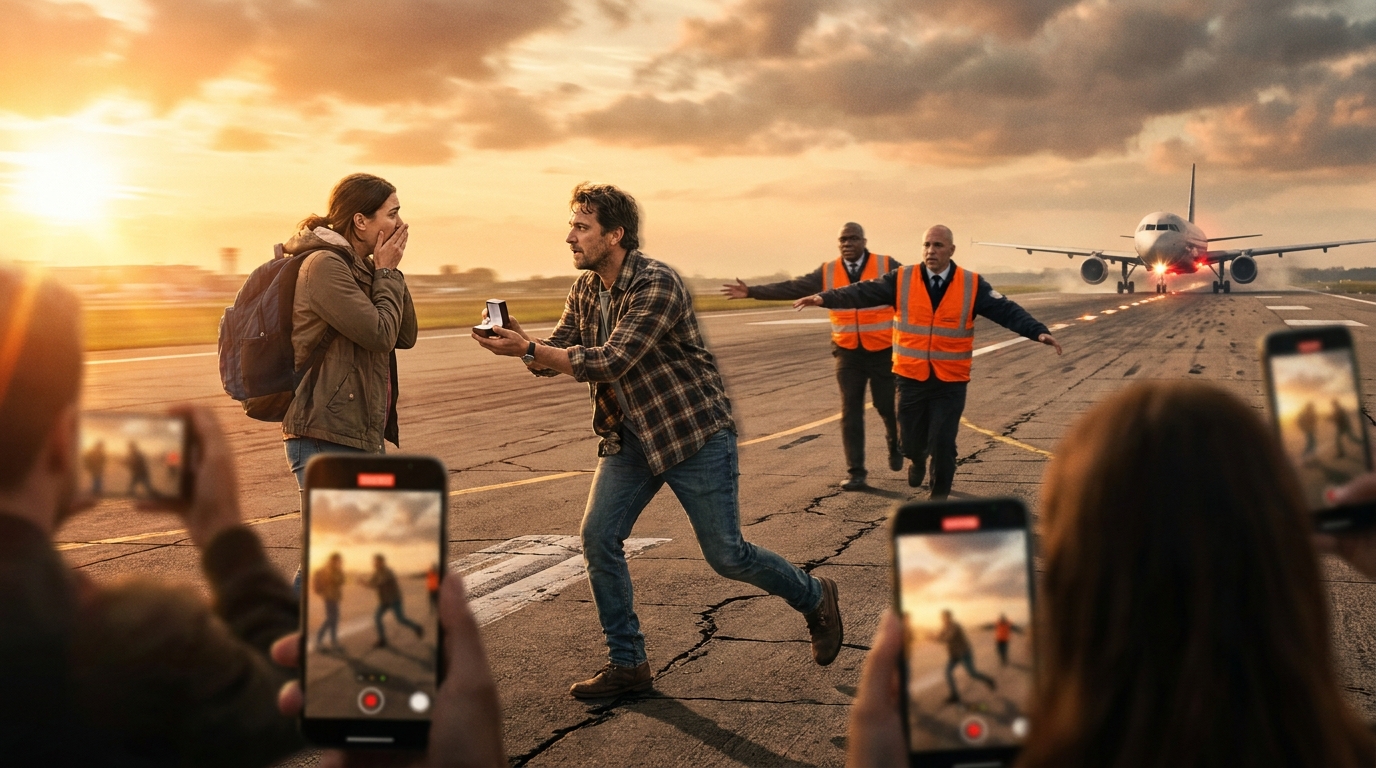
    You know that feeling when your feed serves up one clip so absurd you stop mid-scroll and think, “Come on. That cannot be real.” That is exactly what happened with the airport runway proposal viral video. People are split between “romantic gesture of the year” and “absolutely staged, call a producer.” The clip shows a man apparently sprinting down a runway to propose while security races after him, and it hits every internet trigger at once. High stakes. Public chaos. Romance. Possible lawbreaking. Tiny details that make amateur detectives open ten browser tabs. The real reason this blew up is not just the proposal itself. It is the perfect storm of fast editing, unclear context, and platforms that reward outrage as much as awe. So if your group chat is already debating whether this was real, fake, reckless, or just expertly cut for maximum drama, here is the plain-English breakdown of what likely happened and why everyone keeps sharing it.

    ⚡ In a Hurry? Key Takeaways

    • The airport runway proposal viral video went huge because it looks dangerous, cinematic, and just believable enough to spark arguments about whether it is real.
    • If you want to judge clips like this, pause on signage, uniforms, camera angles, and cuts before sharing it as fact.
    • Even if parts are staged, the safety issue is real. Viral stunts near aircraft or restricted areas can inspire copycats with much worse outcomes.

    Why this clip hit people so hard

    Most viral videos are easy to sort into a box. Cute. Dumb. Fake. Funny. This one resists that. It looks like a movie trailer, but it is framed like a phone video. It feels spontaneous, but some shots look a little too convenient. That tension is the whole hook.

    The airport runway proposal viral video also lands right in the sweet spot social platforms love. It gives romantics something to swoon over, skeptics something to debunk, and safety-minded viewers something to get mad about. One clip. Three audiences. That is how you get algorithm fuel.

    So, is it real?

    The honest answer is probably not in the fully spontaneous way the clip wants you to believe. That does not automatically mean it is fully fake either.

    With videos like this, there are usually a few possibilities:

    1. A real event with heavy editing

    This is common. Something happened, but the timeline was tightened, the music was added, extra reaction shots were inserted, and the security “chase” was made to look more dramatic than it actually was.

    2. A staged setup in a controlled area

    Sometimes creators film in places that look highly restricted but are actually closed sets, service roads, decommissioned tarmac areas, or approved spaces with staff involvement. Viewers see “active runway.” The production reality may be very different.

    3. A pure clout play designed to look dangerous

    This is the version people worry about most. The creator knows the internet will do free promotion if the clip feels illegal, risky, and romantic all at once.

    What internet sleuths usually look for

    When a clip like this explodes, viewers start doing frame-by-frame detective work almost immediately. And honestly, they are often pretty good at it.

    Airport details

    People look for runway markings, gate signage, safety cones, vehicle labels, and staff uniforms. If those details do not match a real airport layout, suspicion rises fast.

    Security behavior

    If security seems oddly slow, camera-aware, or not especially alarmed, viewers start asking whether they were in on it. Real runway breaches tend to trigger a much more serious response than what you see in slick viral clips.

    Camera placement

    This is a big one. If the proposal has multiple angles, a perfectly timed zoom, and crystal-clear reaction coverage, that usually points to planning. Not always, but usually.

    Editing seams

    Jump cuts can hide a lot. Distance traveled. Staff response time. Where the person actually was. Whether aircraft were ever close. If a clip is cut every second or two, it is telling a story, not necessarily documenting one cleanly.

    Why TikTok and Reels pushed it so hard

    Short-form platforms do not just reward popularity. They reward confusion. If viewers watch twice because they are trying to figure out what they just saw, that helps. If they send it to a friend with “Is this real?” that helps more. If the comments turn into a war, the platforms see strong engagement and keep feeding it out.

    That is why the airport runway proposal viral video was almost built in a lab for modern feeds. It is not just a proposal. It is a debate engine.

    The sound choice matters too. Dramatic audio can make a mediocre clip feel huge. Tight cuts create urgency. Starting in the middle of the action keeps people from swiping away. By the time context shows up, the viewer is already hooked.

    The safety problem people are right to worry about

    Even if this specific clip was staged or controlled, the copycat risk is not imaginary. Airports are not quirky content playgrounds. Restricted zones exist for obvious reasons. Aircraft movement, ground vehicles, jet blast, and emergency response protocols are not things you improvise around for engagement.

    That is the part that gets lost when comments turn into “aww” versus “cringe.” A polished clip can make dangerous behavior look easy and survivable. Real life is less forgiving.

    Why airports treat this seriously

    Airside areas are tightly managed because mistakes there are expensive and dangerous. A person running where they should not be can disrupt operations, trigger security procedures, delay flights, and put themselves and workers at risk.

    Why “but it was worth it” is bad internet logic

    Viral storytelling often frames consequences as part of the romance. That works great for views. It works terribly as a real-world example.

    How to tell whether a viral clip deserves your trust

    You do not need to be a video forensics expert. A few simple habits go a long way.

    Check who posted it first

    If the original account is built around pranks, staged romance, or creator collabs, that does not prove anything. But it gives you context. A creator whose whole job is attention should be viewed through that lens.

    Look for repost drift

    By the time a clip reaches your feed, it may have lost captions, location details, or disclaimers. Reposts strip away context fast.

    Read comments, but do not trust them blindly

    Comments can surface useful clues, but they also spread confident nonsense at lightning speed. Treat them like tips, not proof.

    Search for local reporting

    If a genuine runway breach happened at a major airport, there is a decent chance local media, airport authorities, or police would mention it. Silence is not proof of fakery, but it is worth noting.

    Why people are weirdly obsessed with this one

    Because it scratches two very online itches at once. We love spectacle, and we love solving a mystery. The airport runway proposal viral video lets viewers perform both jobs. You can be entertained and act like a detective in the same 30 seconds.

    There is also the movie factor. The clip feels less like real life and more like a scene engineered to be clipped, memed, stitched, and argued over. That makes it bigger than the event itself.

    What to say in the group chat if this comes up

    Here is the short version. The clip is viral because it looks outrageous but stays just believable enough to split people. It may show a real moment, but the editing almost certainly does a lot of the storytelling. And whether staged or not, it brushes up against a bad trend where dangerous-looking stunts get rewarded with attention.

    That is the informed middle ground. You do not have to fall for it, and you do not have to act like everything online is fake.

    At a Glance: Comparison

    Feature/Aspect Details Verdict
    Authenticity May include a real proposal, but the pacing, angles, and tension likely come from editing or planning. Treat as possibly staged for effect, not raw reality.
    Why it went viral Romance, danger, outrage, and mystery all packed into a short clip that people replay and argue over. Algorithm gold.
    Safety impact Even a controlled or staged stunt can normalize reckless behavior near restricted airport zones. Worth watching with skepticism, not imitation.

    Conclusion

    The useful takeaway here is not just whether this one clip is “real.” It is understanding why the airport runway proposal viral video spread so fast, what editing tricks may be doing the heavy lifting, and why the safety conversation matters more than the swoony soundtrack. Everyone is buried under recycled viral posts that never explain what is actually going on. If you can spot the signs, check the context, and resist boosting risky copycat bait, you are already ahead of the next round of internet fever dreams. And yes, you will sound much smarter in the group chat too.

  • This ‘Girl Who Turns Her Back And Lets It Rip’ Clip Just Became The Internet’s New Favorite ‘I Can’t Believe I’m Watching This’ Chaos Scroll-Stopper

    You know the feeling. Everyone in the group chat is crying laughing over one tiny clip, and somehow you are the only person who did not catch it before the algorithm buried it. Right now, that clip is the so-called “girl who turns her butt viral video,” the one people keep describing in the least helpful way possible: she turns around, pauses for a beat, and lets one rip. That is basically the whole joke, and yes, that is also why it spread so fast. It is short, stupid, a little gross, and weirdly perfect for reaction videos, duets, reposts, and “I can’t believe I am seeing this at 8:14 a.m.” captions. If you missed it, you are not alone. Viral jokes now move at the speed of a sneeze. Here is the quick catch-up, why people are obsessed with it, and how to talk about it without sounding like you are pretending you saw it first.

    ⚡ In a Hurry? Key Takeaways

    • The “girl who turns her butt viral video” blew up because it is an ultra-short shock joke with perfect reaction-meme timing.
    • If you missed the original, search the phrase in TikTok, Reels, and X, then sort by newest reposts, stitches, and reaction clips to get context fast.
    • Most of the buzz is about the remix culture around the clip, not the clip alone, so avoid fake download links and sketchy repost accounts chasing views.

    What is the clip people are talking about?

    At its core, it is exactly what the internet says it is. A girl turns her back to the camera, sets up a beat of expectation, and then the punchline lands with a fart sound. The comedy is not complicated. The whole thing works because of timing.

    There is a tiny pause before the payoff. That pause is everything. It gives viewers just enough time to think, “Surely this is not going where I think it is going,” and then it does.

    That kind of setup is catnip for short-form apps. You can repost it, stitch it, lip-sync around it, or use it as a bait-and-switch audio under a completely unrelated video. It is low effort in the best and worst internet way.

    Why did this become such a huge scroll-stopper?

    1. It is instant

    You do not need backstory, language skills, or lore. The joke lands in seconds. That matters on TikTok, Instagram Reels, and Shorts, where people decide almost immediately whether to keep watching.

    2. It is taboo, but only a little

    Internet humor loves the sweet spot between harmless and mildly forbidden. A fart joke is juvenile, but not exactly dangerous territory. It feels rebellious enough to share, while still being safe enough for most people to laugh at.

    3. It is perfect reaction bait

    The real fuel behind a lot of viral clips is not the original post. It is everyone else’s face after watching it. That is what pushes a clip from “funny” into “you literally cannot escape it today.”

    4. It is absurdly quotable

    Not because the original has deep dialogue, but because the internet instantly wraps these clips in repeatable lines. Think captions like “me after holding it together in the meeting” or “the exact energy of my last nerve leaving my body.” The meme writing does half the work.

    If you missed the original, here is how to catch up fast

    Do not just search for the exact clip and hope for the best. That rarely works once the algorithm has moved on. Instead, use the phrase girl who turns her butt viral video across TikTok, Instagram, YouTube Shorts, and X, then look for these formats:

    • Reaction videos with the original embedded
    • Stitches or duets that preserve the timing
    • “Explainer” reposts that include the clip and captions
    • Compilation accounts collecting the best remixes

    If the original upload is gone, the remix ecosystem usually tells you more anyway. You get the joke, the pacing, and the internet’s favorite spin on it in one pass.

    What people are actually laughing at

    This is the part casual viewers often miss. The laugh is not only “haha, fart.” It is also the precision of the turn, the confidence of the setup, and the fact that the video behaves like it is building to something dramatic. Then it throws all that away for the dumbest payoff possible.

    That clash is a huge part of modern meme culture. The internet loves fake seriousness. It loves a dramatic pause that leads nowhere noble. The more a clip pretends it is about to become meaningful, the harder the joke can hit when it does the exact opposite.

    Why clips like this vanish so quickly

    Short-form platforms reward novelty over memory. A joke this small can own the entire day and then disappear by dinner. It is not because it failed. It is because it did its job too well.

    These clips spread like sparks. People steal them, crop them, react to them, add text, change the sound, and then move on to the next weird little moment. By the time many people hear about it from friends, the original is already buried under the next three micro-trends.

    Want to sound caught up in the group chat? Use these angles

    You do not need to fake having discovered it first. Just know what kind of humor it is.

    Say this if you want the quick take

    “It is one of those perfect 8-second chaos clips where the setup is way more serious than the payoff.”

    Say this if you want to sound platform-savvy

    “The reactions made it bigger than the original. That is why it was everywhere all at once.”

    Say this if you want the cultural read

    “It is classic absurd short-form humor. Slightly gross, very fast, and made to be remixed into ten different jokes by lunch.”

    Should creators try to copy it?

    Yes, but carefully. The lesson is not “post more fart jokes.” The lesson is timing. Simple clips explode when they have a clean setup, a clear beat, and a payoff people can instantly understand.

    If you make content, think about what this clip teaches:

    • Keep the premise obvious within one second
    • Use a visible pause before the joke lands
    • Make the clip easy to remix with text or reaction faces
    • Do not over-explain the joke in the caption

    That is why these low-effort-looking videos can outperform polished content. They invite participation. People do not just watch them. They grab them and make them theirs.

    A quick note on finding the clip safely

    Whenever something goes viral this fast, sketchy accounts rush in with fake “full video” links, suspicious downloads, or reposts stuffed with malware bait. If you are looking for the original, stay on major platforms and avoid random sites promising an uncensored version or a secret mirror.

    If all you want is context, the stitched and reposted versions are enough. No need to click through to a mystery domain just to understand a joke that lasts ten seconds.

    What this says about internet humor in 2026

    Honestly, a lot. The internet keeps rewarding clips that are quick, physical, slightly embarrassing, and easy to repurpose. Big produced comedy still exists, sure. But the stuff that really interrupts a doom-scroll is often tiny and ridiculous.

    That is why this clip matters beyond the obvious bathroom humor. It shows how online culture now works in bursts. One tiny video becomes a shared language for a few hours. If you catch it in time, you are in on the joke. If you miss it, it can feel like the whole internet had a meeting without you.

    At a Glance: Comparison

    Feature/Aspect Details Verdict
    Why it went viral Short runtime, obvious setup, silly taboo payoff, and high remix potential A near-perfect chaos clip for short-form platforms
    Best way to catch up Search reposts, reactions, stitches, and captioned versions rather than hunting only for the original upload Fastest route to context and the joke’s best variations
    Value for creators Shows how timing, pause, and remixability can beat high production value Useful mini-case study in how absurd memes travel

    Conclusion

    If you felt weirdly left out because everyone kept referencing the “girl who turns her butt viral video,” now you have the important part. The clip blew up because it is fast, shameless, remix-friendly, and just polished enough in its timing to become irresistible. More importantly, catching up on stuff like this is not really about one fart joke. It solves a real internet problem. Online culture now runs on hyper-specific 10-second in-jokes that can burn out in less than a day. A little context helps casual viewers and creators jump into the conversation instead of watching it speed past from the sidelines. And once you see how a throwaway clip like this spreads, you also get a handy crash course in how absurd, slightly taboo humor moves online in 2026. Today it is this one. Tomorrow, it will be something even stranger.

  • This TikTok ‘Ceiling Fan Selfie Fail’ Clip Just Became The Internet’s New Favorite ‘I Can’t Believe She Posted That’ Relatable Disaster

    This TikTok ‘Ceiling Fan Selfie Fail’ Clip Just Became The Internet’s New Favorite ‘I Can’t Believe She Posted That’ Relatable Disaster

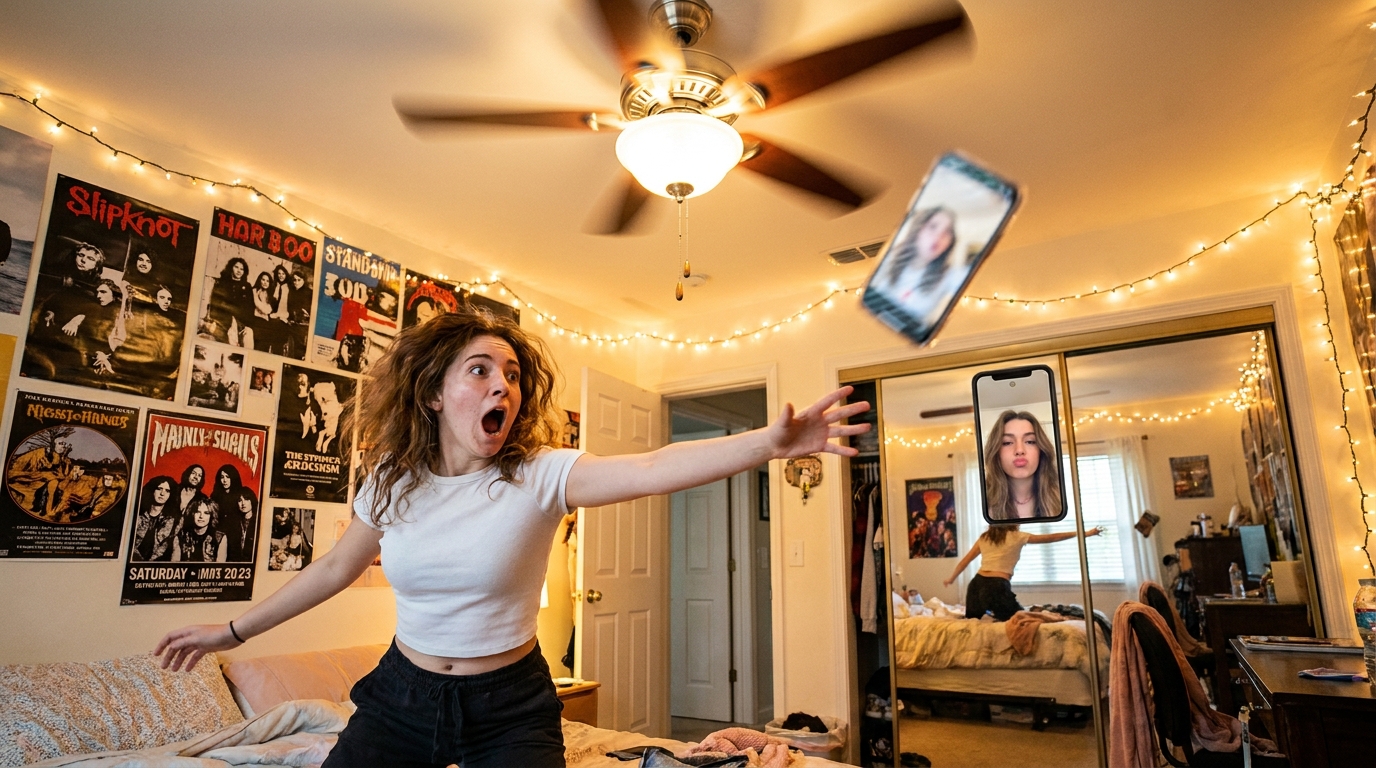
    You know the feeling. You scroll through a parade of perfect faces, perfect lighting, perfect “oops I woke up like this” videos, and after a while they all melt into one glossy blur. Then one clip breaks through because it is painfully, beautifully human. That is exactly why the ceiling fan selfie fail TikTok video is everywhere right now. It is not polished. It is not subtle. It is one person lining up what looks like a standard selfie-style thirst trap, only for a spinning ceiling fan to step in like the universe’s most aggressive fact-checker. The result is the kind of chaos people replay three times, send to the group chat, and caption with some version of “this would absolutely be me.” It feels real. It feels dumb in the most harmless internet way. And yes, it is also a useful little case study in how a totally accidental clip can beat a thousand overproduced posts.

    ⚡ In a Hurry? Key Takeaways

    • The ceiling fan selfie fail TikTok video is going viral because it mixes confidence, bad timing, and instant physical comedy in one very replayable moment.
    • If you are trying to figure out why a clip is blowing up, watch for sharp reaction timing, a clear setup, and comments that add their own jokes.
    • Funny or not, filming around spinning fans, tight spaces, or unstable furniture is a great way to turn a bit into a real injury, so maybe keep the ceiling fan out of the shot.

    What actually happens in the clip

    The setup is simple, which is part of why it works. The creator appears to be filming a flattering selfie video, the kind that usually depends on a careful angle, good posture, and just enough confidence to make it look effortless.

    Then physics shows up.

    As she leans or raises into frame, the ceiling fan gets involved and turns the whole thing from “watch me look cute” into “somebody please pause this at the worst possible frame.” There is no long buildup. No complicated joke structure. Just impact, surprise, and immediate secondhand embarrassment.

    That clean before-and-after is internet gold. TikTok loves moments you understand in one second and rewatch in five.

    Why this ceiling fan selfie fail TikTok video took off so fast

    It feels accidental, not manufactured

    People are tired of videos that look focus-grouped into existence. A lot of clips on the For You Page now feel engineered for comments, stitched reactions, and brand deals before they even go live.

    This one feels like the opposite. Even if the creator has a good sense of what plays online, the moment lands because it looks unplanned. Viewers trust chaos more than polish.

    The joke is visual, instant, and universal

    You do not need context. You do not need to know the creator. You do not need audio. You just need eyes.

    That matters more than people think. The biggest scroll-stopping clips usually work with the sound off and the brain half-busy. A ceiling fan interrupting a selfie is immediate. It is slapstick for the vertical video era.

    It hits the sweet spot between cringe and harmless

    The internet can be brutal when a fail looks mean-spirited or dangerous. This one lands in that safer middle zone where people can laugh without feeling totally awful about it. It is embarrassing, sure, but in the deeply relatable way that makes people confess their own disasters in the comments.

    That is often the secret fuel for virality. The clip starts the joke, and the comment section finishes it.

    Why people find it so relatable

    The reason this clip is sticking is not just the fan. It is the ambition.

    Most of us have had some version of this moment. You try to take a nice photo. You open the front camera by accident. You stand up too fast in a Zoom call. You think the angle is working until the background exposes the entire mess. Tech has made self-presentation easier, but it has also created a thousand new ways to embarrass yourself in high definition.

    That is why this does not read as some distant influencer mishap. It reads as a very normal person losing a fight with the room layout.

    How TikTok decides a clip like this is worth pushing

    If you are trying to tell the difference between a genuinely viral moment and another algorithmically inflated “look at me” post, this is a pretty good example to study.

    1. The setup is obvious

    You instantly understand what kind of video you are about to get. That makes the interruption funnier because the expectation is so clear.

    2. The payoff is fast

    No waiting. No rambling intro. No “watch till the end” begging. TikTok tends to reward clips that hit quickly because people are more likely to rewatch them.

    3. It invites reaction videos

    This is a duet magnet. People can gasp, laugh, pause on impact, or act like they saw it coming. Reaction-friendly clips often spread much further than the original because every remix becomes free promotion.

    4. The comments become part of the entertainment

    Once viewers start writing things like “the fan said absolutely not” or “gravity and rotation teamed up,” the post gains a second layer. Now people are opening the comments not just to respond, but to get more jokes.

    The tiny production lesson hidden inside the fail

    Oddly enough, this clip is also a reminder that camera angles are not just about looking good. They are about checking your environment.

    When creators shoot selfie content, they are usually focused on framing their face, catching the light, and hiding the clutter. But background hazards matter too. Ceiling fans, open cabinet doors, rolling chairs, unstable stools, mirrors, pets, and low shelves have all ruined many confident recordings.

    That is one reason this particular fail feels so familiar. It exposes the invisible checklist behind every “casual” video.

    Should you feel bad for laughing?

    A little. But not too much.

    The internet has always loved a harmless stumble, especially when the person ends up posting it themselves instead of pretending it never happened. There is a big difference between laughing at cruelty and laughing at a moment that captures how silly online self-presentation can get.

    If anything, clips like this are a nice break from content that is trying way too hard to be aspirational. They bring the temperature down. They remind everyone that phones, bodies, rooms, and timing do not always cooperate.

    If you are filming selfie videos, here is the non-glamorous advice

    You do not need a production crew. Just do the boring pre-checks.

    Look up

    Literally. See what is above you before you lift your phone and strike a pose.

    Check moving stuff in the room

    Fans, chairs on wheels, swinging doors, pets, and children are all undefeated opponents.

    Use your rear camera preview if possible

    If you want better framing, set the phone down, step back, and review the space first. It saves a lot of accidental comedy.

    Do one test take

    A five-second practice clip will catch most problems before you post your pride directly into public humiliation.

    At a Glance: Comparison

    Feature/Aspect Details Verdict
    Why it went viral Simple setup, instant payoff, and highly replayable physical comedy A textbook short-form hit
    Relatability Everyone has had a moment where confidence met bad timing and lost badly Very high, which keeps shares going
    Real-world lesson Check your surroundings before filming, especially overhead hazards Funny online, less funny if someone gets hurt

    Conclusion

    The ceiling fan selfie fail TikTok video matters for the same reason the best viral clips always matter. It cuts through the fake-perfect sludge and gives people something instantly funny, instantly shareable, and instantly understood. In a feed full of AI-polished thirst traps and try-hard skits that all start to look the same, one gloriously human screwup stands out. That helps you do more than keep up with the joke before it gets stale. It shows you what really travels online right now. Clear setup, sharp visual payoff, easy reaction cuts, and a comment section that piles on with better punchlines. If you are trying to understand what is actually breaking through on TikTok, not just what the app keeps shoving in your face, this is the kind of clip worth paying attention to. Also, maybe glance at the ceiling before you hit record.

  • This TikTok ‘Hurricane Party Balcony Reporter’ Clip Just Became The Internet’s New Favorite ‘Why Is He Livestreaming This?’ Chaos Watch

    This TikTok ‘Hurricane Party Balcony Reporter’ Clip Just Became The Internet’s New Favorite ‘Why Is He Livestreaming This?’ Chaos Watch

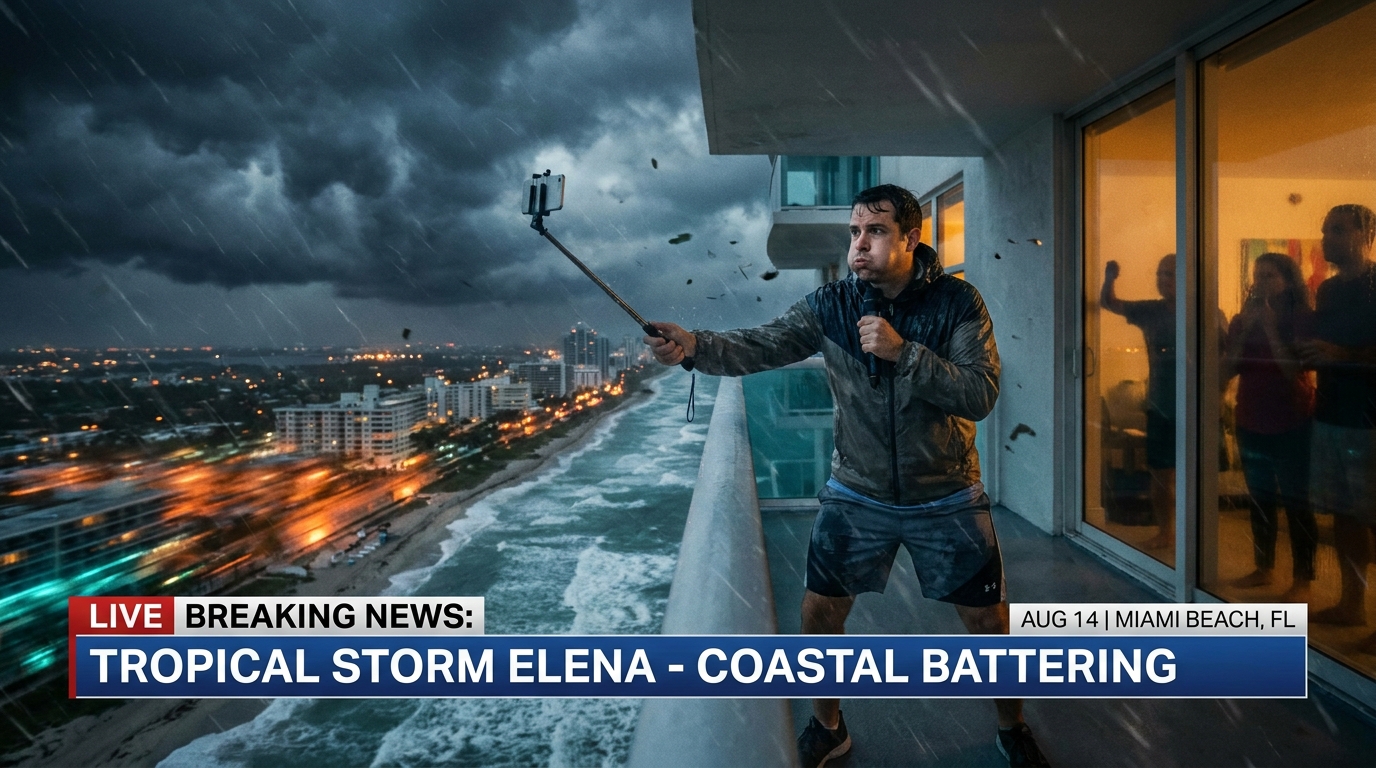
    If you have been hearing everyone joke about the viral hurricane balcony tiktok video, but every post on your feed is just a reaction to a reaction, you are not alone. That is the annoying part of internet chaos now. The original clip gets buried under duets, stitched commentary and blurry reposts, and suddenly you are expected to know what happened without ever seeing the full thing. The short version is this. A man filming from a high-rise balcony during a hurricane or tropical storm setup became the center of a huge online debate because the video looked equal parts brave, reckless and bizarrely calm. People could not stop asking the same question. Why is he livestreaming this instead of getting inside? What made the clip take off was not just the wind and danger. It was the way viewers split into camps over whether this was real reporting, content chasing, or a disaster turning into entertainment.

    ⚡ In a Hurry? Key Takeaways

    • The viral hurricane balcony tiktok video blew up because it mixed real storm footage with behavior many viewers saw as dangerously performative.
    • If you cannot find the original clip, look for full-length reposts with time stamps and avoid judging based only on stitched reactions.
    • The biggest issue is safety. Going out onto exposed balconies during severe weather can put both the person filming and possible rescuers at risk.

    What actually happened in the clip?

    The basic setup is simple. A man appears to be on a balcony during severe storm conditions, filming himself and the scene around him while strong wind whips through the area. In some reposts, he talks to viewers as if he is giving live coverage. In others, the focus is on just how exposed the balcony looks.

    That is why the clip spread so fast. It hit the internet’s favorite sweet spot. Real danger, weird calmness and a person acting like the camera matters as much as the storm. For a lot of viewers, it felt like accidental satire. For others, it looked like someone documenting conditions in real time the same way local residents often do before TV crews get there.

    The problem is that by the time most people saw it, they were not watching the original anymore. They were seeing snippets with captions like “this guy is insane” or “low-key better than the news,” which changed the tone immediately.

    Why people cannot stop talking about it

    1. It feels like disaster coverage and stunt content at the same time

    That tension is the whole story. On one hand, firsthand footage from storms can be useful. It shows conditions on the ground and gives people outside the area a clearer sense of what is happening. On the other hand, standing on a balcony in hurricane-force wind for internet attention sets off every alarm bell people have about bad judgment online.

    2. The internet loves asking, “Should this person be doing this?”

    This was not just a weather clip. It became a morality debate. Was he helping document the event, or encouraging copycats? Was he trapped and making the best of it, or knowingly taking a dumb risk because outrage drives views?

    3. The reactions became bigger than the footage

    Once creators started duetting it, the clip stopped being only about the storm. It became about everyone else’s take on the storm. Some praised his nerve. Some roasted him. Some pointed out that if anything went wrong, first responders could end up dealing with a totally avoidable rescue.

    So was it reporting or reckless content?

    Honestly, it can be a little of both. That is what makes the viral hurricane balcony tiktok video such a perfect internet argument.

    Real reporting usually has a purpose beyond spectacle. It tries to inform. It adds context. It does not just say, “look how wild this is.” Reckless content, by contrast, usually centers the creator first and the event second. If the person filming is clearly putting themselves in danger for a stronger clip, most viewers are going to call that out.

    In this case, the backlash came from the setting. A high balcony in severe wind is not a controlled environment. Loose objects can fly. Doors can slam. People can lose footing faster than they expect. Even if the person in the video felt in control, viewers were reacting to the obvious risk.

    The smartest pushback online

    The best comments were not the cheap dunks. They were the ones reminding people that storms are not action-movie backdrops. They affect residents, emergency workers and families trying to get through the night safely.

    Several viewers made a fair point. We should not confuse access with expertise. Just because someone is physically close to a dangerous event does not mean they are covering it responsibly. A phone camera and a livestream are not the same thing as preparation, safety planning or situational awareness.

    Others pointed out something useful too. Raw footage can still matter. Local clips often show real conditions before official updates catch up. The issue is not that people film storms. The issue is when the filming itself seems to increase the danger.

    How to tell whether a disaster clip is worth trusting

    Check for the full sequence

    If you only see a seven-second scream, a dramatic zoom and a reaction face, you are not getting the story. Look for a longer repost or a version with the lead-up and aftermath included.

    Look for location clues

    Street signs, weather alerts, building details and time stamps can help confirm whether the clip matches the event people say it does. Viral posts often get mislabeled within hours.

    Notice what the uploader is emphasizing

    If the caption is all about shock value, assume context may be missing. If it includes date, place and what was happening, that is a better sign.

    Compare it with local coverage

    If local meteorologists, stations or emergency accounts are describing similar conditions, the clip is more likely to be genuine. That does not make the behavior smart, but it helps separate real footage from recycled storm bait.

    Where the line is for most viewers

    Most people are actually pretty reasonable about this. They are fine with footage from a safe indoor spot, a sheltered window or a secured camera angle. What makes viewers uncomfortable is when someone appears to move closer to danger because danger performs well on social media.

    That line matters because online copycat behavior is real. One viral storm clip can inspire a dozen lesser versions from people who do not understand how quickly conditions can turn. That is why safety criticism in the comments was not killjoy behavior. It was the most grounded part of the conversation.

    Unexpected hero moments in the mess

    One good thing about these chaotic viral cycles is that smart voices do break through. Meteorologists, emergency workers and locals often jump into the comments to explain what viewers are actually looking at. They point out wind risks, debris hazards and why balconies are especially bad places to ride out extreme weather.

    That kind of context helps turn a gawking session into something a little more useful. Instead of just laughing at “that hurricane guy,” people start talking about preparedness, safe shelter and why thrill-seeking during disasters has a cost beyond one person’s feed.

    At a Glance: Comparison

    Feature/Aspect Details Verdict
    What made it go viral A man filming from a balcony during severe storm conditions while staying oddly composed on camera. Compelling to watch, but instantly controversial.
    Public reaction Split between “wow, real on-the-ground footage” and “this is reckless content farming.” Backlash was justified because safety concerns were real.
    Viewer takeaway Storm clips can inform, but repost culture strips context and can glamorize bad choices. Watch critically, and do not mistake viral for responsible.

    Conclusion

    If your feed made the viral hurricane balcony tiktok video feel impossible to decode, the real takeaway is pretty simple. It was not just a wild storm clip. It was a snapshot of how the internet handles danger now. Half documentation, half performance, then a flood of reactions that bury the original context. That is why it helps to slow down, look for the full footage and pay attention to the people raising smart safety concerns. Today’s feeds are a mess of stitched reactions and out-of-context duets, especially when a disaster-adjacent clip blows up. A piece like this helps the community separate thrill-seeking stupidity from genuine on-the-ground reporting, surfaces the smartest comments and safety pushback, and gives people a place to talk about where the line is between epic content and putting first responders at risk. It is not just about gawking at a wild video. It is about understanding the stakes, the backlash and the rare useful lessons hiding inside the chaos.

  • This TikTok ‘Airline Passenger Mutiny’ Clip Just Became The Internet’s New Favorite ‘We’re Not Taking Off Until She Leaves’ Justice Fantasy

    This TikTok ‘Airline Passenger Mutiny’ Clip Just Became The Internet’s New Favorite ‘We’re Not Taking Off Until She Leaves’ Justice Fantasy

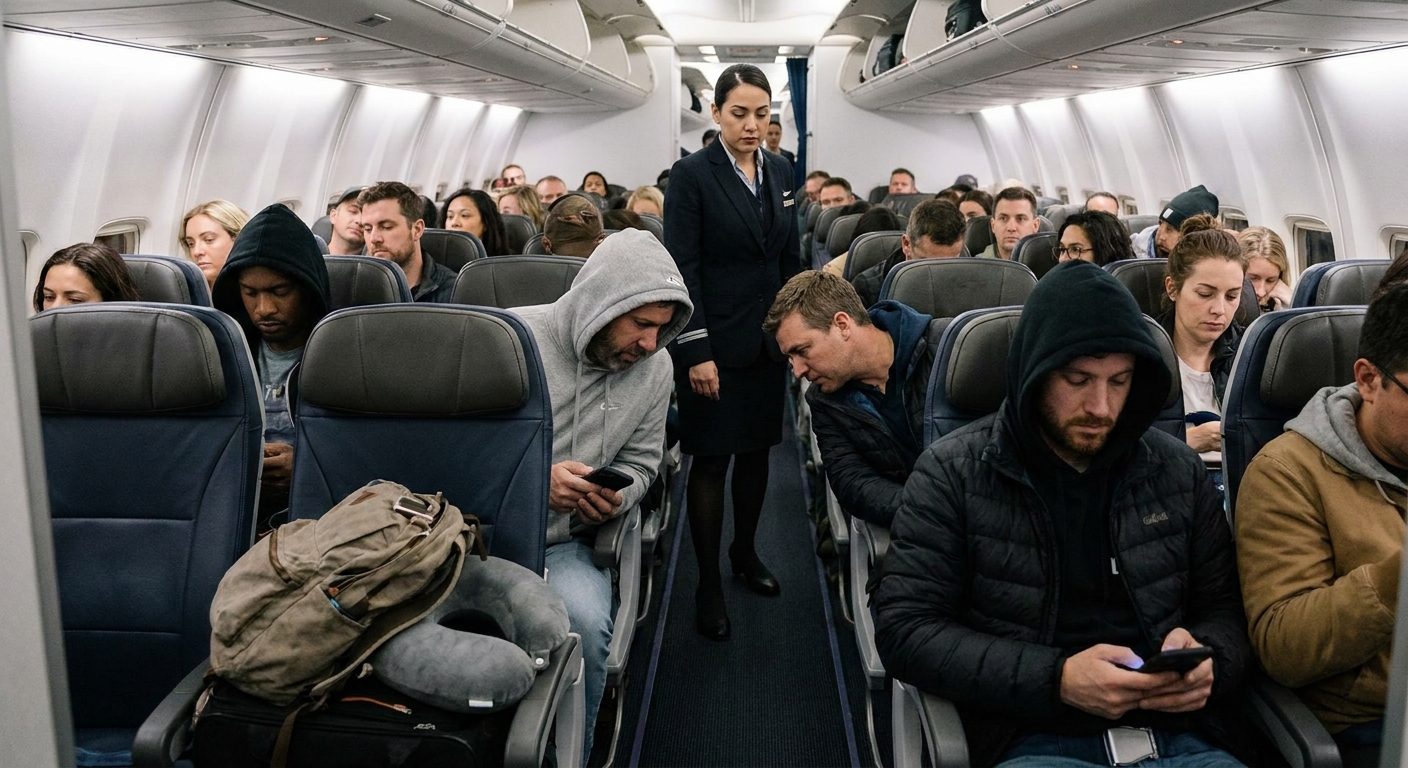
    Air travel already feels like a pressure cooker. You are tired, delayed, packed in shoulder to shoulder, and one loud passenger can make the whole cabin feel trapped. That is why this viral airline passenger mutiny TikTok video is landing so hard with people. Instead of the usual shaky clip of one person spiraling while everyone else stares at their phones, this one shows something different. A full cabin appears to calmly hold the line and refuse to move toward takeoff until one disruptive passenger is removed. It hits a nerve because most of us have wondered what we would do in that moment. Stay quiet? Record it? Speak up? What makes this clip so satisfying is not chaos. It is the opposite. It is collective restraint. No action-movie heroics. Just regular people making it clear that basic decency and safety matter more than getting wheels up on time.

    ⚡ In a Hurry? Key Takeaways

    • This viral airline passenger mutiny TikTok video is spreading because it shows a calm group response, not just another inflight meltdown.
    • If you are ever in a similar situation, stay seated, avoid escalating, and back up crew instructions instead of confronting the person yourself.
    • The real appeal here is safety and solidarity. People like seeing a public line drawn without turning the cabin into a second disaster.

    Why this clip feels different from every other plane freakout

    We have all seen the usual viral formula. Someone screams. Someone films. The internet picks teams. End of story.

    This clip flips that script. The reason the viral airline passenger mutiny TikTok video is blowing up is simple. Viewers are not just watching one bad actor. They are watching a whole cabin decide, quietly and together, that enough is enough.

    That changes the emotional math.

    Instead of secondhand embarrassment, people get relief. Instead of helplessness, they get a tiny fantasy of order returning to a very disordered setting. For anyone who has sat on a delayed flight with rising tension in the air, that is powerful.

    What people are really reacting to

    It is not just “justice”

    Sure, there is a justice angle. A disruptive passenger causes problems, and there are consequences. The internet loves that.

    But this video works because it offers something more human than punishment. It shows passengers acting like a community for a minute. Not friends. Not activists. Just strangers agreeing on one basic point. We are not taking off like this.

    It gives viewers a script

    Most viral outrage clips leave you with the same question. What was anyone supposed to do?

    This one answers it. Stay calm. Stay seated. Back the crew. Let the process work. That is a much more useful takeaway than “go viral if things get weird.”

    It rewards restraint

    That may be the biggest surprise. Platforms usually push the loudest, messiest version of an event. Here, the thing people are sharing is measured group behavior. That feels rare. It also feels like a small win.

    Why TikTok, specifically, made this explode

    TikTok is very good at turning a short, emotionally clear moment into a mass reaction. You do not need the full backstory to understand this clip. The stakes are obvious in seconds.

    Confined space. Rising tension. One person causing trouble. A crowd refusing to normalize it.

    That is perfect social video material because it works with the sound off, the captions on, and your own bad airport memories filling in the blanks.

    It also invites instant self-insertion. Viewers can picture themselves in that exact row, making that exact call. That is a big reason the viral airline passenger mutiny TikTok video is traveling so fast across For You Pages.

    Would this actually be the right move in real life?

    Usually, yes, with one big condition. Passengers should support crew, not replace them.

    If someone is behaving in a way that feels unsafe, flight attendants and the captain are the people who need to make the call. A united passenger response can help if it stays calm and clear. It can hurt if it turns into yelling, crowding, threats, or amateur policing.

    Think of it like a neighborhood problem. You want witnesses and cooperation. You do not want ten people trying to be sheriff at once.

    What to do if you are on a flight like this

    Keep it boring. That is the goal.

    • Stay seated unless crew tells you otherwise.
    • Do not film in a way that blocks aisles or escalates the person.
    • Use the call button or quietly alert crew if needed.
    • Back crew instructions with calm, not volume.
    • Do not argue directly with the disruptive passenger unless there is immediate danger.

    That may not sound cinematic, but boring is exactly what safety looks like on an airplane.

    Why this is connecting right now

    Timing matters. People are fried.

    Flights are crowded. Delays stack up fast. Customer patience is thin. Airline staff are stretched. Even travelers who usually keep it together can feel one gate change away from tears.

    So when a video pops up showing ordinary people refusing to let one person drag everyone into chaos, it scratches a very current itch. It says maybe we are not completely powerless in public spaces. Maybe calm can still beat disorder.

    The internet loves conflict. This time it loved boundaries.

    That is the part worth noticing.

    Most rage bait performs because it feeds our appetite for collapse. This clip performs because it offers containment. A line gets drawn. People hold it. The situation appears to resolve. Viewers get a beginning, middle, and end that does not feel morally murky.

    That makes it satisfying in a way most viral freakout videos are not.

    At a Glance: Comparison

    Feature/Aspect Details Verdict
    What makes it viral A whole cabin appears to calmly unite instead of one person stealing the show. Much more shareable than a standard meltdown clip.
    Best real-world lesson Support crew, stay calm, and avoid turning frustration into a second emergency. Smart and safe.
    Why viewers connect It reflects how stressed and cornered travelers already feel, but gives them a better ending. Emotionally relatable and oddly reassuring.

    Conclusion

    Right now everyone is stressed, overbooked, and one canceled flight away from snapping. That is why this viral airline passenger mutiny TikTok video is hitting so hard. It is not just another rage compilation. It is a rare piece of viral proof that a crowd can stay calm, stay human, and still win. And that is the real value here. Not the drama, but the example. When regular people quietly draw a line in public, it can work. Better still, this time the algorithm rewarded that version of the story. In a very noisy internet moment, that feels surprisingly hopeful.

  • This TikTok ‘Grandma AI Makeup Tutorial’ Clip Just Became The Internet’s New Favorite ‘Wait, She’s 82?’ Glow‑Up Illusion

    This TikTok ‘Grandma AI Makeup Tutorial’ Clip Just Became The Internet’s New Favorite ‘Wait, She’s 82?’ Glow‑Up Illusion

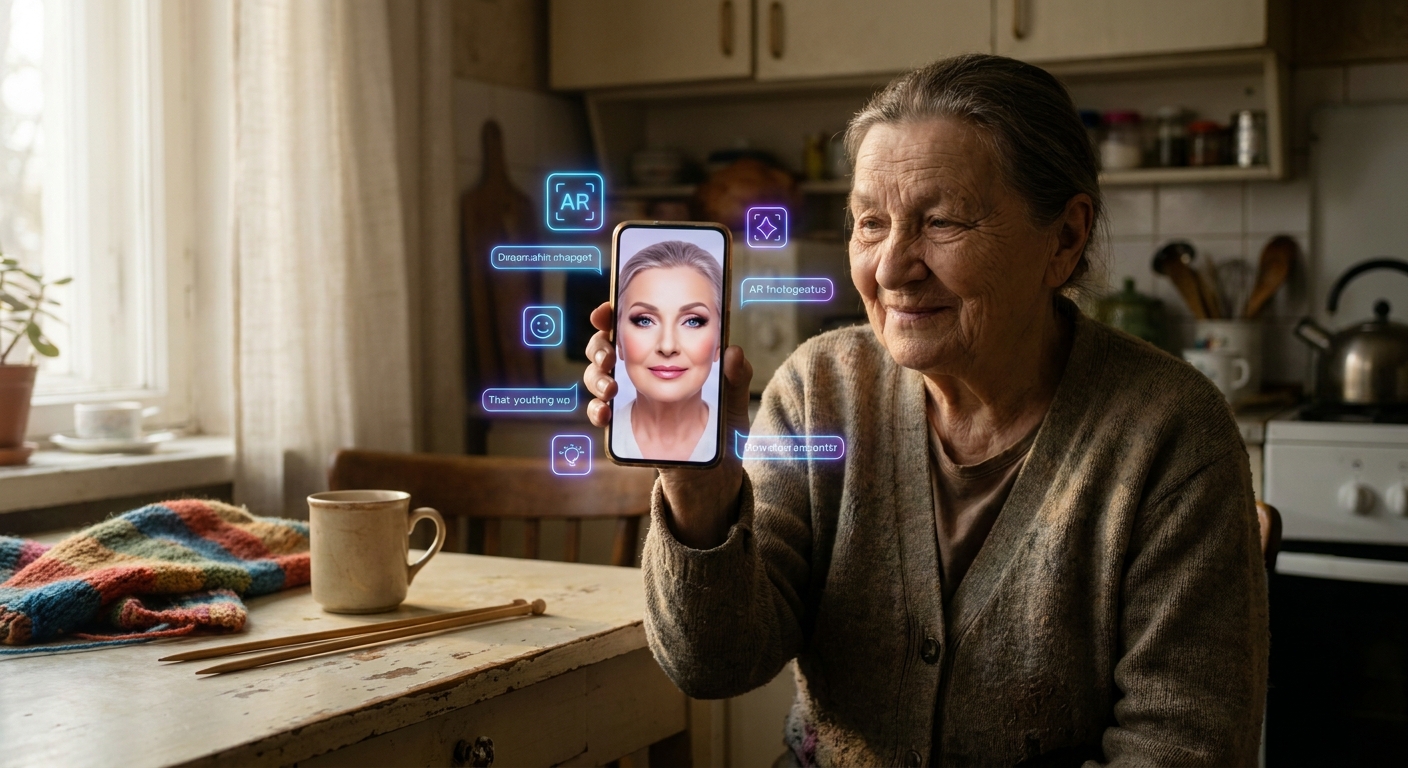
    If your social feeds have started to feel like a parade of impossibly smooth skin, tiny noses, and suspiciously perfect cheekbones, you are not imagining it. A lot of what looks “normal” online now is being quietly polished by AI. That is why this viral grandma AI makeup TikTok video hit such a nerve. An 82-year-old grandma appears on screen, and within seconds an AI beauty filter gives her the full glow-up treatment. Soft skin. Lifted features. Bigger-looking eyes. The result is funny, weird, impressive, and just unsettling enough to make people stop scrolling. The clip works because it lands in that very modern sweet spot where you laugh first, then immediately think, wait, what exactly am I looking at? And honestly, that reaction is useful. It is a small reminder that many of the faces flooding your feed are not faces in the old-fashioned sense. They are edited performances happening live.

    ⚡ In a Hurry? Key Takeaways

    • This viral clip is popular because it shows, very clearly, how powerful AI beauty filters have become.
    • If a face online looks oddly perfect, assume a filter or face-shaping effect may be involved and avoid comparing yourself to it.
    • The real value here is media literacy. Once you know how these effects work, they lose some of their power over your brain.

    Why this clip blew up so fast

    The video is built for the internet’s current mood. People are tired of fake perfection, but they are still fascinated by it. So when an older woman gets transformed into something that looks halfway between a beauty influencer and a game character, the contrast is impossible to ignore.

    Part of the appeal is wholesome. People love seeing grandmothers join in on internet jokes. But the bigger reason this specific clip spread is that it makes AI beauty filters visible in a way they usually are not. On younger creators, the same smoothing and face reshaping can pass by almost unnoticed. On an 82-year-old face, the change is dramatic enough that everyone can see the trick.

    That makes the video both entertaining and revealing. It is basically a magic trick where the camera forgot to hide the wires.

    What the filter is actually doing

    This is not old-school makeup in the normal sense. It is software mapping a face in real time and then changing key features frame by frame.

    Skin smoothing

    The filter reduces wrinkles, pores, shadows, and texture. Real skin has detail. AI beauty tools tend to erase it first.

    Feature reshaping

    Many of these effects subtly lift brows, slim the jaw, narrow the nose, enlarge the eyes, and plump the lips. Some do it so gently you barely notice. Others crank it up until the face starts looking a little doll-like.

    Color correction

    Filters also add warmth, brighten under-eyes, even out skin tone, and create the look of blush, contour, and highlight without any actual makeup brush touching the skin.

    Motion tracking

    The creepy impressive part is that the effect sticks to the face as the person moves. That is why it feels more convincing than a simple photo edit. The app is tracking landmarks like eyes, nose, mouth, and chin, then repainting the face in real time.

    Why it feels funny and uncanny at the same time

    Your brain is good at spotting when something is slightly off. Not fake enough to be a cartoon. Not real enough to be natural. That in-between zone is where a lot of AI beauty content lives.

    With the viral grandma AI makeup TikTok video, the mismatch is extra strong. You are seeing an older person’s natural expressions paired with a filter aesthetic that is usually designed for teenage and twenty-something beauty culture. The result is jarring. It is a bit like hearing your grandma suddenly speak in influencer slang. You understand all the parts, but together they feel surreal.

    That weirdness matters because it helps people notice the manipulation. Usually, filters work best when you do not think about them at all.

    The bigger issue hiding underneath the joke

    This is where the clip stops being just a meme. AI filters are slowly shifting what people think a normal face should look like. Not celebrity faces. Not ad campaign faces. Everyday faces.

    That has consequences. If you spend enough time looking at AI-smoothed skin and algorithm-shaped features, your own reflection can start to feel strangely “wrong,” even when nothing is wrong at all. That is not vanity. That is repetition doing its job.

    And because the edits now happen in video, not just selfies, they can feel more truthful than they are. People still tend to trust moving images more than still ones, even though real-time beauty filters can now rewrite both.

    How to spot an AI beauty filter without needing a tech degree

    You do not need forensic software. A few simple clues help.

    Look at the skin

    If the skin looks uniformly blurred, with almost no texture even in bright light, that is a giveaway.

    Watch the jawline and cheeks

    If the face seems unusually sculpted or seems to hold the exact same flattering shape from every angle, a face-shaping filter may be active.

    Check the eyes and lashes

    Beauty filters often make eyes slightly bigger and lashes darker, even when the person is not wearing much makeup.

    Notice the “too stable” look

    Real faces change a lot with movement, lighting, and expression. Filters try to keep everything looking polished all the time. That can create a strangely locked-in perfection.

    Read the caption or effect label

    Sometimes the simplest answer is right there. TikTok creators often tag the filter, use a beauty effect label, or joke about it openly.

    What to do if this stuff is messing with your head

    The goal is not to become the filter police. It is to protect your own brain a little.

    First, pause before comparing yourself to anyone on screen, especially on short-form video apps. Ask one question. “Is this a person, or a person plus software?” The answer is very often the second one.

    Second, keep at least some part of your feed human. Follow creators who show bare skin, changing light, normal aging, and ordinary faces. It sounds small, but your standards reset based on what you see repeatedly.

    Third, treat viral beauty clips like special effects, not evidence. If an 82-year-old can be turned into a glass-skinned influencer in seconds, then the issue is not your face. It is the tool.

    Should people stop using these filters?

    Not necessarily. Filters can be playful. They can be funny. They can even help people experiment with makeup looks before buying products. The problem starts when entertainment quietly becomes expectation.

    That is the line worth watching. If a filter is clearly a joke, fine. If it is being used to sell a fantasy as everyday reality, that is when people get misled.

    And to be fair, most viewers already know some editing is happening. What they often do not realize is how advanced and automatic it has become. That is why clips like this one are oddly helpful. They show the machine at work in a way people can actually feel.

    At a Glance: Comparison

    Feature/Aspect Details Verdict
    Why it went viral The dramatic before-and-after effect on an 82-year-old face makes AI beauty editing impossible to miss. Funny on the surface, revealing underneath.
    How the effect works Real-time face mapping smooths skin, changes facial proportions, and adds digital makeup and color correction. Very advanced, and increasingly hard to spot at a glance.
    Why it matters Repeated exposure to synthetic beauty can distort what people think normal faces should look like. Worth paying attention to, especially if social media affects your self-image.

    Conclusion

    The best thing about this bizarre little grandma glow-up moment is that it gives people a chance to laugh and learn at the same time. AI filters and beauty tech are quietly rewriting what “normal” looks like, and most of us absorb that without really stopping to think about it. So if this viral grandma AI makeup TikTok video made you do a double take, good. That means your instincts are still working. Once you understand how these effects smooth, sculpt, and polish a face in real time, they become easier to enjoy without taking them personally. And that is the upgrade that matters. Not better fake skin. Better judgment while you scroll. In a week where everyone is a little tired of perfection but still glued to the feed, that is genuinely useful.

  • This ‘NPC Soccer Referee’ Clip Just Became The Internet’s New Favorite ‘Glitch In Real Life’ Fever Dream

    This ‘NPC Soccer Referee’ Clip Just Became The Internet’s New Favorite ‘Glitch In Real Life’ Fever Dream

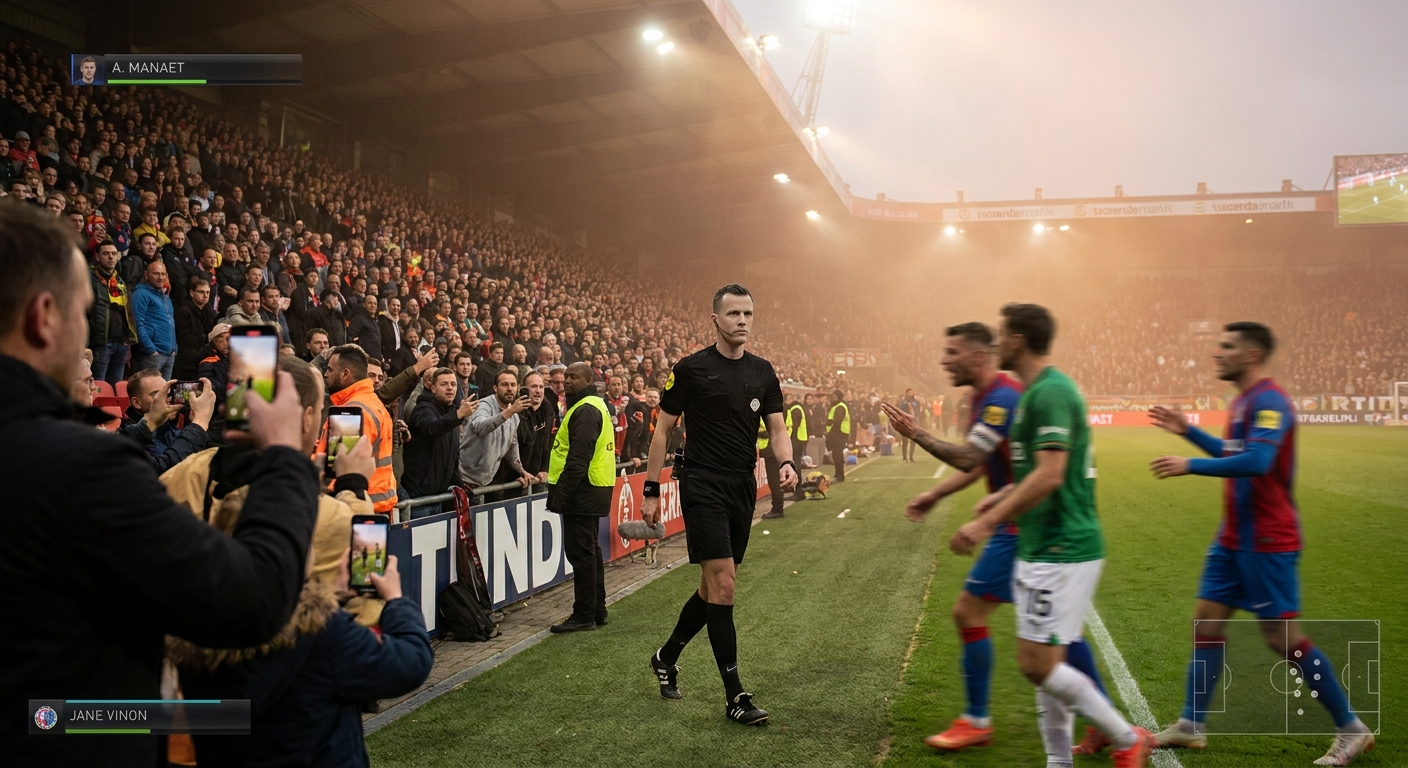
    If your social feed has started to feel like a bad magic show, you are not imagining it. Every other clip seems staged, AI-made, or edited so hard it stops feeling human. That is why this npc soccer referee viral video hit such a nerve. It is weird in a very specific, delightful way. A referee stands pitch-side while players and fans lose their minds around him, yet he seems frozen, staring off into the void like a background character waiting for his next line of code. People instantly called it a “glitch in real life,” and honestly, that is the perfect label. The charm here is not polish. It is the opposite. The clip feels accidental, messy, and bizarre enough that the internet has decided to adopt it as this week’s shared fever dream. For once, people are not just watching a viral clip. They are enjoying one that feels gloriously, unmistakably real.

    ⚡ In a Hurry? Key Takeaways

    • The npc soccer referee viral video is blowing up because it captures a genuinely odd, unscripted moment that feels like a video game bug in real life.
    • If you want to tell real chaos from fake virality, check for raw camera movement, messy reactions, and context that exists beyond a single repost.
    • The value of this clip is simple. It lets people enjoy a viral moment without feeling tricked by AI slop or staged content.

    Why this clip is connecting with so many people

    The internet loves a good nickname, and “NPC referee” is doing a lot of work here. If you have ever played a video game and seen a side character freeze, stare blankly, or repeat the same half-finished motion while everything explodes around them, you already get the joke.

    That is the energy of this clip. The referee is technically present, but mentally he seems to be somewhere between a software update and a loading screen. Meanwhile, the scene around him is all noise, movement, and confusion. That contrast is what makes it funny.

    It also helps that the moment is easy to understand at a glance. You do not need to know the teams. You do not need to follow the sport. You just need eyes and a basic familiarity with how strange people can look when they zone out at exactly the wrong time.

    What actually happened in the viral moment?

    The clip shows a soccer referee near the sideline while a burst of chaos unfolds nearby. Instead of reacting with the urgency you would expect, he appears oddly still and disconnected, giving off the vibe of a non-player character who has not been prompted yet. That split-second mismatch between what is happening and how he is behaving created the entire meme.

    Online, people are replaying it because the human brain loves a mismatch. We expect one thing. We get another. The result feels uncanny and hilarious at the same time.

    And unlike a lot of polished “viral” content, this one does not seem built around a punchline. The humor comes from the moment itself. That matters.

    Why people are so hungry for clips like this right now

    There is a quiet fatigue setting in online. People are tired of being tricked. Tired of wondering if a crowd reaction was planted, if a street interview was scripted, or if the whole thing was made by a prompt and a render farm.

    So when a clip shows up that feels scrappy, imperfect, and a little pointless in the best way, people latch onto it. Not because it is important. Because it feels honest.

    That is the real story behind the npc soccer referee viral video. It is not just funny. It scratches that itch for something unmanufactured.

    How to tell authentic chaos from manufactured virality

    You do not need to become a digital detective. A few simple checks can save you a lot of eye-rolling.

    1. Look for awkward timing

    Real moments often have bad framing, delayed reactions, and confusion that does not resolve neatly. Staged clips tend to land their joke too cleanly.

    2. Watch the people in the background

    Background behavior is hard to fake well. In genuine clips, side characters are often distracted, blocked, or reacting in ways that do not serve the “main character” of the video.

    3. Check whether multiple angles or reposts add context

    If a clip is real and notable, you will often see other uploads, comments from people who were there, or reposts that preserve the same messy details instead of changing the story.

    4. Be wary of content that feels too perfect

    If the camera just happens to catch every beat, every person is mic’d like a TV show, and the resolution looks suspiciously polished for a random street moment, your instincts are probably trying to help you.

    5. Ask the simplest question

    Does this feel like something a person accidentally captured, or something designed to make me react on cue? That gut check is underrated.

    Why the “NPC” label works so well

    The term “NPC” has escaped gaming culture and become shorthand for anyone moving through a scene in a strangely detached, automated way. Sometimes it is overused. Here, though, it fits.

    The referee’s body language looks less like active decision-making and more like somebody waiting for their animation cycle to resume. That is why people are calling it a glitch in real life instead of just a funny sports clip.

    And once the internet agrees on a frame for a joke, it spreads fast. Suddenly it is not just a referee. It is a patch note. A lag spike. A bug report with whistles.

    Why this clip feels safer to enjoy than a lot of viral content

    There is relief in a clip that does not seem to be begging for your outrage, your sympathy, or your wallet. It is not trying to sell a life lesson. It is not trying to bait a culture-war argument. It is just weird.

    That makes it feel communal instead of manipulative. Everyone gets to laugh at the same thing without the nagging sense that they are being farmed for engagement.

    That is increasingly rare online, and probably part of why this one is landing so hard.

    At a Glance: Comparison

    Feature/Aspect Details Verdict
    Why it went viral The referee’s blank stare and stiff behavior clash perfectly with the chaos around him. Funny because the mismatch feels immediate and universal.
    Real vs staged feel The clip looks messy, unplanned, and not built around a neat punchline. Leans authentic, which is a big reason people trust it.
    Viewer takeaway It offers a simple laugh and a reminder to look for context before buying into every viral clip. Worth watching, and useful as a little media-literacy reset.

    Conclusion

    The best part of the npc soccer referee viral video is that it gives people a break from the exhausting game of “is this fake?” It is a genuinely watchable, oddly hilarious moment that feels like a shared internet joke instead of an engagement trap. And that matters right now. When our feeds are stuffed with AI-made nonsense and scripted chaos, a weird little real-seeming clip can feel almost refreshing. Enjoy the laugh, but keep the lesson too. Look for context, watch the background, and trust your gut when something feels too polished. That way you can stay in on the joke without feeling played by it.

  • This Jared Gordon ‘Instagram Troll Sparring Session’ Clip Just Became The Internet’s New Favorite ‘Talk Trash, Get Humbled’ Reality Check

    This Jared Gordon ‘Instagram Troll Sparring Session’ Clip Just Became The Internet’s New Favorite ‘Talk Trash, Get Humbled’ Reality Check

    Your feed is probably full of fake confrontations by now. Scripted pranks. “Street beef” that looks rehearsed. Tough-guy clips cut so heavily you can almost hear the producer yelling off camera. That is why the Jared Gordon sparring Instagram troll video is hitting such a nerve. It feels like the rare internet moment where the fantasy gets tested for real. A loudmouth talks big online, shows up in person, and suddenly has to deal with the giant gap between typing confidence and actual fighting skill. That gap is the whole story here. Not because people want to see someone get hurt, but because people are tired of empty trash talk never meeting reality. Gordon’s clip works because it gives viewers something the internet almost never gives them. Consequences. It also doubles as a blunt reminder that pro fighters are operating on a level most regular people do not fully understand until they are standing right in front of one.

    ⚡ In a Hurry? Key Takeaways

    • The Jared Gordon sparring Instagram troll video went viral because it shows a real-world skill gap, not fake online bravado.
    • If you watch clips like this, focus less on humiliation and more on what they show about training, restraint and respect.
    • The real value is the safety lesson. A trained fighter can control a casual person with shocking ease, which is exactly why trash talk can turn dangerous fast.

    Why this clip caught fire so fast

    Most viral fight content promises a payoff and never delivers one. It is all chest-puffing, edited shouting and people getting held back by friends who somehow always arrive at the perfect second.

    This clip lands differently because there is a simple question at the center of it. What happens when an internet troll actually steps into the gym with a UFC-level fighter?

    That question is catnip online. Everyone has seen somebody talking way too big on social media. Almost nobody sees the next chapter.

    The Jared Gordon sparring Instagram troll video became popular because it scratches that itch without needing extra drama. The setup is easy to understand. One person has elite training. The other has online confidence. Then reality shows up.

    What happened in the sparring session

    From the reaction online, the broad takeaway is not complicated. Jared Gordon looked like exactly what he is. A trained professional with timing, control, pace and awareness. The troll looked like what most untrained people look like when they face real pressure. Off-balance, rushed, tense and quickly out of answers.

    That is what many viewers miss about fighting. It is not just about who hits harder. It is about distance, breathing, composure and knowing what comes next before the other person does.

    Pros are not just better. They are better in layers.

    The part viewers really respond to

    The internet loves the phrase “talk trash, get humbled” because it feels fair. If someone spends days or weeks acting invincible online, people naturally want to see whether that confidence survives contact with reality.

    In this case, the clip seems to deliver that reality check cleanly and quickly. Not with movie-style chaos. Just with the kind of calm control that reminds you how serious combat sports really are.

    Why the skill gap looks so shocking on camera

    A lot of regular viewers think they have a rough idea of what a trained fighter can do. Then they watch a sparring clip like this and realize they were still underestimating it.

    Here is why.

    Training compresses decision-making

    A pro is not only reacting faster. They are seeing more. Openings. Mistakes. Panic. Fatigue. They can often tell what an inexperienced person is about to try before it happens.

    Cardio changes everything

    Untrained people gas out fast. Adrenaline burns hot. A minute of swinging hard can feel like ten. Once the breathing goes, technique usually goes with it.

    Restraint is a skill too

    One reason clips like this can be eye-opening is that the pro often is not going full throttle. They are controlling the room, not emptying the tank. That matters. It shows how much headroom trained athletes have.

    This is not really about bloodlust

    It is easy to assume viewers only like these clips because they want to see someone get smashed. Some of that is true. The internet can be ugly. But that is not the whole picture.

    A lot of people are watching for a simpler reason. They are exhausted by consequence-free arrogance.

    The clip gives them a safe, contained version of a lesson many people wish the internet taught more often. Words are easy. Doing is hard.

    That is also why the Jared Gordon sparring Instagram troll video feels bigger than one gym moment. It taps into a wider frustration with online culture. Everybody performs confidence. Very few people ever have to test it.

    The ethics matter more than the jokes

    This is where it is worth slowing down a bit.

    These clips can be satisfying, sure. But they also raise fair questions. Was it consensual? Was it supervised? Did both people understand the risks? Was the goal to teach a lesson, create content, or embarrass someone?

    Those questions matter because combat sports are not party tricks. A “casual vs pro” setup can go from funny to dangerous in a hurry if the wrong person treats it like a stunt.

    What makes a clip like this easier to defend

    There are a few things viewers should look for before cheering too hard.

    • Protective gear and a controlled gym setting.
    • Clear signs both people agreed to spar.
    • A pro who shows restraint instead of trying to create a knockout reel.
    • Coaches or other adults around to stop things if needed.

    If those things are missing, the clip stops looking like a reality check and starts looking reckless.

    What regular people should actually learn from it

    The simplest lesson is not “ha, got him.” It is “do not confuse internet confidence with real skill.”

    That applies far beyond fighting. Social media has a way of flattening expertise. Everybody looks one comment away from being an authority. Then a real-world test happens, and the gap becomes obvious.

    In this case, the gap is physical, immediate and impossible to spin.

    Three useful takeaways

    First, trained fighters are far more dangerous than they often appear on TV. Broadcasts can make elite athletes look ordinary because they are standing next to other elite athletes.

    Second, calm beats chaos. The person flailing hardest is usually not the one in control.

    Third, respect is not just moral. It is practical. If you mouth off to someone with years of high-level training, you are not entering a debate. You are stepping into a mismatch.

    Why people keep searching for the Jared Gordon sparring Instagram troll video

    People are searching for this clip because it offers something rare. Closure.

    Online arguments usually fade out with no ending. One guy posts. Another guy responds. Followers pick teams. Then everybody moves on to the next outrage.

    This time, there was an ending people could understand instantly.

    No need for a thread. No need for a fact-check war. Just a visible reminder that elite skill is real, and pretending otherwise gets messy fast.

    At a Glance: Comparison

    Feature/Aspect Details Verdict
    Entertainment value The clip delivers a real payoff instead of the usual staged shouting and fake escalation. High, because it feels genuine.
    Lesson about skill It shows how huge the gap is between a trained UFC-caliber athlete and an average person. Very strong reality check.
    Safety and ethics These clips are only defensible when they are supervised, consensual and controlled. Worth watching, but not worth copying casually.

    Conclusion

    The reason this moment resonated is pretty simple. People are tired of fake bravado floating around with no consequences attached. The Jared Gordon sparring Instagram troll video gives viewers a rare answer to a very modern question. What happens when someone who talks big online has to prove it face to face? The answer, as this clip makes clear, is usually a fast lesson in just how far real training separates professionals from everyday people. That helps the community today because it satisfies that curiosity without turning the whole thing into empty bloodsport. It gives people a grounded way to think about respect, consent and the ethics of “casual vs pro” moments while also reminding everyone that elite fighters are operating on a level most of us should be humble about. If nothing else, it is a useful little reality check for the age of comment-section courage.