Author: ehudsegev

  • This TikTok ‘Body Bag In The River’ Clip Just Became The Internet’s New Favorite Real‑Life Plot Twist

    This TikTok ‘Body Bag In The River’ Clip Just Became The Internet’s New Favorite Real‑Life Plot Twist

    You know that weird pit in your stomach when a clip hits your feed, everyone in the comments is yelling “what happened?” and nobody gives a straight answer. That is exactly what happened with the tampa floating body bag tiktok video. People saw a dark, bag-like object drifting in the water at a Tampa park, assumed the worst, and let the internet do what it always does. It filled every gap with panic. If you only caught the viral snippet, it looked like the start of a true-crime documentary. The good news is the ending is a lot less sinister than the comments made it seem. Police did respond, the object was checked, and it was not a human body. That bit of missing context is what turned a creepy-looking clip into a stress spiral for millions of viewers. So let’s clear it up, quickly and plainly.

    ⚡ In a Hurry? Key Takeaways

    • The viral Tampa clip did not show a real body. Police found the floating object was not human remains.
    • If a scary video hits your feed, check for follow-up reporting before sharing reaction posts or worst-case guesses.
    • This is a good reminder that short clips often spread faster than the actual facts, especially on TikTok and repost accounts.

    What happened in the Tampa floating body bag TikTok video?

    The viral clip showed what looked like a body bag floating in the water near the shore at a park in Tampa. That visual alone did most of the work. It was dark, sealed-looking, oddly shaped, and filmed in that shaky “wait, are we really seeing this?” style that makes people stop scrolling.

    From there, the comments took over. Some viewers were convinced it was crime scene footage. Others treated it like an unsolved mystery. Repost accounts helped it spread even faster, often trimming out any useful context and keeping only the most alarming part.

    That is why so many people were left hanging. The clip was built for suspense, but the follow-up never traveled as far as the original post.

    So, was it actually a body?

    No. That is the key point.

    Police checked the floating object after the video started gaining attention. Reports that followed said it was not a human body. In other words, the nightmare scenario people imagined from the clip was not what responders found.

    This is the part that often gets lost online. The scary image spreads first. The boring but useful update comes later, and by then many viewers have already moved on, still thinking they watched something terrible.

    Why the video freaked so many people out

    It hit a very specific internet nerve. The tampa floating body bag tiktok video looked believable enough to trigger panic, but vague enough to invite theories.

    It had the perfect ingredients for virality

    First, there was a disturbing visual. Second, there was no immediate explanation. Third, the comments were full of people guessing instead of confirming. That mix is rocket fuel for TikTok.

    A lot of viral clips work this way. You are not really sharing information. You are sharing a feeling. In this case, the feeling was dread.

    The platform rewards suspense

    Short-form video apps are great at pushing shocking content into huge numbers of feeds. A clip does not need to be explained to perform well. In fact, mystery often helps it spread.

    That is why people kept seeing the same video with captions like “they found this in Tampa” or “this can’t be real,” but very few posts bothered to include the actual outcome.

    What viewers should do before believing the comments

    This is the practical part. If a clip seems serious, especially one involving possible crime, injury, or public danger, do three quick things before accepting the comment section as fact.

    1. Look for a local news follow-up

    Local reporting is usually where the real answer shows up first. A lot of national repost accounts never circle back once the mystery is solved.

    2. Check the date and original source

    Old clips get recycled all the time. Sometimes they resurface months later with fresh captions that make them sound new.

    3. Be careful with reaction content

    Reaction videos are great at amplifying emotion, not always facts. If ten creators are gasping at the same clip, that still does not count as confirmation.

    Why this story matters beyond one creepy TikTok

    On the surface, this was just another viral scare. But it is also a good example of how modern feeds can leave people carrying around stress from something that was never fully explained.

    You do not need to be gullible for this to happen. You just need to see a disturbing clip without context while you are tired, busy, or half-paying attention. That is most of us.

    And once the first impression lands, it sticks. Even after the truth comes out, many people never see it.

    At a Glance: Comparison

    Feature/Aspect Details Verdict
    What the video seemed to show A floating object in Tampa water that looked like a body bag Visually alarming, but not proof of a body
    What police found The object was checked and was not human remains Case closed, despite viral panic
    Best takeaway for viewers Wait for follow-up reporting before assuming the worst Smart habit for any viral mystery clip

    Conclusion

    If this clip left you unsettled, the missing piece is simple. The tampa floating body bag tiktok video looked horrifying, but police confirmed the object was not a real body. That matters, because almost every major platform pushed the scary part into people’s feeds and left out the closure. Getting the full story helps cut through that low-grade dread and replaces rumor with something much more useful, which is the truth. So if you were wondering whether the internet had stumbled onto something awful in a Tampa park, the answer is no. Sometimes the healthiest thing you can do online is wait for the second post, not the first one.

  • This Las Vegas ‘Stop Signs Are A Scam’ Dashcam Clip Just Became The Internet’s New Favorite Villain Origin Story

    This Las Vegas ‘Stop Signs Are A Scam’ Dashcam Clip Just Became The Internet’s New Favorite Villain Origin Story

    You know the feeling. You open your feed for five minutes, hoping for a dumb meme or a dog video, and instead you get dropped into a pile-on halfway through. That is exactly what happened with the Las Vegas stop signs are a scam viral video. By the time most people saw it, the original clip had already been reposted, stitched, captioned, slowed down, and turned into a running joke. The problem is, this one was not harmless. The now-infamous dashcam clip appears to show a driver blasting through a Las Vegas residential area, ignoring stop signs while the caption “stop signs are a scam” flashes like it is all one big bit. Nineteen seconds. That was enough to trigger local outrage, spread far beyond Reddit, and reportedly draw police attention. If you were wondering what actually happened, why people are so angry, and why this clip feels different from normal internet nonsense, here’s the plain-English version.

    ⚡ In a Hurry? Key Takeaways

    • The Las Vegas stop signs are a scam viral video blew up because it appears to show real reckless driving in a neighborhood, not a harmless prank.
    • If you see a clip like this early, check for the original source, local reporting, and whether law enforcement has responded before repeating half-true reposts.
    • The bigger story is about clout chasing, public receipts, and how fast communities can turn a short video into evidence, backlash, and real-world consequences.

    What happened in the video?

    The clip that set this off is short, which is part of why it spread so quickly. It appears to be dashcam footage from a car moving fast through a Las Vegas residential street while stop signs are ignored. The phrase “stop signs are a scam” turns the whole thing into a joke, or at least tries to.

    That joke did not land. Not with locals, and not with people who have ever had to live near speeding traffic.

    Viewers were not just reacting to bad taste. They were reacting to the mix of speed, neighborhood streets, visible traffic controls, and the casual framing of it all. A lot of viral clips are dumb. This one looked dangerous in a way people recognized immediately.

    Why did this clip hit harder than the usual brain-rot post?

    Most viral nonsense burns out because it feels fake, low-stakes, or obviously staged. The Las Vegas stop signs are a scam viral video broke through because it felt like a real person showing off behavior that could get someone badly hurt.

    There are three reasons people latched onto it.

    1. It had a clean villain

    The internet loves a simple story. A short clip. A reckless choice. A caption that sounds smug. You do not need much context for viewers to decide who the bad guy is.

    2. It involved a residential area

    This matters. People are more likely to shrug at reckless driving on an empty highway clip than they are when it seems to happen near homes, intersections, and the kind of streets where kids, pets, cyclists, and pedestrians exist.

    3. The caption did a lot of damage

    Without “stop signs are a scam,” this might have stayed a local anger post. With it, the clip became easy to summarize, easy to mock, and easy to share. It gave the internet a ready-made label.

    How it spread from local outrage to national attention

    This is the part many people miss when they only see the stitched version later.

    Viral clips like this often start in local spaces first. A neighborhood Facebook group. A city subreddit. A local X or TikTok account. That early audience brings something the wider internet does not have. Context.

    Locals know the roads. They know whether the area is busy. They know if the driving shown is unusually reckless or just obnoxious. They also tend to care more because it happened in their backyard.

    Once that local anger starts producing screenshots, reposts, and timeline threads, larger accounts swoop in. Then the clip stops being “a bad thing that happened here” and becomes “the internet’s main character of the day.” That seems to be what happened here. A local clip turned into national outrage, then reportedly into police interest.

    Why people are calling it a “villain origin story”

    Because the internet now loves the moment before the downfall. Not just the scandal itself, but the exact clip where someone seems to volunteer for infamy.

    That is what makes this feel like a villain origin story to so many viewers. The driver is not shown making a mistake and apologizing. The clip is framed like a flex. That changes everything.

    When someone posts or appears in a video that treats risky behavior as content, the audience tends to do two things at once. First, they meme it. Second, they start collecting receipts. Usernames, reposts, deleted captions, earlier clips, comments, local reports. The internet can be chaotic, but it is surprisingly organized when it decides to be mad.

    The bigger issue: clout chasing that stops being funny

    This is why the story matters beyond one person and one clip.

    We are in a stretch of internet culture where people keep pushing the line to get noticed. Louder prank. Bigger stunt. More obvious provocation. Usually the reward is attention. Sometimes it is sponsorships, followers, or just a short burst of fame.

    But the backlash pattern is getting just as predictable.

    If the stunt looks like it could hurt bystanders, people stop treating it as “content” and start treating it like evidence. That is the switch. Once that switch flips, the conversation changes from “Can you believe this idiot?” to “Can someone identify this car?” or “Has anybody sent this to police?”

    That is exactly why this clip struck a nerve. It landed right in the middle of a bigger public mood. People are tired of watching basic safety get traded for views.

    How to tell when the next viral clip is about to become a pile-on

    If you want to spot the pattern early, here are the signs.

    It is short and easy to caption

    Nineteen seconds is perfect for outrage. There is no setup, no nuance, and no breathing room. Just a clean, shareable shock.

    The person seems proud, not embarrassed

    People react much more strongly when the clip feels boastful. A dumb mistake can get sympathy. A dangerous brag usually gets torched.

    There is a built-in phrase people can repeat

    “Stop signs are a scam” is sticky. It is absurd, memorable, and instantly tells people what side they are on. That kind of line helps a clip travel.

    Locals show up fast with context

    When people from the area start adding street details, local concerns, and possible IDs, the story often jumps from viral joke to serious backlash.

    Authorities get tagged early

    Once users begin tagging police departments, city officials, or local news, the clip has crossed into consequence territory.

    What to do before you share a clip like this

    You do not need to become a digital detective, but a little caution helps.

    Look for the earliest version you can find

    Reposts strip out context. Try to find where the clip first appeared and whether the caption changed along the way.

    Check local reporting or official statements

    If the story has moved beyond memes, local reporters or law enforcement often confirm the basic timeline faster than national aggregators do.

    Separate what is visible from what is assumed

    It is fair to describe what the video appears to show. It is less smart to repeat unverified claims about who was driving, what happened next, or what charges may be coming.

    Do not confuse outrage with proof

    The internet is good at spotting patterns. It is also very good at getting details wrong in the first few hours.

    Why communities are using “receipts” more than ever

    One of the most interesting parts of stories like this is how quickly online communities move from reacting to archiving.

    People save mirrors of the clip. They screenshot captions. They compare deleted posts. They preserve comments before accounts go private. That is what people mean when they talk about bringing receipts. Not just opinions, but a trail.

    That shift matters because it changes the power dynamic. For years, rage bait and reckless posts often vanished before any real accountability showed up. Now the audience knows how to document things before they disappear.

    Used carefully, that can help push back on dangerous behavior. Used carelessly, it can also fuel misidentification and mob logic. So yes, receipts matter. But so does restraint.

    At a Glance: Comparison

    Feature/Aspect Details Verdict
    What made it viral A short dashcam clip, reckless-looking driving, and the sticky caption “stop signs are a scam.” Perfect recipe for fast outrage.
    Why people were furious It appeared to happen in a residential area and framed a safety risk like a joke. This felt dangerous, not merely annoying.
    What it says about internet culture Audiences are increasingly willing to turn viral stunts into documented accountability campaigns. Clout can turn into consequences very fast.

    Conclusion

    The reason this story stuck is simple. It taps into the exact tension people are feeling right now. Too many creators and wannabe creators act like attention is worth any risk, while the public is getting faster at pushing back with screenshots, reposts, and local context. By unpacking how a Las Vegas speed run through a residential street, tagged with “stop signs are a scam,” jumped from a local subreddit to national outrage and a police investigation, you have the full picture instead of just the meme scraps. That gives you better language for talking about online clout chasing without sounding preachy or lost. It also helps you spot the pattern early. Short clip. Smug caption. Local anger. Receipts. Then the mainstream pile-on. Once you see that formula, the next villain of the week is a lot easier to recognize before your whole feed catches up.

  • This ‘Parkour Tourist vs Glass Skywalk’ Clip Just Became The Internet’s New Favorite Instant‑Karma Replay

    This ‘Parkour Tourist vs Glass Skywalk’ Clip Just Became The Internet’s New Favorite Instant‑Karma Replay

    Your feed has probably been a mess this week. Heavy headlines. Staged prank clips. Weird AI junk with the same recycled punchline. So when a real, clean, instantly understandable fail shows up, people latch onto it fast. That is exactly what happened with the viral glass skywalk parkour fail video now bouncing across TikTok, X, Instagram, and every group chat that needed a break. The clip is simple. A tourist tries to show off with a little parkour-style move on a glass skywalk, then gets humbled almost immediately. No long setup. No fake reactions. Just one bad idea, one perfect slip, and one replayable ending that scratches the internet’s favorite itch, instant karma. If you want the one clip everyone will be talking about by dinner, this is it. You can watch it in seconds, laugh once, wince twice, and move on with your day fully caught up.

    ⚡ In a Hurry? Key Takeaways

    • The viral glass skywalk parkour fail video is trending because it is short, real-looking, and delivers instant karma in one clean beat.
    • If you just want the version worth sharing, look for the shortest uncut upload instead of scrolling through slowed-down reposts and reaction stitches.
    • It is funny, but it is also a good reminder that tourist attractions and stunt attempts are a bad mix, especially on slick or high-stress surfaces.

    What happens in the clip?

    Spoiler-light version. A tourist on a glass skywalk appears to go for a flashy move instead of simply walking like everyone else. Think show-off energy. A quick hop or parkour-style step. Then, almost instantly, the plan falls apart.

    That fast reversal is the whole magic trick. The setup takes almost no time, and the payoff lands right away. You do not need sound, context, or even subtitles to get it. That is a huge part of why this clip is spreading so hard.

    Why this one blew up when thousands of fail videos do not

    1. It is easy to understand in one second

    The internet loves clips that work with the sound off. This is one of them. You see the location, you see the confidence, then you see the mistake. Done.

    2. It feels unscripted

    People are exhausted by overproduced prank videos and painfully obvious skits. This one feels like a real moment caught at the exact right time. That matters. Viewers can smell fake from a mile away now.

    3. The setting does half the work

    A glass skywalk already makes people tense. Even if you know it is built to hold weight, your brain still treats it like a scene from a disaster movie. Add one person trying to look athletic on top of that, and the tension turns into comedy very fast.

    4. It delivers “instant karma” without needing a villain speech

    The tourist is not giving a monologue. There is no backstory. The clip simply shows someone tempting fate and getting checked by physics. The internet loves that kind of clean cause-and-effect.

    Why glass skywalks mess with people in the first place

    This is the part non-techies usually appreciate. Glass floors are engineered to be safe, but your body does not care. Your eyes say “empty space.” Your legs say “absolutely not.” Even calm people walk differently on transparent platforms.

    That means a glass skywalk is one of the worst possible places to try anything fancy. You are dealing with nerves, slippery surfaces, crowds, and the simple fact that tourist shoes are usually chosen for photos, not grip.

    So yes, the viral glass skywalk parkour fail video is funny. It is also a tiny masterclass in how human brains short-circuit when height, spectacle, and ego all meet in one spot.

    How to find the best version without wasting 20 minutes

    If you search for the viral glass skywalk parkour fail video right now, you will run into the usual mess. Cropped reposts. Reaction videos with a giant face covering half the frame. Slow-motion edits that somehow make a six-second clip feel like homework.

    Here is the easy method:

    Look for the shortest clip first

    The cleanest version is usually the one closest to the original upload. Once a clip gets copied ten times, it picks up captions, zooms, and fake sound effects.

    Avoid “wait for it” reposts

    If a video needs giant text telling you to keep watching, it is probably not the best cut.

    Check comments for the source

    Oddly enough, comment sections are useful here. Someone almost always links the original or at least points out which repost is unedited.

    Is it actually funny, or just mean?

    Fair question. The line between “funny fail” and “grim injury clip” matters. Part of why this one is spreading so widely is that it reads more like a bruised ego moment than a serious accident. People will not replay something cheerful if it suddenly turns stomach-churning.

    That balance matters online. The clips that travel furthest are usually the ones that let people laugh, wince, and move on without feeling awful for sharing them.

    What the internet is really reacting to

    It is not just the fall or slip itself. It is the confidence. The split-second before the mistake. The universal feeling of watching somebody ignore the obvious safe option and then immediately regret it.

    That is why the jokes are writing themselves. You do not need to know the person, the location, or the language. Everyone understands overconfidence meeting consequences.

    Should you share it?

    If your group chat has been buried under bad memes and stressful news, this is exactly the kind of harmless reset clip people actually want. It is short. It is clear. It gives everyone the same reaction at the same time, which is still half the fun of viral internet culture.

    Just maybe skip using it as inspiration for your next vacation video.

    At a Glance: Comparison

    Feature/Aspect Details Verdict
    Why it is viral Fast setup, instant payoff, no explanation needed Perfect shareable clip
    Replay value Short enough to loop, satisfying enough to rewatch Very high
    Safety takeaway Glass walkways and stunt behavior are a terrible combination Laugh, then learn

    Conclusion

    If you were tired of digging through junk just to find the one truly share-worthy moment, this is the shortcut. The viral glass skywalk parkour fail video is the rare clip that earns its hype because it is quick, clear, and weirdly universal. It gives you the laugh, the wince, and the context without demanding a whole afternoon of scrolling. That helps the community today because it turns a fast-moving global viral moment into one spoiler-light briefing you can watch and pass along on a lunch break. Instead of wasting time on endless reposts, you get the one clip people are actually quoting, plus the simple reason it beat out the thousands of other fails uploaded in the last 24 hours.

  • This ‘Mic’d‑Up Caregiver Gym Vlog’ Just Became The Internet’s New Favorite Heart‑Punch Clip

    This ‘Mic’d‑Up Caregiver Gym Vlog’ Just Became The Internet’s New Favorite Heart‑Punch Clip

    Your feed can feel like a junk drawer lately. Half of it is AI slop, the other half is people pretending their lives are one long highlight reel. So when something real slips through, it hits harder than expected. That is exactly why the viral caregiver gym vlog grandma video is spreading so fast. At first glance, it looks like another mic’d-up fitness clip. Same framing. Same routine energy. Same “let’s get to work” vibe. Then you realize there are no dumbbells involved. The grandson is helping his grandmother sit up, lifting her carefully out of bed, brushing her hair, getting her dressed, and carrying her down the stairs. Suddenly the whole internet joke about “the grind” gets flipped on its head. What you are watching is not a performance. It is care. And for a lot of people, that lands right on the sore spot of wondering whether they are doing enough for the people they love.

    ⚡ In a Hurry? Key Takeaways

    • This viral clip took the usual gym-vlog format and turned it into a moving look at what caregiving really takes.
    • If it struck a nerve, use that feeling tonight. Call, visit, help with one task, or ask an older relative what would make this week easier.
    • Caregiving is loving, but it can also be physically and emotionally tough. Kindness matters, and so do rest, safe lifting, and sharing the load when possible.

    Why this video is hitting so many people at once

    The trick of the video is simple. It borrows a format everybody recognizes. The mic’d-up gym vlog usually means hustle, discipline, and maybe a little showing off. You expect protein shakes and heavy reps. Instead, you get a grandson doing the kind of work millions of families do every day, mostly off camera.

    That switch is what makes people stop scrolling. It exposes how narrow our idea of “hard work” has become online. We are used to seeing effort packaged as branding. Here, effort looks like patience, physical strain, time, tenderness, and repetition. Real work. Real stakes.

    It also pokes at something uncomfortable. A lot of us carry low-grade guilt about family. We mean to call more. We mean to visit. We mean to help. Then the week gets busy and the phone stays face down on the table. This clip compresses all of that into a minute or two and quietly asks, what if this is what strength looks like?

    What the viral caregiver gym vlog grandma video gets exactly right

    It reframes caregiving as effort, not background noise

    Care work often gets treated like it is just “helping out.” That phrase hides a lot. Helping someone get out of bed safely is work. Managing medications is work. Making food they can actually eat is work. Repeating the same reassuring answers when memory slips is work. None of it is glamorous, and that is partly why it matters so much.

    The video gives that work the same visual language social media usually reserves for fitness culture. That is smart. It tells viewers, this counts too. Maybe it counts more.

    It turns a trend into a love letter

    Most viral formats are built to be copied. This one feels different because the point is not the format. The point is the relationship. The mic, the angles, the pacing, all of that only works because it serves something honest. You are not watching a bit. You are watching devotion dressed up in a familiar internet costume.

    It avoids the fake-flex problem

    That matters right now. Feeds are full of rented luxury, staged success, and weirdly empty motivation clips. This video cuts through all of it by showing a kind of strength you cannot fake for long. Anyone can pose next to a sports car. Not everyone will show up at 6 a.m. to help their grandmother start her day with dignity.

    Why people are sharing it with captions like “I’m crying” and “this is the real gym”

    Because the metaphor works instantly. The grandson is literally lifting. He is carrying weight. He is doing reps. But the emotional load is the point. The clip says, without saying it, that family care is its own kind of training. It takes endurance. It takes consistency. It takes the willingness to do unglamorous things over and over because someone needs you.

    It also gives people a rare kind of internet relief. Instead of making you feel behind, ugly, broke, or unproductive, it reminds you that your worth is not tied to appearing impressive. That is why it sticks.

    What to do if this clip hit you in the chest

    You do not need to turn your life into a caregiving montage. Start smaller than that. The useful part of a video like this is not crying for 20 seconds in the comments. It is letting it change one thing you do today.

    Three easy ways to show up tonight

    Pick one:

    • Call an older relative and stay on the phone for ten actual minutes.
    • Ask, “What is one annoying thing I can take off your plate this week?”
    • Set a reminder to check in regularly instead of waiting for guilt to do the job.

    If your parent, grandparent, or neighbor is already receiving care, ask the caregiver what would help them, not just the person being cared for. Sometimes the most useful thing is groceries, a ride, an hour off, or handling paperwork.

    One important reality check about caregiving

    It is loving. It is meaningful. It can also be exhausting.

    That is worth saying clearly, because viral clips tend to flatten things. A beautiful video can inspire people, but it can also create pressure. Not everyone can provide hands-on care. Some people live far away. Some are juggling kids, jobs, money stress, or their own health problems. Some relationships are complicated. Some families are doing their best in systems that make elder care brutally hard.

    So if this video stirs guilt, try to turn that into something more useful than self-punishment. Aim for honest presence, not perfection.

    Safety matters too

    If you are helping an older adult move, stand, or use stairs, safe technique matters. Falls are serious. Back injuries are serious too. If a loved one needs regular physical assistance, it may be time to ask a doctor, physical therapist, or home health professional about safer transfer methods, mobility aids, or home changes like rails and ramps.

    Why this is more than just a nice viral moment

    The best internet clips do not just entertain. They update your mental software a little. This one changes the picture of what “the grind” can mean. Not chasing status. Not performing busyness. Not building a fake personal brand. Just doing the daily stuff that keeps another human being safe, clean, calm, and seen.

    That is probably why the viral caregiver gym vlog grandma video is traveling so far outside the usual wholesome-content bubble. It is not only sweet. It is corrective. It reminds people that discipline without love is mostly aesthetics. Love with discipline looks like care.

    At a Glance: Comparison

    Feature/Aspect Details Verdict
    What makes it viral A familiar gym-vlog format gets flipped into a real caregiving routine with his grandmother. Smart, simple, and emotionally devastating in the best way.
    Why viewers connect It taps into family guilt, love, aging, and the feeling that real effort rarely gets applause. Deeply relatable, even if your family situation looks different.
    Takeaway for real life You do not need to go viral. You just need one concrete act of support for someone who needs care. Useful. Grounded. Worth acting on today.

    Conclusion

    This clip is blowing up because it cuts straight through the noise. It takes all that vague pressure about doing more for family and gives it a human face. Better yet, it reframes caregiving as the real high-performance grind. In a week full of fake flexes and rented-luxury nonsense, a simple video about a grandson helping his grandma gets remembered because it shows what strength actually looks like. If you take anything from it, let it be this. The rarest flex online is still ordinary kindness, done consistently. And there is a good chance you can practice that tonight.

  • This Rihanna Grocery-Store Compliment Clip Just Became The Internet’s New Favorite Real-Life Glow-Up Moment

    This Rihanna Grocery-Store Compliment Clip Just Became The Internet’s New Favorite Real-Life Glow-Up Moment

    You know that feeling when your feed is packed with celebrity content and somehow none of it feels human? It is all polished lighting, suspiciously perfect “candid” moments, and brand energy pretending to be real life. That is why this Rihanna afro compliment grocery store viral video hit so hard. In a short, grainy clip, Rihanna stops in a grocery store and compliments a fan’s natural Afro. No campaign. No stage. No big speech. Just a quick, direct moment that made the person on the receiving end light up, and made millions of people watching feel like they had seen something rare online. The reason it is spreading is simple. It feels honest. It also doubles as a tiny lesson in how to praise somebody’s look without sounding fake, invasive, or weird. In a week full of loud headlines and louder timelines, this was the quiet moment people actually wanted to replay.

    ⚡ In a Hurry? Key Takeaways

    • Rihanna’s grocery store compliment went viral because it felt spontaneous, warm, and real in a feed full of staged celebrity clips.
    • If you want to compliment someone well, be specific, brief, and respectful. Focus on what you genuinely noticed.
    • The clip is a good reminder that “viral” does not always mean manufactured. Sometimes the simplest moment has the most value.

    Why this clip landed so differently

    The internet is not short on celebrity moments. It is short on believable ones.

    That is the whole story here. The Rihanna afro compliment grocery store viral video works because it does not look built for engagement. It looks like what it is. A person spotting something beautiful and saying so out loud.

    People are responding to the fan’s reaction, too. You can feel the surprise. You can feel that split second of, “Wait, Rihanna is talking to me?” That kind of joy is hard to fake, which is probably why the clip keeps getting replayed.

    What actually happened in the grocery store video

    In the now widely shared clip, Rihanna is seen in a grocery store when she notices a fan and compliments their natural Afro. The exchange is quick, but that is part of what makes it work. She does not turn it into a performance. She does not make the moment about herself. She simply notices, affirms, and moves on.

    That small detail matters. A lot of celebrity interactions go viral because they are loud or awkward. This one went viral because it was kind.

    Why people are calling it a real-life glow-up moment

    “Glow-up” usually gets used for before-and-after photos, makeup reveals, or style transformations. But this clip flips that idea a bit.

    The glow-up here is emotional. It is what happens when someone gets seen, clearly and positively, exactly as they are. No makeover required.

    That is also why the hair part matters so much. For a lot of people, natural hair is personal. It can carry pride, history, identity, and sometimes years of pressure from beauty standards. So when a huge celebrity compliments a natural Afro in a casual public setting, it lands as more than small talk. It feels like real validation.

    The quiet lesson hidden inside the clip

    Good compliments are specific

    The best compliments do not sound like copy and paste. They focus on something real. In this case, the hair was the point. Not a vague “you look nice.” Something noticed. Something meant.

    Good compliments do not demand a performance back

    This is a big one. A solid compliment does not pressure the other person to entertain you, explain themselves, or give you a whole conversation in return. It gives, then leaves room.

    Good compliments feel human, not strategic

    That is why this clip cuts through so much noise. People can usually tell when a moment is trying too hard. This one was not.

    How to compliment someone without making it weird

    If this clip reminded you that genuine praise still matters, here is the easy version of the playbook.

    1. Keep it simple

    “Your hair looks amazing.” “That color really suits you.” “I love your smile.” Short is good.

    2. Be honest

    Do not force a compliment just to seem nice. People can hear that from a mile away.

    3. Respect personal space

    You can make someone feel seen without stepping into their bubble, touching them, or lingering too long.

    4. Do not turn it into a speech about yourself

    A compliment is not a setup for your life story. Say the nice thing. Let it land.

    5. Read the room

    If someone seems rushed, shy, or uncomfortable, keep moving. Kindness works best when it is light on pressure.

    Why natural hair praise can mean more than people realize

    For many people, compliments about natural hair are not just beauty comments. They can feel like recognition. That is especially true when the praise is not backhanded, overly surprised, or framed like a novelty.

    There is a difference between “Wow, your hair is so crazy” and “Your Afro looks beautiful.” One centers your reaction. The other centers the person.

    That is a big reason this video sparked such a warm response. Viewers picked up on the tone right away.

    Organic hype versus algorithm bait

    We all know the look of a manufactured viral moment now. The camera angle is too clean. The reaction is too perfect. The brand mention somehow lands right in the middle. It feels less like life and more like a meeting note.

    This Rihanna afro compliment grocery store viral video has the opposite energy. It is imperfect. A little messy. Blink-and-you-miss-it. Which is exactly why people trust it.

    That trust is the whole currency of the internet right now. Attention is easy to chase. Believability is harder.

    What viewers are really taking from it

    Most people are not watching this clip because they need celebrity news. They are watching it because it gives them a break from spectacle.

    It says a few useful things at once. You can be iconic and still be present. You can make somebody’s day in under ten seconds. You can compliment someone’s natural features without sounding forced. And yes, the internet will still rally around something gentle when it sees it.

    At a Glance: Comparison

    Feature/Aspect Details Verdict
    Viral appeal A short, candid moment in a grocery store with no obvious branding or production polish. Feels authentic, which is why people kept sharing it.
    Emotional impact The compliment is direct and warm, and the fan’s reaction makes the exchange feel real. High impact from a very small moment.
    Takeaway for everyday life Shows how to compliment someone respectfully and confidently without overdoing it. Surprisingly useful outside celebrity news.

    Conclusion

    Today’s feeds are wall-to-wall with America250 fireworks, World Cup chaos and sponsored ‘moments’ that feel more like ad campaigns than real life. This Rihanna-in-the-aisle video cuts straight through that noise. No glam squad, no stage, just a superstar locking in on a stranger and making them feel seen for how they actually look. That is why the Rihanna afro compliment grocery store viral video keeps traveling. It is not just celebrity content. It is a reminder that the moments people hold onto are often the least polished ones. And if there is a small bit of advice hiding inside all of this, it is worth keeping. Notice people. Say the kind thing. Mean it. That still works online, and even better in real life.

  • This Drake ‘Janice‑Only’ Party Clip Just Became The Internet’s New Favorite What‑Did-I-Just-Watch Flex

    This Drake ‘Janice‑Only’ Party Clip Just Became The Internet’s New Favorite What‑Did-I-Just-Watch Flex

    If you feel slightly annoyed that every week brings a new Drake clip designed to make the rest of us stare at our phones and say, “Wait, what is happening here,” you are not alone. The Drake Janice only party viral video is the latest example. A room full of women named Janice. An apology theme. A setup so oddly specific that it feels fake, brilliant, and deeply internet-brained all at once. That is exactly why it spread. People did not share it because they needed context. They shared it because the clip itself was the context. It sparked the perfect reaction loop. Confusion, laughter, disbelief, then a quick send to the group chat. If you make content, manage social accounts, or just want to understand why this nonsense keeps taking over your feed, this clip is actually useful. It shows how hyper-specific ideas now travel faster than broad, polished ones.

    ⚡ In a Hurry? Key Takeaways

    • The Drake Janice only party viral video blew up because it mixed exclusivity, absurdity, and instant share value in one easy-to-understand clip.
    • If you want posts to spread in 2026, start with a weirdly specific hook people can explain in one sentence.
    • Do not copy stunts blindly. The lesson is the format, not the budget. Specificity works better than random chaos.

    What actually happened with the Drake Janice only party viral video?

    The version racing around social platforms shows what appears to be a Drake-hosted or Drake-themed apology party with an extremely narrow guest rule. Only women named Janice. That one detail did most of the work.

    You do not need a long backstory to get why people stopped scrolling. The premise is the punchline. It sounds made up, yet the footage looks real enough to trigger debate. Was this a joke? A flex? A promo stunt? A private event built to become public content? The uncertainty made it stronger, not weaker.

    That is the first big lesson here. On the internet, a clip does not always need complete clarity. It needs a clean story people can repeat fast.

    Why this weird clip spread so fast

    1. It is hyper-specific in a way your brain cannot ignore

    “Party for women” is boring. “Janice-only apology party” is unforgettable. The smaller and stranger the rule, the more people want to inspect it. It feels custom-built for screenshots and reaction videos.

    That kind of specificity gives people an easy opening line when they share it. “Have you seen the Drake Janice thing?” That matters more than a lot of creators realize.

    2. It creates instant FOMO

    Exclusivity still works, especially fake-seeming exclusivity. Most viewers were never going to be at this party. That is the point. The clip turns exclusion into entertainment.

    People love peeking into a room they were not invited into, especially when the invite rule sounds like a joke from a TV writer’s room.

    3. It looks casual, which makes it feel more real

    Shaky vertical video still wins because it feels like evidence. A polished trailer would have landed as marketing. A messy phone clip lands as discovery.

    That difference is huge. Audiences trust accidental-looking footage more than obviously staged promotion, even when both are carefully planned.

    4. It invites argument without needing facts

    One side sees genius marketing. Another sees a simulation glitch. Someone else thinks it is embarrassing. Perfect. Content that gives people a low-stakes reason to argue almost always gets extra life.

    It is not serious enough to be exhausting, but it is strange enough to provoke a take. That is the sweet spot.

    What this says about internet culture right now

    The Drake Janice only party viral video is less about Drake and more about the current rules of attention.

    We are living in an era where broad appeal is often weaker than narrow absurdity. A clip does not need to reach everyone equally. It needs to hit one emotional button hard enough that viewers become distributors. In this case, the buttons were confusion, envy, and comedy.

    There is also a bigger pattern here. Online culture keeps rewarding moments that feel both exclusive and instantly legible. You should be able to understand the gimmick in three seconds, then spend the next 30 seconds trying to decide whether it is smart or ridiculous.

    That tension is what keeps people watching.

    Why creators and social managers should pay attention

    If you run a brand account, make videos, or post for a living, this clip is a better lesson than another recycled thread about “best posting times.” Timing still matters a little. Format and premise matter more.

    Here is the cheat sheet hidden inside this viral moment.

    Make the concept explainable in one sentence

    If someone cannot summarize your post to a friend immediately, it is harder to spread. “Drake threw a Janice-only apology party” is clumsy as a real-world sentence, but excellent as a viral one.

    Use a rule people can latch onto

    The strongest viral ideas often have a simple rule. Only Janices. Only one color. Only people born on one day. The rule is the handle. It gives the audience something to grab.

    Leave just enough mystery

    You do not need to answer every question. In fact, you probably should not. If the audience can fully process a clip in two seconds, they move on. If they need to argue over whether it is real, smart, dumb, or both, they stay.

    Make it feel like a found moment

    This is where many teams mess up. They copy the idea but overshoot on production. The internet often rewards content that feels captured, not announced.

    How to use this idea without becoming unbearably try-hard

    Not every brand should throw its own Janice-only event. Please do not make your local dentist’s office host a Trevor-only whitening night.

    The smarter move is to borrow the structure, not the surface gimmick.

    Good version

    Pick one oddly specific audience or condition and build a post around it. “People who still have 37 tabs open.” “Only left-handed gamers.” “Everyone who still uses wired earbuds.”

    Bad version

    Throw random words together and hope absurdity does the rest. Specific is not the same as meaningless. The idea still needs an emotional trigger, usually recognition, envy, confusion, or humor.

    Best practice

    Ask one question before posting. Can a stranger explain why this is funny or interesting without reading a long caption? If not, tighten the concept.

    Should you trust everything you see in clips like this?

    Not fully. And that is part of the modern game.

    Viral event clips are often designed with reposting in mind. Even when something happened in real life, the version you see online may be trimmed, framed, or selectively shot to make the idea hit harder. That does not make it fake. It just means it is content first and documentation second.

    For casual viewers, that is a good reminder not to overinvest in the mythology. For creators, it is proof that packaging matters as much as the event itself.

    What regular people can learn from it too

    You do not need a content calendar to get something useful out of this. If you post for fun, the takeaway is simple. The internet responds to point of view more than polish.

    The friends who get the most shares are usually not posting “better” in a technical sense. They are posting things with a clean angle. A strange observation. A very specific joke. A tiny detail everybody recognizes once they see it.

    That is why this clip worked. It was not just a party video. It was a party video with a built-in sentence attached.

    At a Glance: Comparison

    Feature/Aspect Details Verdict
    Core hook A party restricted to women named Janice, framed like an apology or ultra-specific invite-only moment. Excellent viral premise because it is bizarre and easy to repeat.
    Shareability People can send it with almost no explanation beyond “What am I watching?” Very high. Confusion plus humor still travels fast.
    Lesson for creators Use a weirdly specific angle, a simple rule, and footage that feels found rather than overproduced. Worth copying in structure, not in exact stunt.

    Conclusion

    The reason the Drake Janice only party viral video stuck is not complicated. It packages today’s internet habits into one neat little chaos ball. Hyper-personalized stunt. Manufactured exclusivity. Just enough absurdity that people feel compelled to show someone else. That is why this matters beyond celebrity gossip. It gives creators, social managers, and regular posters a very current cheat sheet for what spreads in 2026. Not perfect lighting. Not generic “engagement tips.” A specific idea, a clear hook, and a clip people can explain in one breath. If you understand that, you are already reading the room better than a lot of polished campaigns.

  • This ‘Nihilistic Penguin’ Clip Just Became The Internet’s New Favorite Darkly-Relatable Mood

    This ‘Nihilistic Penguin’ Clip Just Became The Internet’s New Favorite Darkly-Relatable Mood

    You blink, log off for one afternoon, and suddenly everyone is posting the same sad little penguin like it personally understands their inbox, rent, and general spiritual fatigue. If you have seen people calling something the “nihilistic penguin viral video” and felt like you missed the meeting, you are not alone. That is the whole internet now. A clip catches fire, turns into a reaction meme, gets layered with jokes about work, doomscrolling, and modern life, then races on before most normal people even know what happened. This time, the star is a lone penguin trudging away from its colony, looking like it has accepted every possible bad outcome and is simply continuing on anyway. It is funny. It is bleak. It is weirdly comforting. And because it says so much without saying anything at all, people have turned it into the internet’s latest all-purpose mood.

    ⚡ In a Hurry? Key Takeaways

    • The nihilistic penguin viral video is a clip of a lone penguin walking away from its group, now used online as a darkly funny reaction to burnout, dread, and “I’m done” moments.
    • If you want to keep up with fast-moving memes, focus on what the clip means socially, not every single remix.
    • The joke is relatable, but it also says something real about how people are using humor to cope with stress in public.

    What is the nihilistic penguin viral video?

    At its simplest, it is a short clip of a penguin peeling away from the rest of its colony and trudging off alone.

    That would be mildly interesting on its own. The internet, of course, saw something bigger. People started reading human emotion into the walk. Not happiness. Not adventure. More like, “I cannot do this anymore, but I still have to keep moving.”

    That is what made the clip spread. It works as a reaction image, a short video reply, a captioned joke, and a soundtrack-ready meme. You can slap almost any tired, bleak, or absurd thought on top of it and people instantly get the vibe.

    Why this one hit so hard

    It feels specific and universal at the same time

    The best memes do two jobs at once. They feel oddly precise, but also flexible enough for everybody to use. The penguin looks like one very particular emotional state. Total resignation. Yet that can stand in for a hundred modern problems.

    Burned out at work. The penguin.

    Checking the news before coffee. The penguin.

    Opening your banking app. Definitely the penguin.

    It needs almost no explanation

    You do not need lore, fandom knowledge, or a long backstory. Even if you have never seen the original upload, the image tells the story fast. A tiny bird walking away from the group is enough for people to project a whole internal monologue onto it.

    It fits the internet’s current mood

    Right now, a lot of humor online lives in that space between joking and coping. Not full despair. Not cheerful optimism either. More like, “This is ridiculous, so let’s laugh before we cry.”

    The penguin lands right in that zone. It is a reaction meme for people who are exhausted but still online enough to make a joke about it.

    How the meme spread so quickly

    The life cycle of a viral clip is pretty predictable now, even when the specific meme is new.

    Step 1: The clip gets isolated

    Someone posts the original or a cropped version with a simple caption. Usually that first caption does a lot of the work. It gives viewers a frame for what they are looking at.

    Step 2: People turn it into a reaction

    Once users see the emotional angle, they stop sharing the clip as “look at this penguin” and start sharing it as “this is me after my third Zoom call” or “me reading one more push alert.”

    Step 3: It becomes remix fuel

    This is when the meme really takes off. The same clip gets reposted with different music, subtitles, fake dialogue, workplace jokes, climate anxiety jokes, dating jokes, and end-of-week exhaustion jokes.

    Step 4: It escapes its original platform

    That is the sign you are dealing with a real internet moment. A TikTok joke hops to X, Instagram Reels, Reddit, group chats, and screenshots on news sites. By then, lots of people are seeing versions of the meme without knowing where it started.

    Why people keep calling it “nihilistic”

    Because the penguin does not look dramatic. It does not look panicked. It looks finished. Calmly, quietly, cosmically finished.

    That is where the dark humor comes in. “Nihilistic” online often gets used loosely, meaning less “serious philosophy lecture” and more “nothing matters, pass the snacks.” The penguin gives off that exact energy.

    It is not really about true hopelessness. It is about the performance of weary acceptance. A kind of deadpan surrender that feels safer to joke about than to explain sincerely.

    Why a penguin meme can feel weirdly comforting

    This is the part that sounds silly until you think about it for two seconds. A lot of memes catch on because they make people feel less alone in emotions they assume are private or embarrassing.

    The nihilistic penguin viral video says, without words, “Yes, this is absurd. Yes, I am tired too.”

    That is why people bond over it. Not because everyone is actually spiraling, but because humor gives them a low-pressure way to admit they are overwhelmed. A meme becomes a group nod. No big speech needed.

    Do you need to know the original source to get the joke?

    No. And honestly, that is part of why this meme is so successful.

    Some internet trends are built on deep backstory. This one is built on instant recognition. You can come in late, watch one repost, and still understand why people are using it.

    That is good news if you are tired of feeling behind every time a new clip takes over your feed. With fast memes, the emotional translation matters more than the origin story.

    How to keep up with meme culture without living on TikTok

    Look for the “use,” not the “source”

    Ask yourself one question. What are people using this clip to say? Once you know that, you are caught up enough for normal conversation.

    Do not chase every variation

    There will be dozens. Some funnier than others. You do not need a complete archive in your head. Learn the main joke and move on with your life.

    Pay attention to what keeps getting remixed

    When the same clip shows up across platforms in different formats, that usually means it has crossed from niche joke into full meme status.

    Notice the mood behind the meme

    This helps more than memorizing captions. The reason the nihilistic penguin viral video matters is not just that it is popular. It captures a shared feeling. Once you spot that feeling, the whole thing makes sense.

    What this says about the internet right now

    People are hungry for jokes that do not pretend everything is fine. That does not mean the internet has become joyless. If anything, it means users are getting very good at finding comedy inside stress, uncertainty, and low-grade existential static.

    A lonely penguin walking away from the group becomes a stand-in for burnout at work, climate dread, social overload, and simple everyday annoyance because all of those things blur together online. The meme is funny because it compresses a lot of emotion into one image.

    That is also why these clips can feel bigger than they look. They become tiny emotional shortcuts. Little packets of “same.”

    At a Glance: Comparison

    Feature/Aspect Details Verdict
    What the clip shows A lone penguin walking away from its colony, interpreted as weary resignation Instantly readable and meme-ready
    Why it went viral It works for burnout jokes, doom jokes, work posts, and general “I’m done” reactions Highly remixable, which is internet gold
    Why people care It turns a shared stressed-out mood into a simple, funny image Relatable enough to stick beyond one platform

    Conclusion

    If you felt late to this one, do not worry. The whole point of mapping a meme like the nihilistic penguin viral video is that you do not need to camp out on TikTok 24/7 to understand why everyone is suddenly posting the same exhausted bird. A clip of a lone penguin trudging away from its colony has become the internet’s favorite darkly relatable reaction because it fits the moment perfectly. People are remixing it for work burnout, climate dread, social fatigue, and that general 2026 feeling of “I cannot believe we are doing this again.” Once you see the pattern, you are plugged in. More important, you can also see the bigger story. People are not just laughing at a penguin. They are using a tiny bird to tell each other, very quickly and very publicly, that they have seen enough too.

  • This 3‑Second ‘Invisible Wall’ Soccer Glitch Just Became The Internet’s New Favorite Replay Button

    This 3‑Second ‘Invisible Wall’ Soccer Glitch Just Became The Internet’s New Favorite Replay Button

    You know the feeling. You swipe past clip after clip, see one more clean finish into the top corner, and your brain checks out. Most sports highlights are made for people already invested. This one is different. The viral invisible wall soccer own goal video is the kind of three-second sports blooper that works even if you do not know the league, the teams, or the score. A player tries to clear the ball, it ricochets in a way that looks almost fake, and for a split second it feels like the ball smacked into some unseen force before turning into a painfully funny own-goal moment. That tiny bit of chaos is exactly why the internet grabbed it and hit replay. Fast. If your group chat suddenly starts talking about an “invisible wall” in soccer, here is the simple version of what happened, why people cannot stop rewatching it, and what to look for in the best remixes.

    ⚡ In a Hurry? Key Takeaways

    • The viral invisible wall soccer own goal video took off because the bounce looks physically wrong at first glance, which makes it instantly replayable.
    • If you want the joke fast, watch the original once, then the slowed-down replay, then the meme edits. The sequence makes the clip funnier.
    • This is one of those rare viral sports clips that is safe to share widely because you do not need deep sports context to get it.

    What actually happens in the clip

    The basic setup is simple. A defender is under pressure near goal and tries to deal with the ball. Instead of a boring clearance, the touch creates a bizarre rebound that makes the ball seem like it hit an invisible barrier and snapped back into danger.

    That is the whole trick. Your eyes expect one path. The ball takes another. For a moment, your brain refuses to accept it, so you watch again.

    Then again.

    And once replay culture gets hold of a moment like that, it stops being just a soccer mistake and becomes a meme template.

    Why people are calling it the “invisible wall” own goal

    Nobody actually thinks there was a force field on the pitch. The phrase stuck because it describes the feeling of the bounce better than any technical breakdown could. It looks like the ball runs into something that should not be there.

    That matters online. A good viral nickname has to do three things fast. It has to explain the moment, sound funny in a text thread, and make you curious enough to click. “Invisible wall” does all three.

    It also helps that “own goal” is one of the few soccer terms even casual viewers know. Put those together and the clip becomes easy internet shorthand.

    Why this broke the timeline today

    It is short enough to loop forever

    The best viral clips do not ask much from you. This one is over almost before it starts. You can understand the joke in seconds, which makes it perfect for reposts on X, TikTok, Instagram Reels, and group chats.

    It works without sound

    Some sports moments need commentary. This one does not. The visual is the punchline. Silent autoplay actually helps it.

    It turns embarrassment into comedy, not cruelty

    There is a sweet spot with sports bloopers. If a clip feels mean, people back away. If it feels absurd, they pile in. This lands on the absurd side. It is less “look at this loser” and more “how on earth did the universe allow that bounce?”

    It is easy to remix

    The internet loves moments that can be edited into other scenes. The ball hits an “invisible wall,” so now you have instant crossover jokes. Video game shields. Cartoon sound effects. Sci-fi barriers. Fake physics breakdowns. Once editors spot that, the clip grows legs.

    How to watch it so the joke lands

    If you only catch a repost with a dozen captions slapped on top, you might miss why people are obsessed with it. Here is the best order.

    1. Start with the cleanest original upload you can find

    Watch it once at normal speed. No pausing. Let the confusion hit first.

    2. Watch the replay in slow motion

    This is where the “invisible wall” feeling really clicks. You can see the angle, the touch, and the ugly luck of it all.

    3. Then go to the meme edits

    Once you understand the real play, the edits become much funnier. The best ones usually add fake impact noises, superhero shield effects, or mock commentary that treats the rebound like a paranormal event.

    The funniest remix styles making the rounds

    Not every viral clip gets good remixes. This one does, because the visual idea is so clean.

    Video game edit

    These versions add force-field graphics or glitch effects, like the defender accidentally activated a bad game mod.

    Cartoon physics edit

    Think bonk sounds, spring noises, or exaggerated ricochet effects. Low effort, high payoff.

    Fake expert analysis

    Some of the funniest posts break down the bounce like it is a major scientific mystery. That dead-serious tone makes the clip even better.

    Reaction cam stitches

    These are popular because the first-time reaction is half the fun. You can see the exact second someone realizes the ball somehow found the worst possible path.

    Why even non-soccer fans are sharing it

    This is the big reason the clip matters beyond sports media. Most highlight packages are tribal. You care because you support a team, know the player, or follow the tournament. This clip escapes all that.

    It is physical comedy. It is instant confusion followed by instant understanding. It has the same broad appeal as a perfect slip, a weird bounce, or a mascot falling over. You do not need a rulebook for that.

    That is rare, and it is why the viral invisible wall soccer own goal video traveled so fast.

    How to tell if you have found the real origin clip

    Because viral sports moments get reposted fast, the source can get messy. If you want the clean version before it is buried under edits, look for a few signs.

    Check for the widest angle first

    The original or near-original upload usually shows more of the pitch and the buildup before the bounce.

    Be careful with cropped meme accounts

    Those accounts are often great for jokes, but not for context. If the clip starts right at the weird rebound, it is probably a repost.

    Look for scorebug and broadcast graphics

    Those little on-screen details can help identify whether you are seeing the real broadcast clip or a copy of a copy.

    Should you care if you are not a sports person?

    Honestly, yes, a little. Not because this changes soccer history. It does not. But because the internet still runs on shared moments, and this is one of the cleaner, funnier ones. It is harmless, visual, and easy to explain in one sentence.

    That makes it useful social currency. You see it early, send it once, and suddenly you are the person in the chat who found the thing before the algorithm fed it to everyone else.

    At a Glance: Comparison

    Feature/Aspect Details Verdict
    Replay value The odd rebound creates instant confusion, which makes viewers watch multiple times. Extremely high. This is why it went viral.
    Need for sports context You do not need to know the teams, standings, or rules beyond “ball went in the wrong net.” Low barrier to entry. Great for casual viewers.
    Meme potential The “invisible wall” idea lends itself to edits, sound effects, and crossover jokes. Very strong. Likely to stick around for a few news cycles.

    Conclusion

    The reason this clip hit so hard is simple. A perfectly timed invisible wall own-goal style blooper is one of those rare sports moments that makes fans and non-fans laugh for the same reason. It is visual, absurd, and instantly remixable. If you know the origin video, have seen a couple of the funniest edits, and understand why the bounce looked so wrong, you are already ahead of the usual three-day algorithm lag. Sometimes being early on the internet is not about finding something important. It is just about finding the one ridiculous clip everybody will be quoting by tonight.

  • This Security Cam ‘Neighbor From Heaven’ Rescue Just Became The Internet’s New Favorite Faith-In-Humanity Clip

    This Security Cam ‘Neighbor From Heaven’ Rescue Just Became The Internet’s New Favorite Faith-In-Humanity Clip

    Your feed can start to feel like a trash fire after the tenth fight clip, public meltdown, or fake prank. That gets old fast. So when a viral security camera neighbor rescue video suddenly cuts through all that noise, people latch on for a reason. This one has become the internet’s latest feel-good obsession because it shows something rare online. A person helping another person with no performance, no chest-thumping, and no idea the whole thing would end up everywhere. The clip, captured on a home security cam, appears to show a neighbor stepping in during a scary moment and calmly preventing a much worse outcome. That quiet competence is exactly why viewers are calling the rescuer a “neighbor from heaven.” It feels real. It looks unpolished. And maybe best of all, it reminds you that not every viral moment has to come from cruelty, chaos, or somebody trying way too hard to be noticed.

    ⚡ In a Hurry? Key Takeaways

    • This viral security camera neighbor rescue video is blowing up because it shows a simple, genuine act of help instead of another staged or ugly internet moment.
    • If your feed feels exhausting, seek out a few unpolished, real-world clips like this to reset your mood instead of doomscrolling through more outrage.
    • Security cameras can do more than catch porch pirates. They also end up documenting everyday kindness and can be useful evidence in emergencies.

    Why this clip is hitting so hard

    People are tired. Not sleepy tired. Internet tired.

    There is only so much rage-bait, dunking, and staged nonsense you can watch before everything starts to blur together. That is why this rescue clip landed with such force. It feels like the exact opposite of the usual attention game.

    From what viewers are sharing, the scene is pretty simple. A home security camera catches a moment of trouble. Then a neighbor notices, steps in quickly, and helps without hesitation. No dramatic speech. No camera-facing victory lap. Just action.

    That is catnip for the modern internet. Real stakes. Real person. Real decency.

    What happened in the viral security camera neighbor rescue video

    The details vary a little depending on which repost you saw first, which is normal once a clip starts moving fast across TikTok, X, Instagram, and Reddit. But the core story is the same. A security camera recorded a neighbor reacting in the moment and helping someone in apparent danger or distress.

    The rescue itself is what people keep focusing on. Not because it is flashy, but because it is so matter-of-fact. The neighbor does not freeze. They do not stand back. They do not pull out a phone to film. They help.

    That clean simplicity is a big part of why the video feels so shareable. People do not need a long explanation to get it. One look and the point lands.

    Why people are calling the rescuer a “neighbor from heaven”

    The nickname works because it says a lot in a few words. It captures that dream scenario almost everyone has had at some point. If something goes wrong near your home, would anyone notice? Would anyone step in?

    This person did.

    The phrase is also meme-friendly, which matters more than it sounds. The internet loves a fast label. “Main character.” “Hall of fame dad move.” “Neighborhood legend.” “Neighbor from heaven” slides right into that lane, but with warmth instead of snark.

    It gives people a nice shorthand for the kind of person they wish lived next door.

    Why unpolished videos often feel more believable

    No editing tricks, no big setup

    Security camera footage has a built-in honesty to it. The angle is awkward. The sound is rough. The lighting is usually bad. That actually helps.

    When a clip looks too slick, people start wondering what was cropped out or rehearsed. But a grainy porch cam or driveway cam often feels more trustworthy because it was not made for an audience in the first place.

    It catches behavior, not performance

    That is the real magic here. The camera was just there. The person was not acting for it. So viewers feel like they are seeing character, not content.

    That difference matters online now. A lot.

    What this says about internet culture right now

    The runaway success of this video says people are hungry for relief. Not fake positivity. Not corporate “good vibes only” posting. Relief.

    They want proof that everyday people still do decent things when no one is supposed to be watching.

    Creators feel this too. Plenty of them are worn out by having to chase bigger reactions and louder emotions just to stay visible. A clip like this offers a different kind of viral blueprint. You do not always need spectacle. Sometimes all it takes is one human being making the right choice at the right moment.

    What to take from it if you use security cameras at home

    Your camera is not just for crime clips

    Most people buy a doorbell cam or outdoor camera for package theft, break-ins, or basic peace of mind. Fair enough. But moments like this are a reminder that cameras also document context. They can show who helped, when they arrived, and what happened before things got worse.

    Check your settings

    If you have a home camera, make sure motion alerts are on, nighttime recording works, and clips save for long enough to review later. A lot of people install these devices and never really fine-tune them.

    Respect privacy

    One note of common sense. A viral clip may feel heartwarming, but it still involves real people on a real property. If you ever share footage from your own camera, blur private details when possible and think twice before posting anything sensitive.

    How to give yourself the same emotional reset

    You do not need to rebuild your whole media diet overnight. Just stop letting the worst stuff monopolize your attention.

    Try this instead.

    Follow a couple of accounts that post community rescues, local wins, or ordinary acts of kindness. Mute the repeat offenders who only post conflict. And when a clip like this comes along, share that instead of the latest mess.

    That sounds small, but feeds are shaped by tiny decisions. Yours included.

    At a Glance: Comparison

    Feature/Aspect Details Verdict
    Why it went viral A real rescue caught on a security camera feels rare, sincere, and easy to understand in seconds. Strong emotional hook without feeling manipulative.
    Viewer takeaway The clip gives people a break from outrage-heavy feeds and restores a little faith in strangers. A welcome mood reset.
    Tech angle Home security cameras can capture more than suspicious activity. They can preserve important, human moments too. Useful reminder for current and future camera owners.

    Conclusion

    That is really why this viral security camera neighbor rescue video matters. It is not just a nice clip. It is a break in the weather. Today’s feeds are extra heavy on drama and spectacle, and creators are burning out on that energy. A simple, unpolished rescue that blew up overnight gives people a clean emotional reset, a fresh “good neighbor” archetype to pass around, and a reminder that going viral does not have to mean being outrageous or cruel. Sometimes the internet’s favorite person of the day is just the one who saw trouble and helped.

  • This Unscripted ‘Grandma vs AI Voice’ Prank Just Became The Internet’s New Favorite Family Drama Clip

    This Unscripted ‘Grandma vs AI Voice’ Prank Just Became The Internet’s New Favorite Family Drama Clip

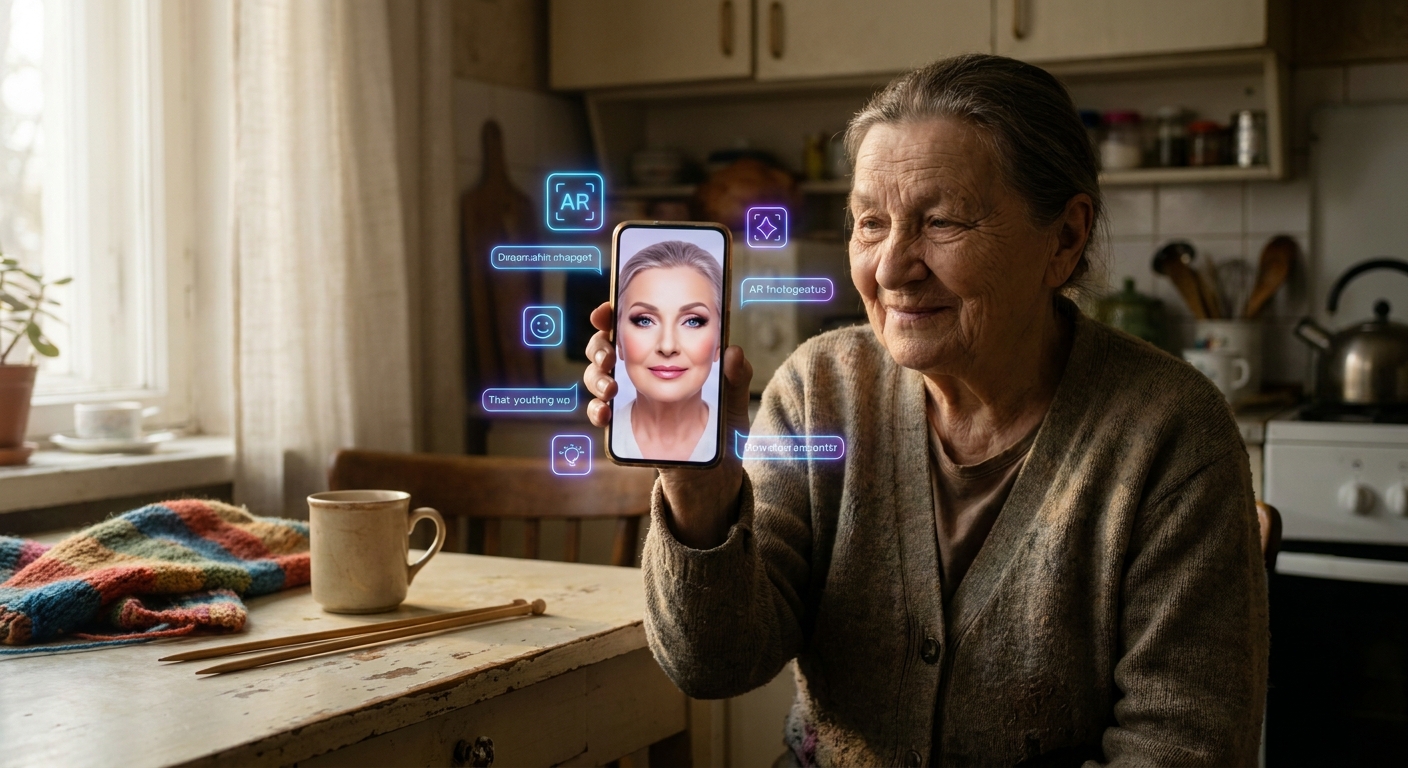
    You know the feeling. Somebody says, “You have to watch this viral clip,” and it turns out to be a painfully staged skit, a stealth ad, or a person very obviously trying to become famous by lunchtime. That’s why this grandma ai voice prank viral video is hitting so hard. It feels real. No perfect lighting. No suspiciously crisp reaction shots. Just a grandkid messing with an AI voice, a fake scam-caller setup, and one grandma who refuses to play the victim. The second the “caller” starts talking, she throws the phone on speaker, fires back with the kind of roast only a grandmother can deliver, and the whole kitchen collapses into pure, breathless laughter. It’s messy, fast, and weirdly comforting. More than anything, it feels like the group chat clip of the day. Not because a platform told you so, but because people are actually sending it to each other.

    ⚡ In a Hurry? Key Takeaways

    • This is the rare viral clip that feels genuinely unscripted, and that’s exactly why people love it.
    • If you watch one thing today, make it this 30-second family AI prank instead of another overproduced “viral” video.
    • It’s funny, but it also shows a real-world reminder that AI voices are now common enough to blur the line between prank and scam.

    Why this clip is everywhere right now

    The setup is simple. A grandkid uses an AI voice to mimic a scam-style caller and points it at grandma, expecting confusion, panic, or at least a slow-burn reaction.

    That is not what happens.

    Grandma hears the voice, clocks the nonsense almost immediately, puts the call on speaker, and starts talking back like she has all day for this foolishness. She doesn’t just survive the prank. She takes it over. That shift is what makes the clip work.

    People are not sharing it because the tech is impressive. They’re sharing it because her reaction is.

    What actually makes it funny

    It’s not polished

    You can feel the room in it. Background noise. People talking over each other. That split-second delay where nobody knows if the joke will land. It has the texture of a real family moment, not something storyboarded for views.

    Grandma becomes the main character fast

    The AI voice is supposed to be the twist. Instead, grandma is the twist. The fake caller becomes her target, and suddenly the whole prank turns into a live roast session.

    Everybody recognizes that laugh

    The best part may be the laughter in the kitchen. Not neat little content-creator chuckles. The real kind. Wheezing. Folding over. Losing it. That’s the universal part. Even if your family is nothing like this one, you know that sound.

    Why it lands so well in 2026

    This is the sweet spot of the moment. AI weirdness meets ordinary people doing ordinary family nonsense.

    For months, maybe years at this point, the big AI conversation has been abstract. Ethics. Jobs. Safety. Regulation. Synthetic media. All important, sure. But clips like this show how the technology is actually landing in real homes. Not as a keynote demo. Not as a startup pitch. As chaos in the kitchen.

    That’s why the grandma ai voice prank viral video feels bigger than a throwaway joke. It’s a tiny snapshot of how people are living with this stuff now. They’re testing it, mocking it, getting surprised by it, and turning it into family entertainment five minutes after dinner.

    The real reason people are sharing it

    It’s a break from the exhausting kind of viral.

    People are tired of content that feels focus-grouped. Tired of pranks where everyone is too camera-ready. Tired of clips that scream, “Please like and subscribe to my emotional authenticity.” This one feels like somebody happened to catch lightning on a phone camera.

    And honestly, that’s rare now.

    It also helps that the clip asks almost nothing from you. No context. No lore. No five-minute setup. You watch. You get it. You laugh. You send it to someone else.

    A small but useful reality check about AI voice tools

    There’s a reason this prank works so well, and it’s not all harmless. AI voices have gotten believable enough that many people now have a split second of doubt when they hear one. That’s funny in a family kitchen. It’s less funny when scammers use the same basic trick.

    So yes, enjoy the clip. But maybe also take it as a nudge.

    Three smart things to do after you laugh

    Set up a family “safe word” or callback plan for urgent phone requests. Remind older relatives not to trust a voice alone, even if it sounds familiar. And if a caller says there’s an emergency and money is needed right now, hang up and call the person back directly.

    That’s the boring advice part. Still worth saying.

    Should you bother watching it?

    Yes. If your attention span is running on fumes and you want one clip that actually earns half a minute, this is a strong pick.

    It has everything people want right now. AI confusion. Family chemistry. A surprise reversal. And zero polished influencer energy.

    That last part matters more than it sounds.

    At a Glance: Comparison

    Feature/Aspect Details Verdict
    Authenticity Looks and sounds like a real family moment, not a polished prank production. Big win
    Comedy factor Grandma flips the prank instantly and turns the fake caller into the punchline. Very shareable
    Bigger takeaway Shows both the funny side of AI voices and the real reason families should stay alert about phone scams. Funny, with a useful edge

    Conclusion

    If you’ve been burned out by fake-seeming viral videos, this one feels like a reset. Today’s clip hits the sweet spot of 2026: AI weirdness meets real human reactions. A grandkid hooks an AI voice up to pretend to be a scam caller, but the grandma instantly flips the script, roasts the “caller” on speaker and the whole kitchen dissolves into that helpless, wheezing laughter everyone recognizes. It’s blowing up because people are exhausted by polished “prank channels” and brand-safe skits; this feels like the kind of chaotic family moment you wish you had on camera. For the community, it’s a quick reset from doomscrolling and a snapshot of how real people are actually living with AI right now, not in think pieces but in messy, funny, slightly unhinged reality. If you only have 30 seconds of attention today, this is the clip that earns it.